
How Do Trust Issues Affect Romantic Relationships?
Gusti Ayu Tita P
26 September 2026
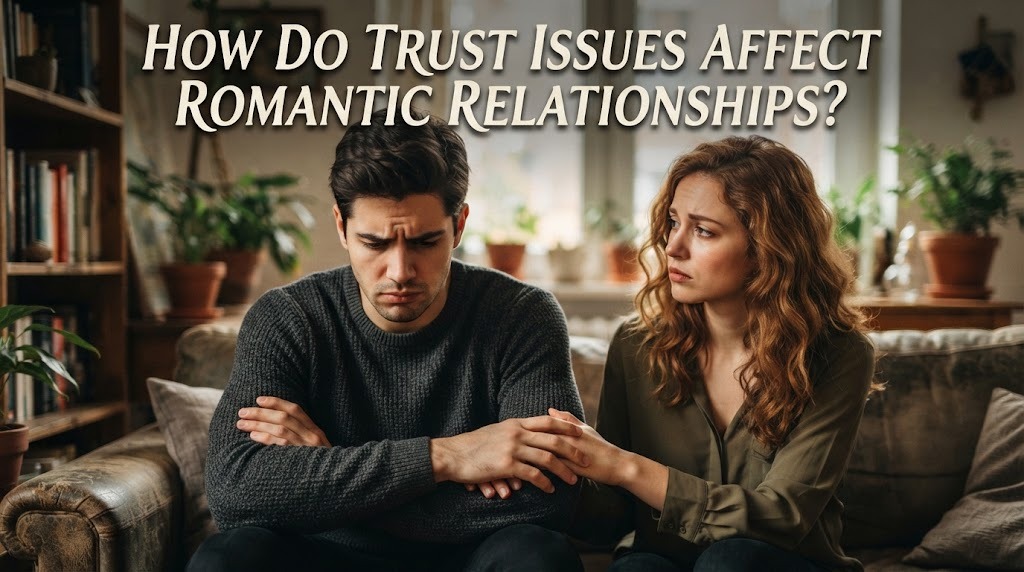
Trust is one of the most important foundations of a healthy romantic relationship. When someone has trust issues, they may struggle to believe their partner's words, intentions, or actions even when there is no clear reason for suspicion. This can create emotional tension and make both partners feel uncertain about the relationship.
Trust issues can affect many parts of a relationship, including communication, emotional intimacy, jealousy, independence, and conflict. Understanding these effects can help couples recognize unhealthy patterns and work toward creating a safer and more supportive relationship.
CREATE CONSTANT SUSPICION
One major effect of trust issues in romantic relationships is increased suspicion. A person may frequently question where their partner is, who they are talking to, or whether they are being honest. Even ordinary situations can sometimes be interpreted as signs that something is wrong.
Constant suspicion can become exhausting for both partners. The person experiencing distrust may feel anxious, while the other partner may feel that their honesty is never accepted. Over time, constant suspicion can weaken the sense of security that a healthy relationship needs.
MAKE COMMUNICATION MORE DIFFICULT
Trust issues can make relationship communication more complicated. Instead of openly discussing concerns, someone may hide their feelings, become defensive, or immediately make accusations. This can prevent both partners from understanding what is actually causing the problem.
Poor communication can also make small misunderstandings become larger conflicts. When partners are afraid to express themselves honestly, emotional distance may develop. Learning to communicate calmly and explain concerns without making unsupported accusations can help create healthier communication.
INCREASE JEALOUSY AND INSECURITY
Trust issues may contribute to increased jealousy and insecurity in a romantic relationship. Someone may feel uncomfortable when their partner spends time with friends, communicates with coworkers, or interacts with other people. These feelings can become stronger when past experiences have created a fear of betrayal.
Jealousy itself does not always mean that a relationship is unhealthy, but excessive jealousy can create significant tension. If someone constantly seeks reassurance or interprets normal interactions negatively, both partners may feel emotionally exhausted. Building self confidence and emotional awareness can help manage these reactions.
REDUCE EMOTIONAL INTIMACY
Healthy relationships usually require people to feel comfortable sharing their thoughts, feelings, fears, and personal experiences. Trust issues can make someone afraid of becoming emotionally vulnerable. They may avoid opening up because they worry that their feelings could be ignored, criticized, or used against them.
When emotional openness decreases, partners may begin to feel disconnected. The relationship can continue on the surface while deeper emotional needs remain unaddressed. Developing emotional intimacy requires patience, respect, and consistent behavior that helps both people feel safe.
CAUSE CONFLICT AND ARGUMENTS
Trust issues can also lead to repeated relationship conflicts. Arguments may begin over small situations when one partner interprets an action as evidence of dishonesty or rejection. If these situations happen frequently, both partners may become frustrated and defensive.
Repeated arguments can create a negative communication cycle. One person becomes suspicious, the other becomes defensive, and the resulting conflict creates even more distrust. Breaking this pattern requires honest communication, active listening, and a willingness to discuss concerns calmly.
LIMIT PERSONAL FREEDOM
When trust is low, one partner may try to gain reassurance by monitoring the other person's activities. This could involve repeatedly asking for updates, checking social media, demanding access to private conversations, or questioning every interaction. Such behavior can make a relationship feel restrictive rather than supportive.
Healthy relationships still allow both people to have personal space and independence. Partners can discuss reasonable boundaries without using control as a replacement for trust. Respecting individual freedom can help create a relationship where both people feel valued and secure.
MAKE REBUILDING TRUST MORE DIFFICULT
Trust issues can create a cycle in which previous fears influence current behavior, and current conflicts then create new reasons for concern. For example, constant suspicion may cause a partner to withdraw emotionally, which can then be interpreted as further evidence that something is wrong. This cycle can make rebuilding trust more challenging.
Breaking the cycle requires consistent effort from both partners. Honest communication, reliable actions, clear boundaries, and patience can gradually create more positive experiences. Trust is generally built through repeated consistency rather than a single conversation or promise.
CONCLUSION
Trust issues can affect romantic relationships by creating suspicion, communication problems, jealousy, emotional distance, conflict, and excessive control. These effects can make it difficult for partners to feel safe, understood, and emotionally connected.
Trust problems do not necessarily mean that a relationship cannot improve. By understanding the source of distrust, communicating openly, respecting boundaries, and focusing on consistent behavior, couples can gradually create greater emotional security and healthier relationship patterns.
Tentang Penulis
Gusti Ayu Tita P
Penulis — Universitas STEKOM
Penulis aktif yang berfokus pada isu-isu akademik, teknologi pendidikan, dan pengembangan sumber daya manusia di lingkungan kampus.



