How Does a Campus Email Make Communication Between Students and Lecturers Easier?
Gusti Ayu Tita P
28 September 2026
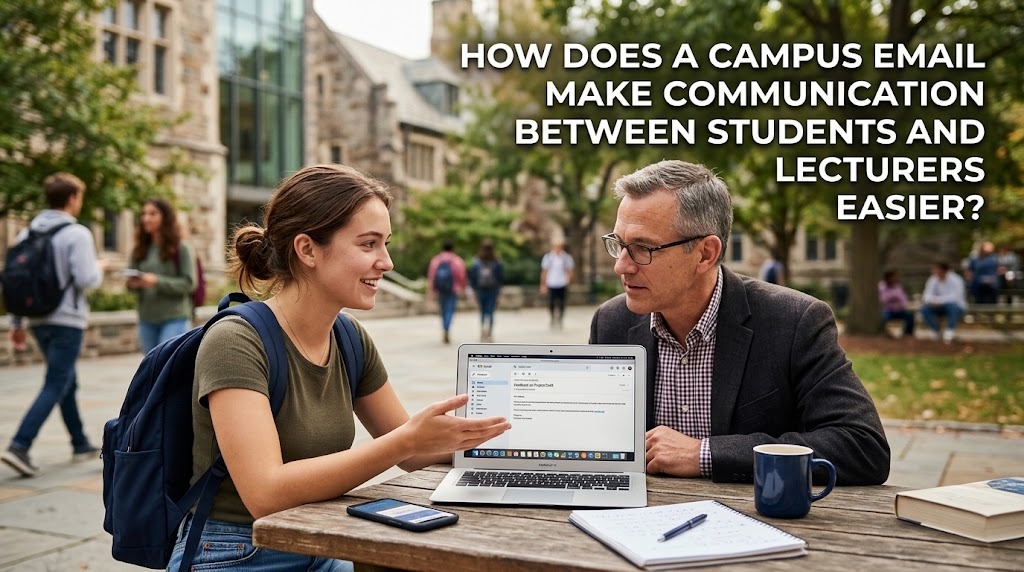
A campus email is an important communication tool that helps students and lecturers exchange information in a more organized way. In college, many academic activities require clear communication, such as asking about assignments, discussing schedules, submitting documents, and receiving announcements. Using a campus email can make these interactions more professional, structured, and reliable. It also helps separate academic communication from personal messages, making important information easier to manage.
SUPPORTING CLEAR ACADEMIC COMMUNICATION
Campus email gives students and lecturers a formal channel for discussing academic matters. Students can use it to ask questions about assignments, lecture materials, schedules, or academic procedures. Lecturers can also use email to provide instructions, announcements, and additional learning materials. Because the communication is written, both sides can review the information again when needed. This reduces the possibility of forgetting important details discussed during communication.
A clear email should contain a specific subject, polite greeting, concise explanation, and appropriate closing. Students should explain their questions directly instead of sending unclear or incomplete messages. Lecturers can then understand the purpose of the message more quickly. This makes academic communication more efficient for both parties.
MAKING QUESTIONS AND RESPONSES MORE ORGANIZED
Students often have questions that cannot always be discussed during class. Through campus email, they can send questions to lecturers without interrupting the learning process. The lecturer can respond when they have time to review the message properly. This creates a more organized communication process between students and lecturers. Email also allows students to keep previous messages as references.
The email history can be useful when a student needs to check an earlier explanation or instruction. For example, students can review information about an assignment deadline or required document. This makes email more practical than relying only on memory. However, students should still respect the lecturer's working hours and avoid sending unnecessary messages repeatedly.
SIMPLIFYING THE EXCHANGE OF ACADEMIC DOCUMENTS
Campus email can make it easier to send academic documents between students and lecturers. Students may need to submit assignments, reports, proposals, or other files depending on campus procedures. Lecturers can also send learning materials, templates, or documents that students need for academic activities. Email keeps these exchanges in one communication channel. This can make document management more systematic.
Before sending an attachment, students should check the file name, format, and content carefully. They should also make sure that the correct document has been attached before pressing send. A short explanation in the email body can help the lecturer understand what the attachment contains. Following these simple steps can prevent avoidable communication problems.
HELPING STUDENTS RECEIVE IMPORTANT INFORMATION
Lecturers and academic staff can use campus email to distribute important academic information. This may include schedule changes, assignment instructions, examination information, meetings, or other announcements. Students can access the messages again whenever they need to confirm the details. This is especially useful when information contains several dates or requirements. Campus email therefore provides a written record of academic communication.
Students should develop the habit of checking their campus email regularly. Important messages can be missed if students only open their inbox occasionally. Organizing messages into folders or using labels can also help students find information more easily. By managing their inbox properly, students can reduce the risk of missing important academic updates.
BUILDING PROFESSIONAL COMMUNICATION HABITS
Communication with lecturers is also an opportunity for students to develop professional communication skills. Students learn how to choose appropriate words, organize information, and communicate respectfully. These habits can become useful when students later communicate with supervisors, clients, coworkers, or other professional contacts. Campus email therefore provides practical experience beyond academic communication.
Students should avoid using overly casual language, unclear abbreviations, or messages without context. A professional email does not need to be complicated, but it should be polite, clear, and relevant. Students should also review their messages before sending them to correct spelling or missing information. These habits can help create a positive impression during academic interactions.
CONCLUSION
A campus email makes communication between students and lecturers easier by providing a formal and organized communication channel. It helps students ask questions, receive announcements, exchange academic documents, and keep important communication records. Regular email use can also teach students professional communication habits that may be useful in their future careers. By writing clear messages, using proper email etiquette, and checking their inbox regularly, students can make academic communication more effective.
Tentang Penulis
Gusti Ayu Tita P
Penulis — Universitas STEKOM
Penulis aktif yang berfokus pada isu-isu akademik, teknologi pendidikan, dan pengembangan sumber daya manusia di lingkungan kampus.