How Does a Campus Email Support Student Collaboration in Academic Activities?
Gusti Ayu Tita P
28 September 2026
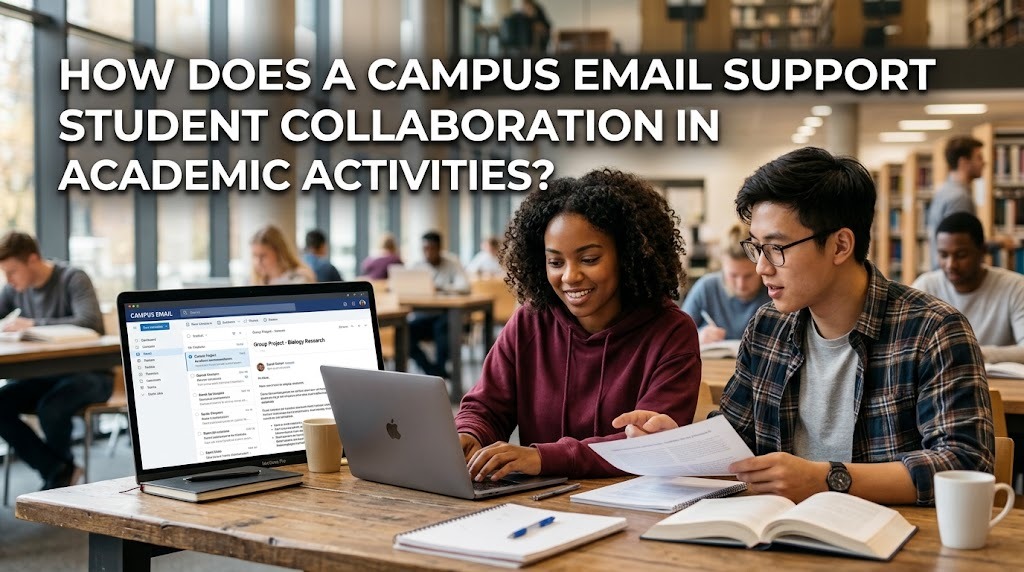
A campus email can be a useful communication tool for students who work together on academic activities. Students often need to exchange information, share documents, discuss assignments, and coordinate schedules with their classmates. Email provides a structured way to send messages and files while keeping communication records available. It can also support collaboration between students and academic staff when necessary. By using campus email effectively, students can make academic teamwork more organized and efficient.
SHARING INFORMATION WITH TEAM MEMBERS
Campus email allows students to share academic information with other members of their group. They can send assignment instructions, meeting details, research materials, and other relevant information through one communication channel. This makes it easier for team members to receive the same information. Students can also refer to previous messages when they need to confirm specific details. As a result, email can help reduce confusion during group activities.
When sharing information, students should make sure that the content is accurate and relevant to the project. Important details such as deadlines, task divisions, and meeting schedules should be written clearly. Using a descriptive subject line can also help team members identify the purpose of the message quickly. These habits make student collaboration more organized.
SENDING AND RECEIVING ACADEMIC DOCUMENTS
Students often need to exchange documents while completing group assignments or academic projects. Campus email can be used to send academic documents, presentations, reports, or other files when email submission is appropriate. Team members can review the files and provide feedback without needing to meet in person. Email can therefore support collaboration even when students are working from different locations.
Students should use clear file names so that team members can easily identify each document. They should also check the file before sending it to ensure that the correct version is attached. If a project involves multiple revisions, students can include version information in the file name. This simple practice can help prevent team members from working with outdated documents.
COORDINATING GROUP ACTIVITIES
Good coordination is important when students work on a group assignment or academic event. Campus email can help students discuss group schedules, divide responsibilities, and confirm important plans. A student can send a message containing the proposed meeting time and ask other members to respond with their availability. This creates a written record that members can review later.
Email can also be useful when a group needs to communicate with a lecturer or academic staff member. Students can explain the purpose of their project and provide relevant information in an organized message. When several students are involved, using appropriate recipients can ensure that everyone who needs the information receives it. This supports more efficient academic coordination.
PROVIDING FEEDBACK AND DISCUSSING IDEAS
Academic collaboration often requires students to exchange ideas and provide constructive feedback. Email gives students a space to explain suggestions in a structured way. They can respond to specific parts of a project and include relevant documents or references when necessary. Written communication also gives team members time to read and consider the information before responding.
Students should maintain a respectful communication style when discussing different opinions. They should focus on the project rather than making personal comments about other team members. If there is a disagreement, students can explain their reasons calmly and consider alternative suggestions. This approach can create a healthier environment for academic teamwork.
KEEPING A RECORD OF COLLABORATION
One useful feature of campus email is that messages can provide a written record of academic collaboration. Students can review previous conversations to remember decisions, instructions, deadlines, or documents shared by team members. This record can be especially useful when a project continues for several weeks. Instead of relying only on memory, students can check earlier messages for accurate information.
Keeping email records can also help students track how a project develops. Important messages can be stored in folders or labeled according to different courses or projects. Students should avoid deleting important conversations until the related academic activity has been completed. Organized records can make teamwork easier to manage.
SUPPORTING RESPONSIBLE TEAMWORK
Campus email can encourage students to practice responsible teamwork. Each member can communicate their progress, respond to relevant messages, and share materials needed for the project. Students should respond within a reasonable time when a message requires their attention. They should also protect shared documents and avoid forwarding academic information to people who are not involved in the activity.
Professional email habits can become valuable skills beyond college. Students who learn to communicate clearly, manage documents, and coordinate tasks through email can apply these abilities during internships and future work. Collaboration through campus email is therefore not only useful for completing academic assignments. It can also help students develop communication and teamwork skills.
CONCLUSION
A campus email can support student collaboration by helping students share information, exchange academic documents, coordinate activities, and discuss project ideas. It also provides a useful written record that team members can review when needed. Clear communication and organized file management can make group work more efficient. Students should maintain respectful communication and use email responsibly throughout their collaboration. With these habits, campus email can become an effective tool for academic collaboration and teamwork.
Tentang Penulis
Gusti Ayu Tita P
Penulis — Universitas STEKOM
Penulis aktif yang berfokus pada isu-isu akademik, teknologi pendidikan, dan pengembangan sumber daya manusia di lingkungan kampus.