
How Does a Golden Child Affect Sibling Relationships?
Gusti Ayu Tita P
23 September 2026
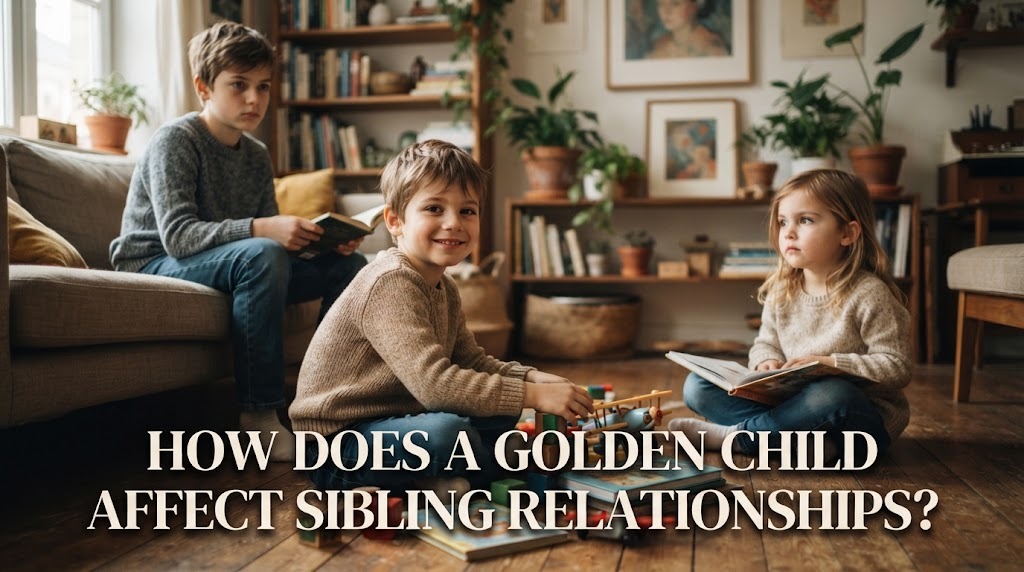
A golden child is an informal term for a child who is often viewed by parents as more successful, responsible, talented, or deserving of praise than their siblings. This role can influence how siblings communicate, compete, and support one another. While receiving positive attention can benefit a child, unequal treatment may create tension within the family. Siblings may feel that they are being compared or that their own achievements are less important. At the same time, the golden child may experience pressure to maintain the image expected by the family.
HOW DOES FAVORITISM AFFECT SIBLING RELATIONSHIPS?
Favoritism can make sibling relationships more complicated when one child consistently receives more attention, praise, trust, or freedom. Other siblings may begin to feel that their parents value them less. These feelings can lead to jealousy, frustration, or disappointment. If parents frequently compare the children, competition may become stronger. Over time, siblings may communicate less openly because they expect to be judged against each other.
The golden child may also notice the difference in treatment and feel uncomfortable about it. They may feel responsible for maintaining their position or worry that their siblings are upset with them. It is important to understand that the golden child does not necessarily choose or create the unequal treatment. Parents are responsible for creating a balanced environment in which each child feels valued. Healthy communication can help siblings understand that the family dynamic is not a competition.
CAN A GOLDEN CHILD CREATE SIBLING COMPETITION?
A golden child can sometimes become the focus of sibling competition, particularly when parents use that child as a standard for comparison. Statements about who gets better grades, behaves better, or achieves more can encourage children to compete for approval. Siblings may begin to measure their own success against the golden child. Instead of celebrating each other's achievements, they may see success as a limited resource. This can weaken trust and cooperation between them.
However, competition does not always occur simply because one child receives more attention. Sibling relationships are influenced by many factors, including personality, age differences, family communication, and individual experiences. Parents can reduce unnecessary competition by recognizing different strengths rather than ranking their children. Each child should have opportunities to succeed in areas that match their own interests and abilities. This approach allows siblings to support one another instead of constantly comparing themselves.
WHY CAN SIBLINGS FEEL JEALOUS OF A GOLDEN CHILD?
Jealousy may develop when siblings believe that the golden child receives privileges that they do not receive. They may see the child getting more praise, greater trust, or more freedom from parents. When this happens repeatedly, siblings may interpret the difference as evidence that they are less valued. The feeling can become stronger when parents openly describe one child as the example that others should follow. Without healthy communication, these emotions may remain unresolved.
Feeling jealous does not automatically mean that a sibling has negative intentions toward the golden child. It can simply indicate that the child wants to feel equally important and appreciated. Parents can respond by listening to the child's concerns rather than immediately dismissing them. They can also explain differences in rules or responsibilities when those differences are based on age or individual needs. Clear and respectful communication can prevent temporary jealousy from becoming long term resentment.
HOW CAN THE GOLDEN CHILD BE AFFECTED?
The golden child can also experience difficulties in their relationship with siblings. They may feel guilty because they receive more positive attention from their parents. Some may worry that their siblings dislike them because of the special treatment. Others may feel pressure to continue achieving so they do not disappoint their parents. These pressures can make it difficult for the child to relax and behave naturally around family members.
The golden child may also become uncomfortable discussing personal failures with siblings. If everyone expects them to be successful, admitting difficulties may feel embarrassing or unsafe. This can create emotional distance even when siblings would actually be willing to provide support. The child needs to understand that they are not responsible for their parents' parenting choices. Building honest relationships with siblings can help reduce the pressure associated with the golden child role.
CAN SIBLING RELATIONSHIPS RECOVER?
Sibling relationships can improve when family members recognize unhealthy patterns and communicate openly. The first step is often to stop treating siblings as competitors. Each person can acknowledge that they have different strengths, experiences, and needs. Parents can help by avoiding comparisons and by giving each child individual attention. This creates an environment where siblings can develop their own identities.
Siblings can also work on their relationship by discussing feelings without assigning blame. The golden child can listen to the experiences of their siblings without becoming defensive. Other siblings can recognize that the golden child may also have experienced pressure from family expectations. Understanding both perspectives can reduce misunderstandings. When communication becomes difficult, family counseling can provide additional support.
HOW CAN PARENTS SUPPORT HEALTHIER SIBLING RELATIONSHIPS?
Parents can begin by avoiding statements that rank children against one another. Praise should focus on individual effort, progress, responsibility, and personal strengths. Parents should also avoid making one child the permanent example for the others. Rules can be different when children have different ages or needs, but the reasons should be explained clearly. This helps children understand that fairness does not always mean identical treatment.
Parents can also create opportunities for siblings to spend positive time together without competition. Shared activities can encourage cooperation and strengthen emotional connections. At the same time, each child should have private time with parents so they feel individually valued. When children know that they do not need to compete for love or attention, sibling relationships can become more supportive. A balanced family environment allows every child to develop confidence without putting another sibling down.
CONCLUSION
A golden child can affect sibling relationships when differences in parental attention, praise, trust, or expectations create feelings of competition or unfairness. Other siblings may experience jealousy or resentment, while the golden child may feel pressure or guilt about their position. These effects are not inevitable because family communication and parenting practices play an important role. Parents can reduce tension by avoiding comparisons and recognizing each child's individual strengths. With honest communication and balanced support, siblings can develop relationships based on understanding and cooperation rather than competition.
Tentang Penulis
Gusti Ayu Tita P
Penulis — Universitas STEKOM
Penulis aktif yang berfokus pada isu-isu akademik, teknologi pendidikan, dan pengembangan sumber daya manusia di lingkungan kampus.



