How Does a New SAR Team Prepare for Emergency Rescue Operations?
Gusti Ayu Tita P
29 September 2026
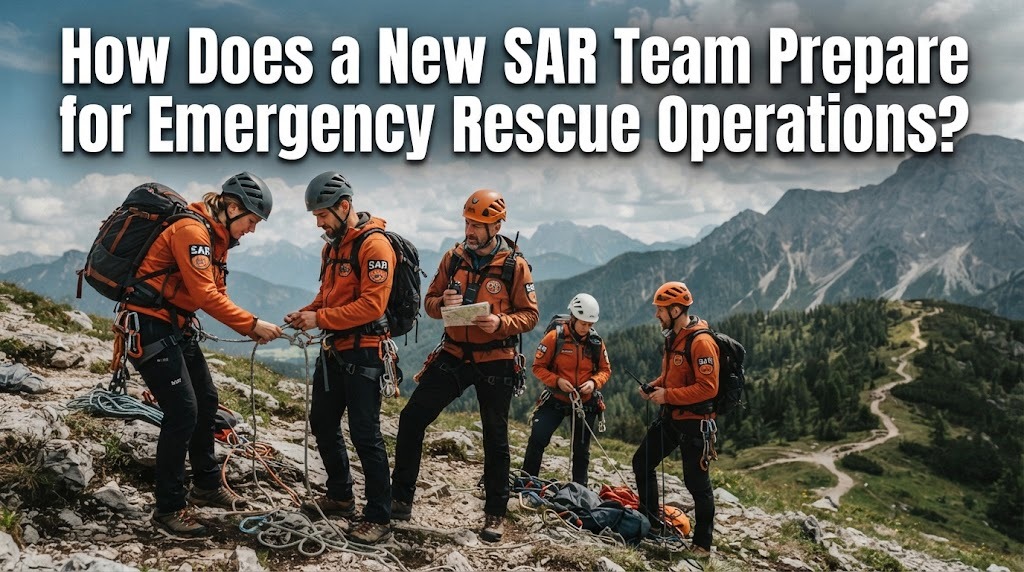
A new SAR team must be well prepared before taking part in emergency rescue operations. Rescue missions can happen in difficult environments, including mountains, forests, rivers, buildings, and disaster areas. Team members need the right knowledge, physical readiness, equipment, and communication skills to respond safely and effectively. Good preparation also helps reduce mistakes when rescuers face stressful and unexpected situations.
For a new team, preparation is not only about learning how to rescue people. It also involves understanding search and rescue procedures, working with other emergency agencies, managing equipment, and protecting the safety of both rescuers and victims. With proper training and clear procedures, a SAR team can become more prepared to handle different emergency situations.
UNDERSTANDING SAR TEAM RESPONSIBILITIES
Before joining an operation, every new SAR member needs to understand their responsibilities. A search and rescue team may be involved in locating missing people, evacuating victims, providing first aid, or supporting disaster response activities. Each member can have a different role depending on their training and operational needs. Understanding these responsibilities helps prevent confusion during a rescue mission.
New members also need to understand the importance of following the team leader's instructions and established rescue procedures. Emergency situations can change quickly, so teamwork and discipline are essential. Members should know who is responsible for communication, navigation, medical support, equipment, and field coordination. Clear responsibilities allow the team to work more efficiently while maintaining safety.
BUILDING PHYSICAL AND MENTAL READINESS
Physical fitness is an important part of SAR training because rescue missions can require long hours of walking, climbing, carrying equipment, or working in difficult conditions. New members should develop endurance, strength, balance, and coordination through regular training. Physical preparation helps rescuers perform their duties without becoming exhausted too quickly. It can also reduce the risk of injuries during demanding operations.
Mental readiness is equally important because emergency rescue situations can involve fear, uncertainty, and pressure. Team members need to remain calm and make decisions based on procedures rather than panic. Stress management training can help rescuers stay focused when conditions become challenging. Strong mental preparation also supports better communication and cooperation among team members.
LEARNING RESCUE SKILLS AND PROCEDURES
New SAR members need practical skills before participating in real emergency missions. Training can include first aid, basic medical response, navigation, evacuation techniques, rope work, water rescue, and other skills based on the team's operational area. Members should practice these skills repeatedly so they can perform them more confidently in the field. Practical exercises are important because emergency situations rarely happen under perfect conditions.
Training should also include search and rescue procedures for different types of emergencies. A team may need different approaches when responding to a missing person, natural disaster, traffic accident, flood, or collapsed structure. Members should learn how to assess risks before entering an area and how to protect victims during evacuation. Regular simulations can help the team understand how to apply procedures under realistic pressure.
PREPARING SAR EQUIPMENT
Proper equipment is essential for safe and effective emergency rescue operations. Before deployment, the team should inspect communication devices, medical supplies, protective equipment, navigation tools, ropes, lighting equipment, and other operational gear. Each item should be checked to make sure it is available and functioning properly. Equipment preparation can prevent avoidable problems during a rescue mission.
New team members should also know how to use and maintain their assigned equipment. Carrying equipment without understanding its function can create additional risks in the field. A clear SAR equipment checklist can help the team identify missing, damaged, or unsuitable equipment before departure. After each operation or training session, equipment should also be cleaned, inspected, and stored correctly.
DEVELOPING COMMUNICATION AND TEAMWORK
Effective communication is one of the most important elements of a successful rescue operation. SAR members need to communicate information about locations, hazards, victims, weather conditions, and operational changes clearly and quickly. Emergency communication should be simple and accurate to reduce misunderstandings. Radio procedures and communication protocols should therefore be practiced during training.
Teamwork is also necessary because rescue operations usually involve several people with different responsibilities. Members must trust their teammates while still following established procedures and the direction of the team leader. Regular team exercises can improve coordination and help members understand each other's roles. Good teamwork allows the SAR team to respond more systematically when facing a complex emergency.
PRACTICING THROUGH SIMULATIONS AND FIELD TRAINING
Simulation exercises allow new SAR teams to practice their skills without exposing victims to real emergency risks. A simulation can recreate situations such as a missing person search, flood response, building evacuation, or disaster rescue. Team members can practice communication, navigation, medical assistance, and evacuation in a controlled environment. These exercises also help leaders identify weaknesses that need further training.
Field training can provide additional experience because real environments are often unpredictable. Weather, terrain, visibility, and access to the location can affect how a rescue operation is conducted. After every exercise, the team should conduct an evaluation to discuss what worked and what needs improvement. Continuous training and evaluation help new SAR members become more prepared for future operations.
COORDINATING BEFORE AN EMERGENCY OPERATION
Preparation does not stop with individual training because SAR teams often work with other emergency organizations. Depending on the situation, coordination may involve local authorities, medical teams, firefighters, police, disaster management agencies, volunteers, or other rescue groups. Clear coordination helps establish responsibilities and prevents different teams from duplicating the same task. It also makes the flow of information more organized during an emergency.
Before deployment, the team should review important information such as the location, weather, terrain, estimated number of victims, known hazards, available access routes, and required equipment. A short pre-operation briefing can ensure that all members understand the mission and safety procedures. The team should also prepare contingency plans in case conditions change. Careful coordination gives new SAR teams a clearer structure before they enter a potentially dangerous environment.
CONCLUSION
Preparing a new SAR team for emergency rescue operations requires more than physical strength. Members need rescue skills, mental readiness, communication abilities, teamwork, equipment knowledge, and operational discipline. Regular simulations and field training allow them to practice these skills before facing real emergencies. Proper preparation also helps the team recognize risks and respond according to established procedures.
A well-prepared SAR team can work more systematically when dealing with difficult situations. Continuous training, equipment checks, clear communication, and coordination with other emergency organizations should remain part of the team's routine. By building these capabilities consistently, new rescuers can improve their readiness to support victims and carry out rescue missions as safely as possible.
Tentang Penulis
Gusti Ayu Tita P
Penulis — Universitas STEKOM
Penulis aktif yang berfokus pada isu-isu akademik, teknologi pendidikan, dan pengembangan sumber daya manusia di lingkungan kampus.