How Does Allowance Affect Student Lifestyle?
Gusti Ayu Tita P
29 September 2026
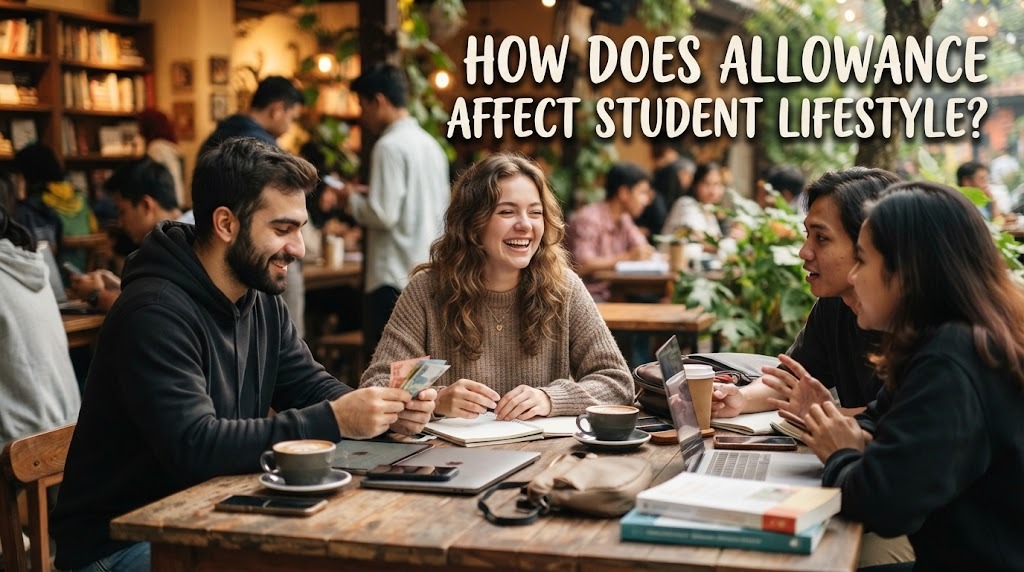
Allowance can have a direct influence on a student's daily spending habits. Students may use their allowance to pay for meals, transportation, school supplies, internet access, and other personal needs. The amount of money available can affect how often they spend and what products or services they choose. Students with a clear spending plan may become more careful when using their allowance. In contrast, spending without planning can make money run out before the end of the period.
AFFECTS FOOD AND ENTERTAINMENT CHOICES
Allowance can also influence how students choose food and entertainment. Students with more spending flexibility may have more opportunities to eat outside, buy snacks, visit entertainment places, or participate in activities with friends. However, frequent spending on these activities can reduce the amount available for other needs. Students can still enjoy social activities by setting reasonable limits. This helps them balance entertainment with essential expenses.
SHAPES SOCIAL ACTIVITIES
A student's allowance may influence their participation in social activities. Meeting friends, joining events, visiting places, or contributing to group activities can sometimes require money. When students have limited allowance, they may need to choose activities that fit their budget. This can encourage them to find affordable ways to spend time with friends. Healthy social relationships do not always require expensive activities.
SUPPORTS EDUCATIONAL NEEDS
Allowance can help students meet various educational needs. Money may be used for books, stationery, transportation, internet packages, printing assignments, or other learning materials. When students manage their allowance carefully, they can prioritize these expenses before spending money on less important things. Having enough money for educational needs can make daily student activities more manageable. Therefore, allowance can play a practical role in supporting academic activities.
INFLUENCES SAVING AND FINANCIAL HABITS
The way students receive and use their allowance can influence their financial habits. Students who regularly save part of their allowance can develop a habit of preparing for future needs. They may also become more aware of budgeting, spending limits, and financial priorities. On the other hand, spending all available money without planning can make it harder to develop consistent saving habits. Learning to manage allowance can therefore provide practical experience with personal finance.
AFFECTS PERSONAL INDEPENDENCE
Managing allowance can also support a student's sense of personal independence. Students have opportunities to make their own decisions about how to use a limited amount of money. They can learn from their spending choices and understand the consequences of poor financial planning. This experience can gradually prepare them for larger financial responsibilities in adulthood. Good allowance management is therefore not only about saving money but also about learning to make responsible everyday decisions.
CONCLUSION
Allowance can affect many parts of student lifestyle, including daily spending, food choices, entertainment, social activities, education, and saving habits. The amount of money available can influence what students can afford, but their financial decisions also depend on how they manage it. Careful planning can help students balance essential needs with personal and social activities. Learning to manage allowance can also develop financial awareness and independence. With responsible habits, students can use their allowance to support a balanced and practical lifestyle.
Tentang Penulis
Gusti Ayu Tita P
Penulis — Universitas STEKOM
Penulis aktif yang berfokus pada isu-isu akademik, teknologi pendidikan, dan pengembangan sumber daya manusia di lingkungan kampus.