
How Does Being a Golden Child Affect Parent Child Relationships?
Gusti Ayu Tita P
23 September 2026
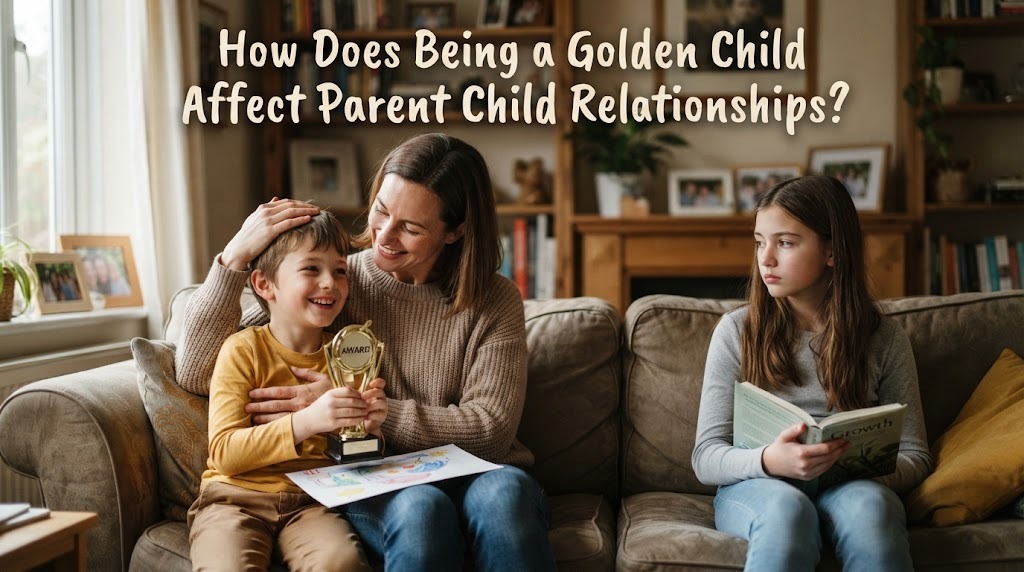
Being a golden child means a child is often viewed by parents as the most successful, responsible, obedient, or favored child in the family. This role may seem positive because the child receives praise, trust, and attention. However, being treated as the golden child can also create pressure and affect the relationship between parents and children. The child may feel that love and approval depend on achievements or good behavior. Over time, this can make the parent child relationship more complicated.
CREATES PRESSURE TO MEET PARENTAL EXPECTATIONS
A golden child may feel pressure to maintain the image that parents have created for them. Parents may expect the child to achieve high grades, behave perfectly, make responsible decisions, or succeed in their career. Because the child is frequently praised for these qualities, they may become afraid of disappointing their parents. Even normal mistakes can feel like serious failures.
This pressure can make communication less open between parents and children. Instead of sharing problems honestly, the child may hide difficulties because they do not want to appear unsuccessful. Parents may also unintentionally continue increasing their expectations when the child repeatedly meets them. As a result, the relationship can become focused more on performance than emotional connection.
MAKES LOVE AND APPROVAL FEEL CONDITIONAL
One important effect of the golden child role is the possibility of developing a belief that parental approval must be earned. If praise is mostly given when the child performs well or behaves according to expectations, the child may connect achievement with being loved. This does not necessarily mean that the parents do not love their child. However, the way affection and approval are expressed can influence how the child understands the relationship.
As the child grows older, this belief may affect their decisions and interactions with parents. They may continue trying to please their parents even when their personal goals are different. They can also feel guilty when choosing a different career, lifestyle, or relationship. This may create emotional distance because the child does not feel completely free to express their authentic needs.
CAN REDUCE HONEST COMMUNICATION
Golden children may appear confident and successful, but they can still have difficulty talking about their struggles. Parents may assume that the child is doing well because they have always been responsible or successful. The child may then feel that there is little room to admit fear, sadness, failure, or confusion. This can gradually reduce honest communication within the family.
Parents can unintentionally contribute to this problem by focusing heavily on achievements. Asking about grades, work, or accomplishments is not necessarily harmful, but children also need opportunities to discuss their emotions. When emotional conversations are limited, the parent child relationship may become more formal or achievement-focused. Open communication is important for creating trust and emotional safety.
AFFECTS THE CHILD'S SENSE OF IDENTITY
The golden child role can become an important part of how a child sees themselves. They may begin to identify as the smart child, responsible child, successful child, or child who never causes problems. While these qualities can be positive, relying too heavily on one identity can make change difficult. The child may struggle when their interests, abilities, or priorities change.
This can become especially noticeable during adolescence and adulthood. A person may want to choose a different career, establish personal boundaries, or make decisions that do not match family expectations. If parents strongly identify the child with their previous role, disagreements can occur. A healthier relationship allows the child to develop an identity that is not based entirely on parental approval.
CAN CREATE EMOTIONAL DISTANCE IN ADULTHOOD
The effects of being a golden child can continue after the child becomes an adult. An adult child may still feel responsible for making their parents proud or maintaining family expectations. They may avoid difficult conversations because they fear conflict or disappointment. Over time, avoiding these conversations can create emotional distance.
Parents may also need time to adjust when their adult child becomes more independent. Healthy parent child relationships require both sides to recognize that adulthood brings new responsibilities, opinions, and boundaries. The golden child does not have to remain in the same role forever. A relationship can become healthier when parents and adult children communicate with greater honesty and respect.
MAY MAKE PARENTAL BOUNDARIES MORE DIFFICULT
Golden children sometimes receive significant trust or responsibility within the family. In some situations, this can lead parents to become highly involved in the child's decisions. Parents may feel entitled to give advice because they believe they know what is best for the child. The child may have difficulty establishing boundaries because saying no can feel like rejecting their parents.
Healthy boundaries help both parents and children maintain a respectful relationship. An adult child can appreciate parental advice without being required to follow every suggestion. Parents can also support their child's independence without interpreting different choices as rejection. Learning to respect boundaries can reduce tension and strengthen the relationship.
HOW PARENTS CAN BUILD A HEALTHIER RELATIONSHIP
Parents can improve the relationship by separating love from achievement. Children need to know that making mistakes does not make them less valuable to their family. Parents can praise effort, personal growth, kindness, and honesty rather than focusing only on results. They can also encourage children to express opinions and emotions without fear of criticism.
It is also important for parents to recognize that every child has different strengths and needs. Avoiding comparisons between siblings can reduce competition and resentment within the family. Parents can listen to their child's goals even when those goals differ from their own expectations. These changes can help the child feel valued as a person rather than only for what they accomplish.
CONCLUSION
Being a golden child can have both positive and difficult effects on parent child relationships. Praise, trust, and encouragement can support a child's development, but excessive expectations may create pressure, conditional approval, communication problems, and difficulties with independence. The impact depends on how parents express expectations and how the child experiences their role in the family. A healthy relationship should allow children to make mistakes, express emotions, establish boundaries, and develop their own identity. Open communication, unconditional support, and respect for independence can help create a stronger relationship between parents and children.
Tentang Penulis
Gusti Ayu Tita P
Penulis — Universitas STEKOM
Penulis aktif yang berfokus pada isu-isu akademik, teknologi pendidikan, dan pengembangan sumber daya manusia di lingkungan kampus.



