How Does FIVB Develop Volleyball In Different Countries?
Gusti Ayu Tita P
29 September 2026
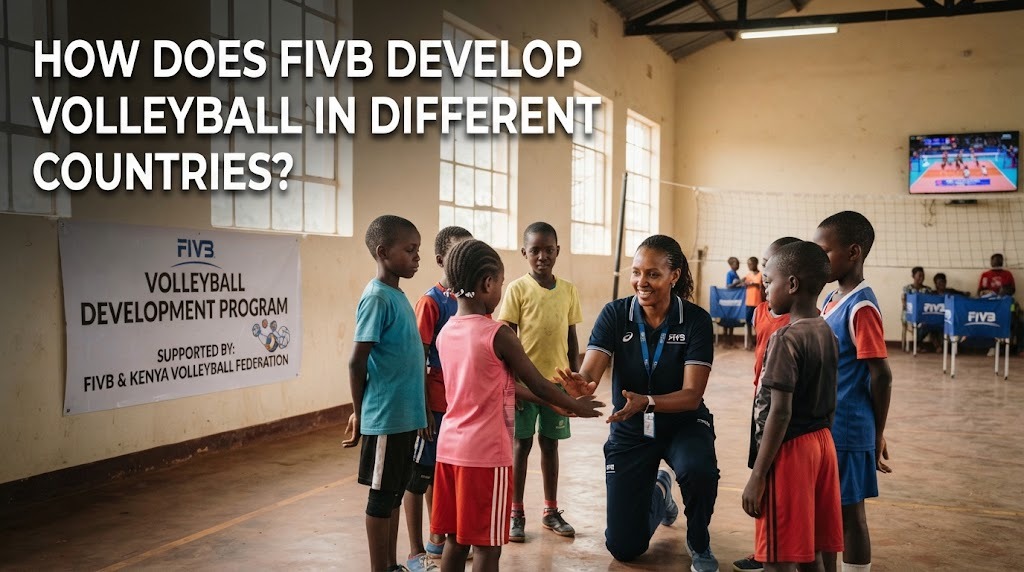
Volleyball is played in many countries with different levels of resources, facilities, coaching, and competitive experience. The Fédération Internationale de Volleyball or FIVB helps reduce these differences by supporting National Federations and developing volleyball systems around the world. Its development programmes focus on athletes, coaches, equipment, technical knowledge, and national teams. Through these efforts, FIVB helps countries build stronger and more sustainable volleyball programmes.
FIVB does not use exactly the same approach for every country. Support can be based on the needs, goals, and development level of each National Federation. This allows countries to receive assistance that is more suitable for their circumstances. Volleyball development can therefore take different forms while remaining connected to the global FIVB system.
SUPPORTING NATIONAL FEDERATIONS
National Federations are important partners in developing volleyball because they manage the sport within their countries. FIVB works with these organizations to identify development needs and create programmes that can improve their national volleyball systems. The FIVB Volleyball Empowerment programme is one of its main tools for providing this support. It is designed to help National Federations and national teams reach their potential.
FIVB currently works with 222 National Federations through its global volleyball structure. National Federations can apply for different types of assistance depending on their development plans. This approach allows support to reach countries with different priorities and challenges. It also encourages National Federations to take an active role in planning their own volleyball development.
PROVIDING COACHING SUPPORT
One of the most important ways FIVB develops volleyball is by improving the quality of coaching. Coaches have a major role in teaching technical skills, tactics, physical preparation, and team organization. Through Volleyball Empowerment, National Federations can apply for coaching support for their national teams. The support can last for three, six, or twelve months depending on the team's level and development goals.
FIVB can also provide high-performance coaches and other technical experts to selected National Federations. These experts work with national teams and local volleyball organizations to improve performance and develop new talent. The aim is not only to improve a team for one competition but also to strengthen the country's volleyball system. Better coaching knowledge can help athletes continue developing after the support period ends.
PROVIDING VOLLEYBALL EQUIPMENT
Good equipment is necessary for athletes to train and compete effectively. However, some countries may have limited access to suitable volleyball equipment. FIVB's application-based support allows National Federations to request items such as volleyballs, beach volleyballs, volleyball floors, nets, and net systems. This can help create better conditions for training and competition.
Equipment support can also help National Federations expand their development programmes. Better training equipment gives athletes more opportunities to practise technical skills in appropriate conditions. It can also support youth and grassroots activities. In this way, equipment becomes part of a broader effort to strengthen volleyball from basic development to national-team level.
TRANSFERRING TECHNICAL KNOWLEDGE
FIVB also helps countries by sharing technical knowledge and expertise. Its knowledge transfer programme is designed to improve areas such as national team coaching, referee development, sports management, and federation administration. Experts can conduct seminars or other educational activities for National Federations. This allows countries to gain knowledge that can be applied to their own volleyball systems.
Knowledge transfer is important because volleyball development is not only about athletes. A strong volleyball system also needs qualified coaches, referees, administrators, and technical staff. By improving these areas, FIVB helps National Federations become more capable of managing their programmes. Education and knowledge sharing can therefore support long-term development rather than only short-term results.
DEVELOPING NATIONAL TEAMS
FIVB places strong attention on improving the performance of national teams. Through Volleyball Empowerment, national teams can receive coaching, equipment, and technical support based on approved development projects. The programme aims to help athletes and teams reach higher performance levels and compete more effectively internationally. This can also give developing teams more opportunities to participate in major volleyball events.
FIVB's support can be targeted toward countries with specific development needs or significant potential. Selected National Federations may receive high-level technical assistance based on information about their teams, structures, resources, and goals. This makes the development process more focused. National team development can then become part of a longer-term plan for improving volleyball in the country.
CREATING BETTER TRAINING ENVIRONMENTS
FIVB has also introduced International Centres of Excellence to strengthen volleyball training environments around the world. These centres form a global network of recognized facilities that support high-performance training, athlete development, education, and regional programmes. The network includes High-Performance International Training Centres and International Training Centres.
Since April 2026, National Federations have been able to apply for FIVB support to organize training camps at recognized International Centres of Excellence. Training plans can include objectives, competition preparation, team composition, dates, and expected outcomes. FIVB reviews applications based on eligibility, sporting objectives, and feasibility. This gives national teams access to more structured and professional training environments.
USING APPLICATION BASED SUPPORT
FIVB allows National Federations to apply for support based on their own development projects and goals. The main application-based categories are coach support, volleyball equipment, and knowledge transfer. A National Federation submits a project that explains its objectives and planned activities. FIVB then evaluates the project before deciding whether it will be approved.
Approved projects are followed by a formal agreement and an execution plan. FIVB also uses reporting and monitoring processes to follow the progress of supported projects. This helps promote transparency and good governance during the development process. If a project is not approved, National Federations can apply again during another application window.
PROVIDING TARGETED SUPPORT
Not every country has the same volleyball needs, so FIVB also provides targeted support. FIVB identifies National Federations that may have strong potential or specific development needs. After reviewing information about a federation, FIVB can select it for high-level national team support. The support may include coaches, trainers, managers, and physiotherapists.
This type of support can help a country improve both sporting performance and administration. FIVB works together with National Federations and other relevant sports organizations during the process. The objective is to help create stronger and more sustainable volleyball programmes. This approach recognizes that long-term development requires both technical improvement and better organizational systems.
INVESTING IN GLOBAL VOLLEYBALL DEVELOPMENT
FIVB has made significant investments through its Volleyball Empowerment programme. In 2025, the programme approved 341 projects across 107 National Federations, with more than USD 6 million invested in coaching, equipment, and knowledge transfer. This represented support for nearly half of all National Federations worldwide at that time.
The programme has continued expanding in 2026. In its first 2026 application window, FIVB approved 95 projects across 55 National Federations, representing more than USD 1.9 million in investment. These projects continue to focus on strengthening national teams, developing coaches, improving technical expertise, and providing suitable training environments.
BUILDING LONG TERM DEVELOPMENT
FIVB's development work is designed to create improvements that can continue beyond individual projects. Coaching support can strengthen local technical knowledge, while equipment can improve daily training conditions. Knowledge transfer can also help National Federations improve their management and development systems. Together, these areas can create a stronger foundation for long-term volleyball growth.
FIVB also encourages National Federations to plan their development over several years. Application-based programmes require comprehensive plans that connect projects with broader development goals. This approach helps countries think beyond one tournament or one season. It supports the creation of volleyball systems that can continue developing over time.
CONCLUSION
FIVB develops volleyball in different countries through coaching support, equipment, technical knowledge, national team programmes, training centres, and targeted assistance. Its Volleyball Empowerment programme allows National Federations to receive support based on their individual needs and development goals. This makes it possible for countries with different levels of volleyball development to receive appropriate assistance.
The overall goal is to create stronger and more sustainable volleyball systems around the world. By improving athletes, coaches, facilities, equipment, and administration, FIVB supports development at several levels. International cooperation and national development work together to help volleyball continue growing across different countries.
Tentang Penulis
Gusti Ayu Tita P
Penulis — Universitas STEKOM
Penulis aktif yang berfokus pada isu-isu akademik, teknologi pendidikan, dan pengembangan sumber daya manusia di lingkungan kampus.