How Does PPE Help Reduce the Risk of Workplace Accidents?
Gusti Ayu Tita P
29 September 2026
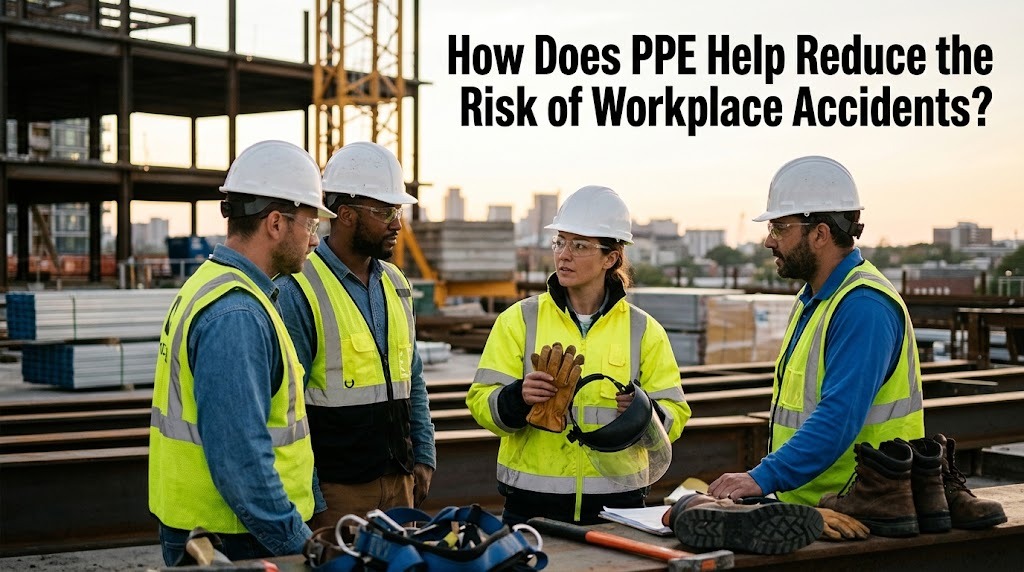
Personal Protective Equipment or PPE is an important part of workplace safety because it helps protect workers from different hazards. Workplace accidents can happen when employees are exposed to falling objects, sharp materials, chemicals, excessive noise, or other dangerous conditions. PPE provides an additional layer of protection when hazards cannot be completely removed. Using the right equipment correctly can therefore help reduce the potential impact of workplace incidents.
PPE PROVIDES A BARRIER AGAINST WORKPLACE HAZARDS
PPE works as a protective barrier between workers and hazards that may cause injuries. Safety helmets can protect the head from certain impacts, while safety glasses can reduce the risk of eye injuries from flying particles. Gloves can provide protection against specific hand hazards, and safety footwear can help protect the feet from impacts or sharp materials. Each type of PPE is designed for particular risks and should be selected accordingly.
However, PPE does not completely remove workplace hazards. It is generally used as an additional safety measure after other controls have been considered. Workers still need to follow safety procedures and use equipment properly. Combining PPE with appropriate workplace controls can provide better protection against accidents.
PPE HELPS REDUCE THE EFFECTS OF ACCIDENTS
Some workplace accidents may still occur even when safety procedures are followed. In such situations, suitable PPE can help reduce the severity of certain injuries. For example, protective eyewear may help reduce eye exposure to flying particles, while appropriate gloves can provide protection against specific cuts or chemical contact. The level of protection depends on the equipment, the hazard, and how correctly the PPE is used.
Proper PPE selection is therefore important for accident prevention. Equipment should match the specific hazard rather than being selected simply because it is available. Workers should understand the limitations of their PPE and never treat it as a substitute for safe working practices. Regular training can help employees understand when and how each item should be used.
DIFFERENT PPE PROTECTS DIFFERENT BODY PARTS
Different types of PPE are designed to protect different parts of the body. Hard hats can provide head protection, while goggles and safety glasses are designed to protect the eyes from specific hazards. Earplugs and earmuffs can help reduce exposure to excessive workplace noise. Respirators may be used when workers need protection from certain airborne contaminants.
Other equipment includes protective gloves, safety footwear, protective clothing, and face shields. Workers may need more than one type of PPE when a task involves several hazards at the same time. For example, a worker handling certain hazardous materials may require eye, hand, body, and respiratory protection. Employers should determine the necessary equipment based on a proper assessment of workplace risks.
CORRECT USE OF PPE IS ESSENTIAL
PPE can only provide its intended protection when it is used correctly. Workers should inspect their equipment before use and make sure it fits properly. Damaged, contaminated, or unsuitable PPE should not be used because its protective performance may be affected. Employees should also follow workplace instructions regarding how equipment should be worn, cleaned, stored, and maintained.
Training plays an important role in ensuring proper PPE use. Workers should understand the hazards associated with their tasks and know the correct way to use their protective equipment. Employers can provide demonstrations and safety instructions to help workers develop safe habits. Consistent use of PPE can support safer behavior and reduce unnecessary exposure to workplace hazards.
PPE SUPPORTS A SAFER WORKPLACE
Using PPE consistently can contribute to a stronger safety culture in the workplace. When workers understand the importance of protective equipment, they are more likely to follow established safety procedures. Employers also demonstrate their commitment to worker protection by providing suitable equipment and appropriate training. This cooperation can help create a workplace where safety becomes part of everyday activities.
PPE should be combined with other risk control measures rather than used as the only method of protection. Employers should identify hazards, evaluate risks, and apply suitable controls before determining the PPE that workers need. Workers should then use the equipment according to established procedures. This overall approach can help reduce exposure to hazards and support workplace accident prevention.
CONCLUSION
PPE helps reduce the risk of workplace accidents by providing protection against specific hazards that workers may encounter during their tasks. Helmets, eye protection, gloves, safety footwear, hearing protection, respirators, and protective clothing all have different functions. The correct equipment must be selected according to workplace risks and used properly to provide its intended protection. PPE should also be supported by training, maintenance, and other safety controls. When workers and employers consistently apply these measures, they can help create a safer working environment and reduce the potential impact of workplace accidents.
Tentang Penulis
Gusti Ayu Tita P
Penulis — Universitas STEKOM
Penulis aktif yang berfokus pada isu-isu akademik, teknologi pendidikan, dan pengembangan sumber daya manusia di lingkungan kampus.