How Does the Trend of Remote Learning Change Student Habits?
Gusti Ayu Tita P
28 September 2026
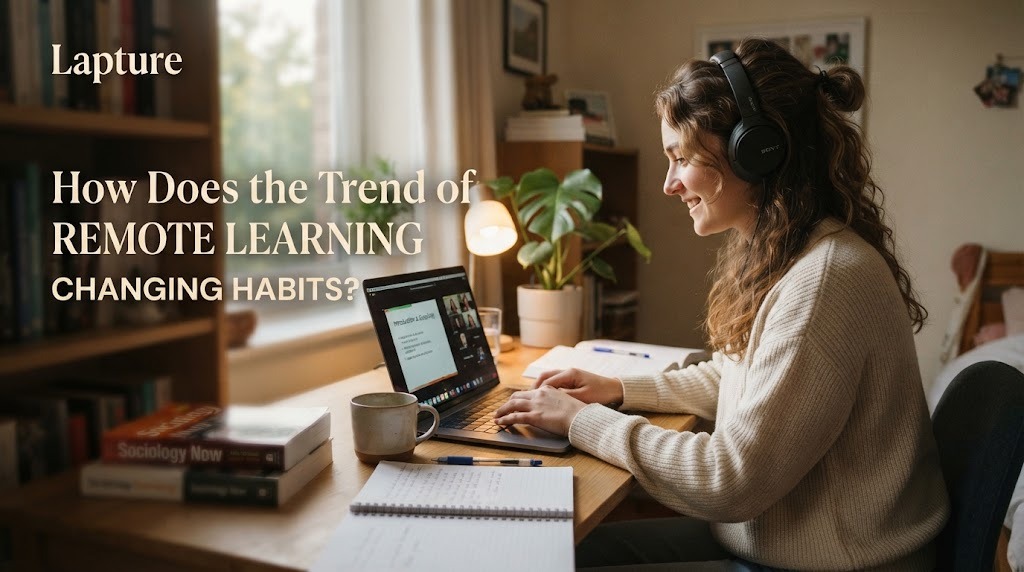
Remote learning has become an important part of modern education. The development of digital technology allows students to attend classes, access materials, complete assignments, and communicate with teachers without always being physically present on campus. This learning model changes how students organize their time, study, communicate, and manage academic responsibilities.
The shift toward remote learning also encourages students to become more independent. They need to manage their schedules and maintain focus without the same physical classroom environment found in traditional learning. As a result, remote learning can influence both positive and challenging student habits.
REMOTE LEARNING ENCOURAGES MORE FLEXIBLE STUDY HABITS
One of the biggest changes caused by remote learning is greater flexibility. Students can often access learning materials from different locations and study according to their available schedules. This flexibility allows students to organize their learning activities around other academic and personal responsibilities.
However, flexibility also requires good time management. Without a clear routine, students may postpone assignments or study irregularly. Creating a consistent daily schedule can help students use the advantages of remote learning without losing academic discipline.
STUDENTS BECOME MORE INDEPENDENT IN LEARNING
Remote learning encourages students to take greater responsibility for their own learning process. They often need to read materials, watch instructional videos, complete tasks, and review lessons without constant direct supervision. This can develop independent learning habits and encourage students to become more responsible.
Students also need to recognize when they do not understand a topic. They may need to search for additional explanations, ask questions through digital platforms, or discuss difficult subjects with classmates. The ability to identify learning needs is an important part of developing academic independence.
DIGITAL DEVICES BECOME PART OF DAILY STUDY ROUTINES
Remote learning makes digital devices an important part of student activities. Laptops, tablets, and smartphones can be used to attend classes, access learning platforms, communicate, and submit assignments. Technology therefore becomes closely connected with everyday study habits.
At the same time, students may face distractions from social media, entertainment, games, or unrelated notifications. Spending too much time on devices can make it difficult to maintain concentration. Students need to create healthy digital habits by controlling distractions and setting specific study periods.
REMOTE LEARNING CHANGES STUDENT COMMUNICATION
Traditional classrooms allow students to communicate directly with teachers and classmates. Remote learning often replaces some of these interactions with video meetings, discussion forums, messaging applications, and email. Students therefore need to adapt their communication habits to digital environments.
Digital communication also requires students to be more careful when writing messages and participating in discussions. Clear language, respectful behavior, and appropriate response times can make online communication more effective. Good digital communication skills can support both academic collaboration and future professional activities.
STUDENTS NEED STRONGER TIME MANAGEMENT
Remote learning can make time management more important because students have greater control over when and where they study. Without careful planning, academic tasks can overlap with household activities, entertainment, or other responsibilities. Students need to prioritize assignments and create realistic study schedules.
Using calendars, task lists, reminders, or digital planning tools can help students monitor their responsibilities. Breaking large assignments into smaller tasks can also make academic work easier to manage. Good time management helps students remain productive while reducing the tendency to delay important work.
REMOTE LEARNING CAN CHANGE SOCIAL AND STUDY INTERACTIONS
Another change can be seen in how students interact with their classmates. Remote learning may reduce spontaneous conversations that commonly happen before, during, or after face-to-face classes. Students may therefore need to make more intentional efforts to maintain academic and social connections.
Online group discussions and collaborative assignments can still provide opportunities for interaction. Students can share ideas, divide responsibilities, and solve problems together through digital platforms. Maintaining active communication can help students avoid becoming isolated from their academic community.
STUDENTS NEED TO BALANCE FLEXIBILITY AND DISCIPLINE
Remote learning provides flexibility, but students still need discipline to make the learning process effective. Having access to classes from home does not mean students can ignore schedules, assignments, or academic responsibilities. The most important habit is learning to balance freedom with responsibility.
Students can develop this balance by creating regular study routines, preparing a comfortable learning environment, limiting distractions, and taking sufficient breaks. They should also evaluate their learning habits regularly. When flexibility is supported by discipline, remote learning can help students develop stronger independence, adaptability, and digital learning skills.
CONCLUSION
The trend of remote learning changes student habits in several ways, including study routines, time management, digital communication, independent learning, and daily technology use. Students gain greater flexibility but also face the responsibility of managing their own learning more effectively.
Remote learning can become a positive educational experience when students develop consistent routines and responsible digital habits. Independence, discipline, communication, and adaptability are important skills for students who study in remote or blended learning environments. By developing these habits, students can take advantage of digital education while continuing to achieve their academic goals.
Tentang Penulis
Gusti Ayu Tita P
Penulis — Universitas STEKOM
Penulis aktif yang berfokus pada isu-isu akademik, teknologi pendidikan, dan pengembangan sumber daya manusia di lingkungan kampus.