
How Slow Living Improves Focus And Productivity?
Gusti Ayu Tita P
24 September 2026
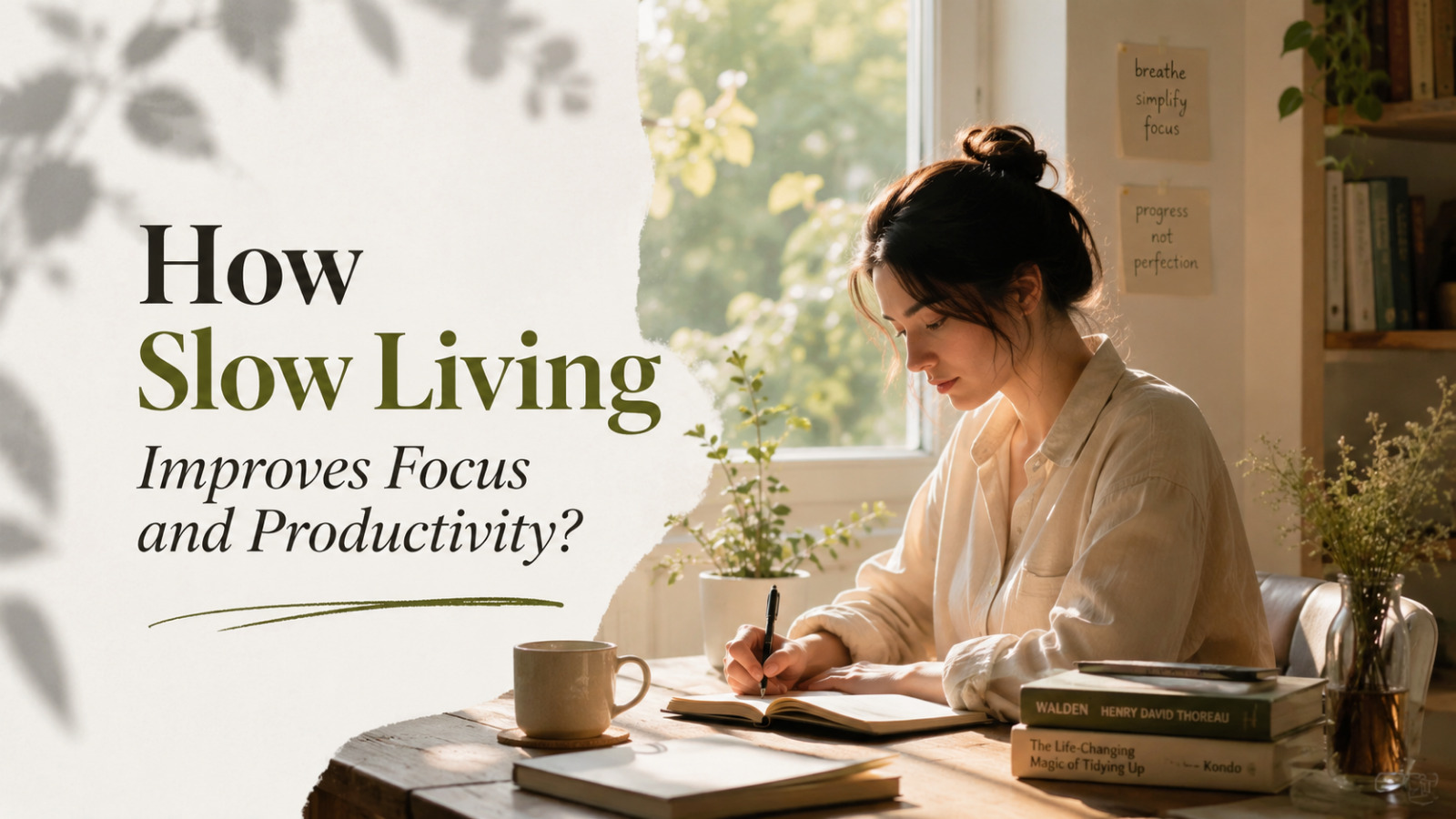
In today's fast-paced world, many people believe that staying busy all the time is the key to success. However, constantly rushing from one task to another often leads to stress, mental fatigue, and reduced productivity. This is why the concept of Slow Living has become increasingly popular among professionals, students, and entrepreneurs who want to achieve better balance and long-term success.
Slow Living is not about being lazy or avoiding responsibilities. Instead, it encourages people to work with greater awareness, focus on meaningful activities, and eliminate unnecessary distractions. By adopting this lifestyle, individuals can improve concentration, make better decisions, and maintain high productivity without sacrificing their well-being. This article explains how Slow Living can improve focus and productivity while providing practical ways to apply it in everyday life.
WHAT IS SLOW LIVING?
Slow Living is a lifestyle that encourages people to live intentionally rather than constantly rushing through daily activities. It focuses on quality over quantity, helping individuals become more mindful of how they spend their time and energy. Instead of multitasking excessively, people prioritize tasks that truly matter.
This approach promotes mental clarity, healthier routines, and better work-life balance. By slowing down and becoming more present, people often discover that they accomplish more meaningful work with fewer mistakes and less stress.
WHY SLOW LIVING IMPROVES FOCUS?
Modern life is filled with notifications, social media, emails, and endless distractions that reduce our ability to concentrate. Slow Living helps minimize these interruptions by encouraging people to focus on one task at a time. This improves attention span and allows the brain to process information more effectively.
When individuals work with full concentration, they complete tasks faster and produce higher-quality results. Better focus also reduces mental exhaustion because the brain does not constantly switch between different activities.
HOW SLOW LIVING BOOSTS PRODUCTIVITY?
Many people assume productivity means doing more work in less time. In reality, true productivity means achieving better results through smarter work habits. Slow Living encourages careful planning, realistic priorities, and intentional decision-making instead of constant busyness.
People who practice this lifestyle often spend less time correcting mistakes because they pay closer attention to their work. As a result, they complete projects more efficiently while maintaining consistent performance and reducing burnout.
DAILY HABITS TO PRACTICE SLOW LIVING
Building a Slow Living lifestyle begins with small daily habits. Start by creating a clear schedule that includes focused work sessions and regular breaks. Avoid checking your phone or email constantly while working, as frequent interruptions reduce concentration.
Practicing mindfulness, spending time in nature, maintaining healthy sleep habits, and limiting unnecessary commitments also support a slower and more intentional lifestyle. These simple habits improve both productivity and emotional well-being over time.
THE CONNECTION BETWEEN SLOW LIVING AND MENTAL HEALTH
Mental health plays a significant role in maintaining focus and productivity. Constant pressure and excessive workloads can increase stress, anxiety, and emotional exhaustion. Slow Living encourages people to recognize their limits and prioritize self-care without feeling guilty.
By allowing time for relaxation and reflection, individuals improve emotional resilience and maintain a healthier mindset. Better mental health naturally supports stronger concentration, better decision-making, and higher workplace performance.
SLOW LIVING IN THE WORKPLACE
Companies are increasingly recognizing the value of healthier work environments. Encouraging employees to take meaningful breaks, reduce unnecessary meetings, and focus on deep work can significantly improve productivity. Slow Living principles help create more sustainable work habits for both employees and managers.
Organizations that promote balance often experience improved employee engagement, stronger teamwork, and lower turnover rates. A workplace that values quality over constant urgency creates better long-term business outcomes.
SIMPLE TIPS TO START A SLOW LIVING LIFESTYLE
Anyone can begin practicing Slow Living without making dramatic lifestyle changes. Start by identifying activities that consume unnecessary time and replace them with more meaningful habits. Set daily priorities and focus on completing one important task before moving to the next.
Learn to say no to unnecessary commitments and create space for rest, learning, and personal growth. Small, consistent improvements are more effective than trying to change everything at once.
CONCLUSION
Slow Living is not about slowing progress but about making progress more meaningful and sustainable. By focusing on intentional living, reducing distractions, and building healthier daily habits, individuals can significantly improve both focus and productivity.
Adopting Slow Living helps people achieve better work quality, stronger mental well-being, and greater life satisfaction. In a world that often values speed above all else, choosing a balanced and mindful approach can become one of the most effective strategies for long-term personal and professional success.
Tentang Penulis
Gusti Ayu Tita P
Penulis — Universitas STEKOM
Penulis aktif yang berfokus pada isu-isu akademik, teknologi pendidikan, dan pengembangan sumber daya manusia di lingkungan kampus.



