How to Protect Your Savings from Inflation
Gusti Ayu Tita P
29 Mei 2026
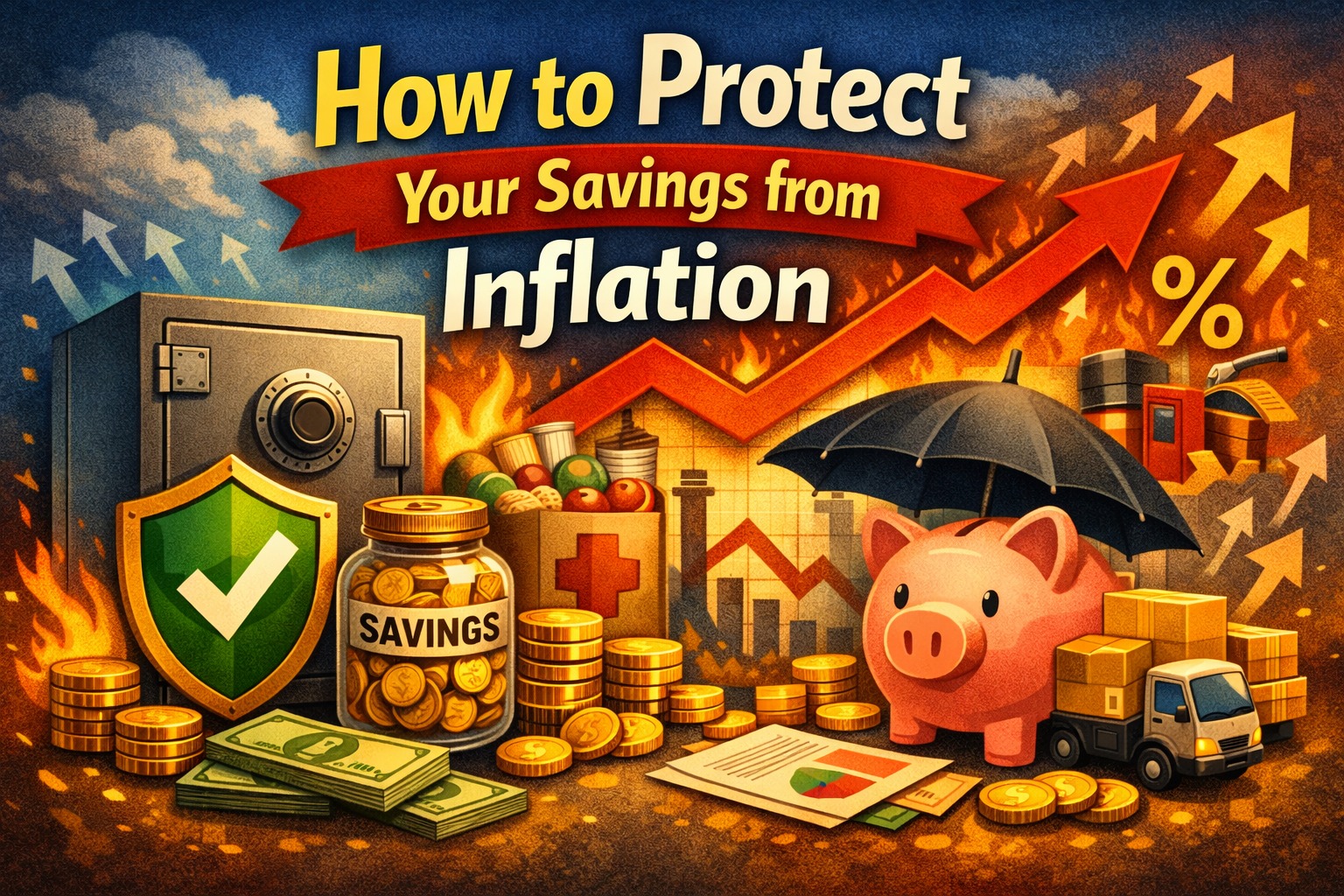
Inflation quietly reduces the value of money over time. When prices rise, the same amount of savings buys fewer goods and services. Without a smart strategy, your hard-earned money may lose purchasing power year after year. The good news is that you can protect your savings by understanding inflation and applying the right financial strategies.
UNDERSTANDING HOW INFLATION AFFECTS SAVINGS
Inflation occurs when the general price level of goods and services increases over time. While moderate inflation is a normal part of a growing economy, high inflation can erode the real value of savings. For example, if inflation is 5% annually, money kept in a low-interest savings account earning only 2% effectively loses value.
This means simply saving money is not enough—you need to make your money grow faster than inflation.
DIVERSIFY YOUR SAVINGS AND INVESTMENTS
One of the most effective ways to protect savings from inflation is diversification. Instead of keeping all funds in a traditional savings account, spread them across different financial instruments such as:
- High-yield savings accounts
- Government bonds or inflation-linked bonds
- Mutual funds and index funds
- Real estate or property investments
Diversification reduces risk while increasing the potential for long-term growth. When one asset struggles, another may perform better, balancing your overall financial health.
INVEST IN ASSETS THAT OUTPACE INFLATION
Certain assets historically perform well during inflationary periods. Investing in these can help preserve and grow wealth:
Stocks: Over time, stock markets tend to outperform inflation because companies adjust prices and grow earnings.
Real Estate: Property values and rental income often rise with inflation.
Gold and Commodities: These are considered safe-haven assets during economic uncertainty.
The key is to invest for the long term and avoid panic selling during market fluctuations.
BUILD AN EMERGENCY FUND
While investing is important, liquidity still matters. An emergency fund ensures you don’t need to withdraw investments during market downturns. Ideally, your emergency fund should cover 3–6 months of living expenses and be stored in a high-interest savings account.
This balance between liquidity and investment helps maintain financial stability even during uncertain economic conditions.
REDUCE UNNECESSARY EXPENSES
Inflation often leads to rising living costs, making budgeting more important than ever. Simple steps can make a big difference:
- Track monthly spending
- Cut unnecessary subscriptions
- Buy in bulk when prices rise
- Prioritize essential expenses
Smart spending allows you to allocate more funds toward investments that protect your savings.
CONSIDER INFLATION-PROTECTED FINANCIAL PRODUCTS
Many financial institutions offer products specifically designed to combat inflation, such as:
- Inflation-protected bonds
- High-yield fixed deposits
- Retirement accounts with diversified portfolios
These products provide built-in protection by adjusting returns according to inflation rates.
KEEP LEARNING ABOUT FINANCIAL LITERACY
Financial knowledge is your strongest defense against inflation. Stay updated on economic trends, interest rates, and investment opportunities. The more informed you are, the better decisions you can make to secure your financial future.
CONCLUSION
Inflation is unavoidable, but its impact on your savings can be minimized. By diversifying investments, choosing inflation-resistant assets, managing expenses, and improving financial literacy, you can ensure your money retains its value over time. The sooner you start protecting your savings, the stronger your financial future will be.
Tentang Penulis
Gusti Ayu Tita P
Penulis — Universitas STEKOM
Penulis aktif yang berfokus pada isu-isu akademik, teknologi pendidikan, dan pengembangan sumber daya manusia di lingkungan kampus.