How to Recover and Rebuild Your Future After a Drop Out?
Gusti Ayu Tita P
28 September 2026

Dropping out of college or university is often viewed as a major setback, but it does not have to define the rest of your life. Many people who leave higher education for financial, personal, health, or academic reasons eventually build successful careers and fulfilling lives. The key lies in accepting the situation, learning from the experience, and taking practical steps toward a new direction.
Instead of focusing on past disappointments, it is more productive to identify opportunities for growth and skill development. With determination, continuous learning, and a clear plan, rebuilding your future after a drop out is entirely possible. This guide explains practical strategies to help you regain confidence and create long-term success.
ACCEPT THE SITUATION AND START MOVING FORWARD
The first step after a drop out is to accept reality without giving up on your goals. Dwelling on regret can prevent you from recognizing new opportunities that may be available. Every challenge provides valuable lessons that can strengthen resilience and improve future decision-making.
Rather than viewing yourself as a failure, consider the experience as part of your personal journey. A positive mindset, combined with realistic planning, creates a stronger foundation for future achievements. Self-reflection helps identify what went wrong and what can be improved moving forward.
IDENTIFY THE REASONS BEHIND THE DROP OUT
Understanding the factors that led to leaving school is essential for preventing similar problems in the future. Financial difficulties, family responsibilities, health issues, lack of motivation, or academic struggles may all contribute to the decision.
By identifying the root causes, you can create targeted solutions that fit your circumstances. Honest self-evaluation allows you to make better choices and establish more sustainable goals. This process also helps rebuild confidence by transforming mistakes into learning experiences.
DEVELOP NEW SKILLS THAT MATCH MARKET DEMAND
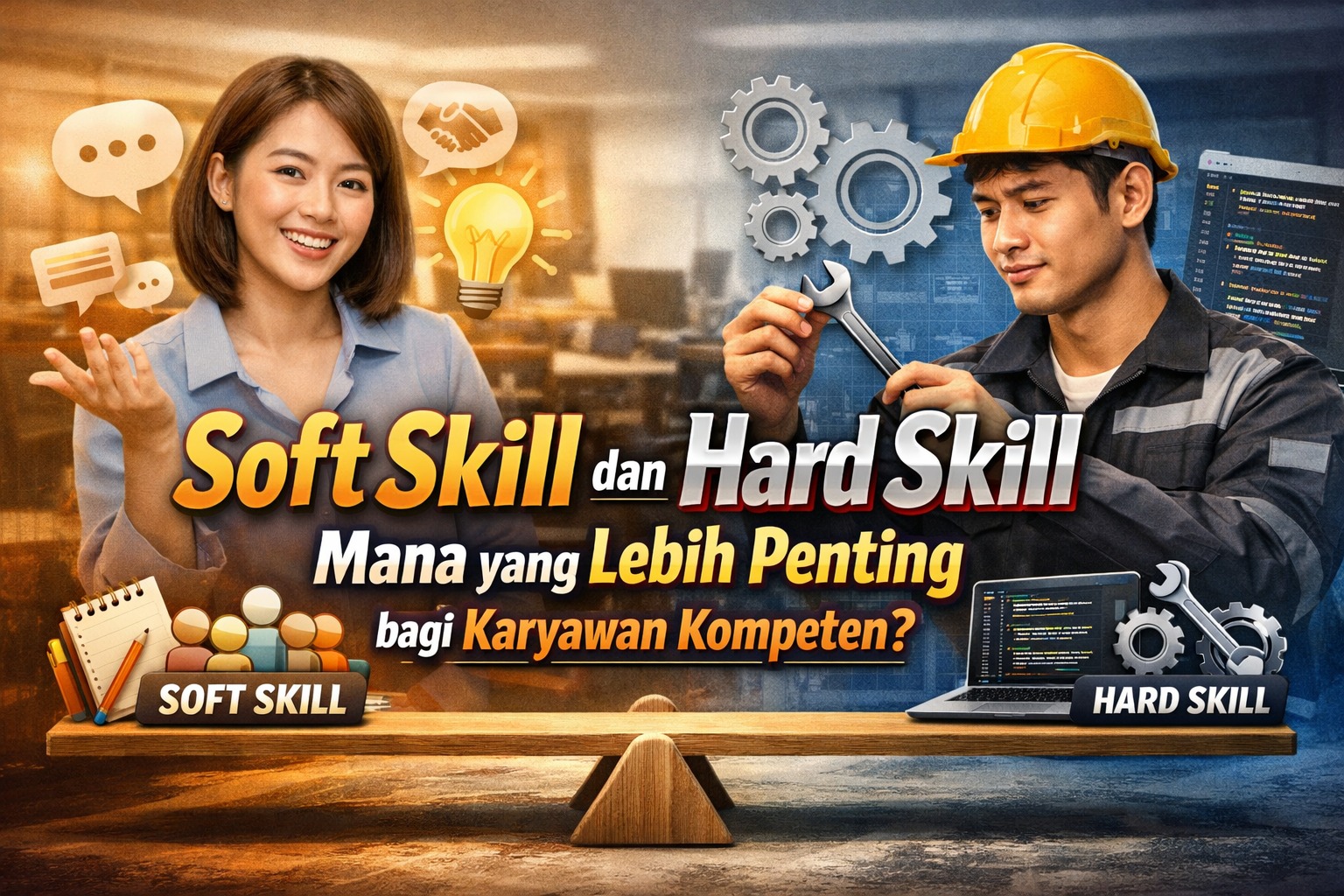
A university degree is valuable, but employers increasingly recognize the importance of practical abilities. Building technical skills, digital literacy, communication, problem-solving, and project management capabilities can significantly improve career prospects.
Online courses, certifications, workshops, and self-study provide affordable ways to continue learning. Consistently improving your expertise demonstrates initiative and adaptability. In many industries, a strong portfolio and proven competence can be just as influential as formal education.
CREATE A CLEAR CAREER OR BUSINESS PLAN
Having a defined direction helps maintain motivation and measure progress. Set both short-term and long-term objectives, including skill development, employment targets, financial milestones, or entrepreneurial goals. Specific planning reduces uncertainty and encourages disciplined action.
Break large ambitions into manageable tasks that can be completed step by step. Tracking progress regularly makes adjustments easier and keeps momentum strong. Even modest achievements can build confidence for tackling bigger challenges.
BUILD PROFESSIONAL EXPERIENCE THROUGH PRACTICAL OPPORTUNITIES
Experience often carries significant weight in today's job market. Freelancing, internships, volunteer work, apprenticeships, or personal projects can strengthen your resume while expanding practical knowledge. Employers frequently appreciate candidates who demonstrate initiative through real-world accomplishments.
Each project also helps develop communication, teamwork, and leadership skills. Building a portfolio of completed work provides tangible evidence of your capabilities. Over time, practical experience can become a major competitive advantage.
EXPAND YOUR PROFESSIONAL NETWORK
Networking opens doors to opportunities that may not be advertised publicly. Participate in industry events, online communities, seminars, and local business gatherings to meet professionals with shared interests. Meaningful relationships often lead to mentorship, collaboration, or job referrals.
Maintaining genuine connections requires consistency and mutual respect rather than simply seeking favors. Sharing knowledge and supporting others strengthens your reputation. A reliable professional network can become one of your most valuable career assets.
CONSIDER RETURNING TO EDUCATION IN THE FUTURE
Dropping out does not necessarily mean education has ended permanently. Some individuals choose to return to university later, while others pursue vocational programs, certifications, or specialized training that better match their goals. Flexible learning options make continued education more accessible than ever.
Before returning, evaluate your financial readiness, motivation, and career objectives. Choosing the right educational path increases the likelihood of long-term success. Lifelong learning remains one of the best investments in personal and professional growth.
MAINTAIN RESILIENCE AND A GROWTH MINDSET
Success rarely follows a perfectly straight path. Many accomplished individuals have experienced setbacks before achieving their goals because they remained persistent and continued improving themselves. Resilience, adaptability, and consistent effort often determine long-term outcomes more than a single academic decision.
Celebrate progress, no matter how small, and remain open to learning from every experience. Building a successful future requires patience and sustained commitment. With the right attitude and actions, a drop out can become the beginning of a stronger and more purposeful chapter.
CONCLUSION
Recovering after a drop out is possible when you combine self-awareness, continuous learning, strategic planning, and practical action. By addressing past challenges, developing relevant skills, gaining experience, and expanding your network, you can create new opportunities for growth. The future is shaped not only by formal education but also by persistence, adaptability, and the willingness to keep moving forward.
Tentang Penulis
Gusti Ayu Tita P
Penulis — Universitas STEKOM
Penulis aktif yang berfokus pada isu-isu akademik, teknologi pendidikan, dan pengembangan sumber daya manusia di lingkungan kampus.