How to Respect Cultural and Religious Differences Through Tolerance?
Gusti Ayu Tita P
23 September 2026
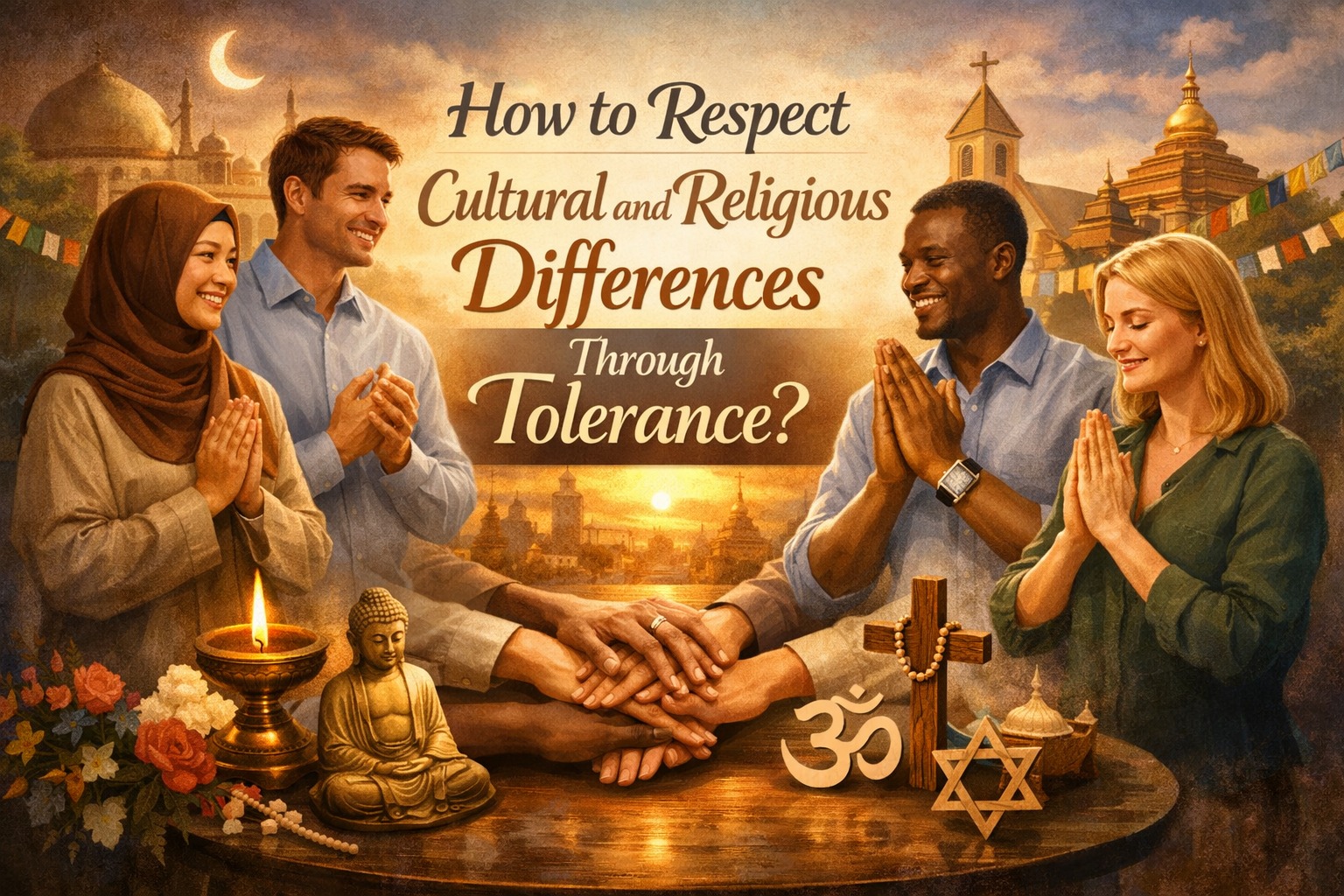
In today's interconnected world, people from different cultures, religions, and backgrounds interact more often than ever before. While diversity brings new ideas and opportunities, it can also create misunderstandings if people fail to appreciate one another's differences. This is why tolerance has become one of the most important values in modern society.
Respecting cultural and religious differences does not mean abandoning personal beliefs. Instead, it means recognizing that everyone has the right to practice their traditions, express their identities, and live according to their values as long as they respect others. By developing tolerance, individuals can build stronger relationships, reduce conflict, and create a more peaceful community.
UNDERSTANDING THE TRUE MEANING OF TOLERANCE
Tolerance is the willingness to accept and respect differences without discrimination or prejudice. It encourages people to understand perspectives that may differ from their own while maintaining mutual respect. Tolerance is not about agreeing with every opinion but about recognizing the dignity and rights of every individual.
In multicultural societies, tolerance helps people cooperate despite different beliefs, customs, and traditions. It promotes peaceful coexistence, encourages open communication, and reduces unnecessary conflicts. When people practice tolerance daily, they contribute to a safer and more inclusive environment for everyone.
RESPECTING CULTURAL DIFFERENCES IN DAILY LIFE
Showing respect for different cultures begins with curiosity and a willingness to learn. People should avoid making assumptions based on stereotypes and instead seek to understand the history, traditions, and values of others. Listening carefully and asking respectful questions can strengthen mutual understanding.
Simple actions such as appreciating traditional celebrations, respecting cultural clothing, or learning basic greetings from another culture demonstrate genuine respect. These everyday efforts help build trust and encourage positive relationships among individuals from diverse backgrounds. Small acts of kindness often have a lasting impact on creating an inclusive community.
HONORING RELIGIOUS BELIEFS WITH MUTUAL RESPECT
Every individual has the freedom to practice their religion or choose not to follow any religion. Respecting religious diversity means allowing others to worship peacefully without judgment or discrimination. Understanding religious practices also helps reduce misunderstandings and unnecessary conflicts.
People should avoid offensive comments about religious beliefs and remain considerate during important religious events or celebrations. In schools, workplaces, and public spaces, providing equal opportunities for everyone regardless of faith demonstrates fairness and respect. Such attitudes strengthen social harmony and encourage peaceful interactions.
IMPROVING COMMUNICATION TO BUILD TOLERANCE
Effective communication plays a significant role in promoting tolerance. Listening actively allows people to understand different viewpoints without immediately criticizing or rejecting them. Open conversations create opportunities to solve disagreements through discussion rather than conflict.
Using polite language and showing empathy make conversations more productive and respectful. When misunderstandings occur, addressing them calmly helps prevent tension from escalating. Good communication encourages stronger relationships between people with different cultural and religious backgrounds.
THE ROLE OF EDUCATION IN PROMOTING TOLERANCE
Education is one of the most effective ways to teach tolerance from an early age. Schools can introduce students to various cultures, traditions, and religions through lessons, discussions, and collaborative activities. Learning about diversity helps students appreciate differences instead of fearing them.
Families and communities also contribute by modeling respectful behavior and encouraging children to interact with people from different backgrounds. Continuous learning about global cultures develops empathy, critical thinking, and social responsibility. Education ultimately creates future generations that value diversity and inclusion.
BENEFITS OF PRACTICING TOLERANCE IN SOCIETY
Communities that embrace tolerance experience stronger cooperation, greater trust, and fewer social conflicts. People become more willing to collaborate regardless of cultural or religious differences, leading to healthier relationships in workplaces, schools, and neighborhoods. Diversity becomes a valuable source of creativity and innovation.
Tolerance also supports social harmony, economic growth, and sustainable development because people can work together toward shared goals. By respecting one another's beliefs and traditions, society becomes more peaceful, inclusive, and resilient. Every individual has the ability to contribute by practicing tolerance in everyday life.
CONCLUSION
Respecting cultural and religious differences through tolerance is essential for creating peaceful and inclusive communities. By improving communication, valuing diversity, respecting individual rights, and promoting education, people can build stronger relationships across different backgrounds. Tolerance is not simply accepting differences but actively demonstrating respect, empathy, and understanding in daily interactions. When everyone embraces these values, society becomes more united and prepared to face future challenges together.
Tentang Penulis
Gusti Ayu Tita P
Penulis — Universitas STEKOM
Penulis aktif yang berfokus pada isu-isu akademik, teknologi pendidikan, dan pengembangan sumber daya manusia di lingkungan kampus.