Is Homeschooling Effective for Children with Special Needs?
Gusti Ayu Tita P
25 September 2026
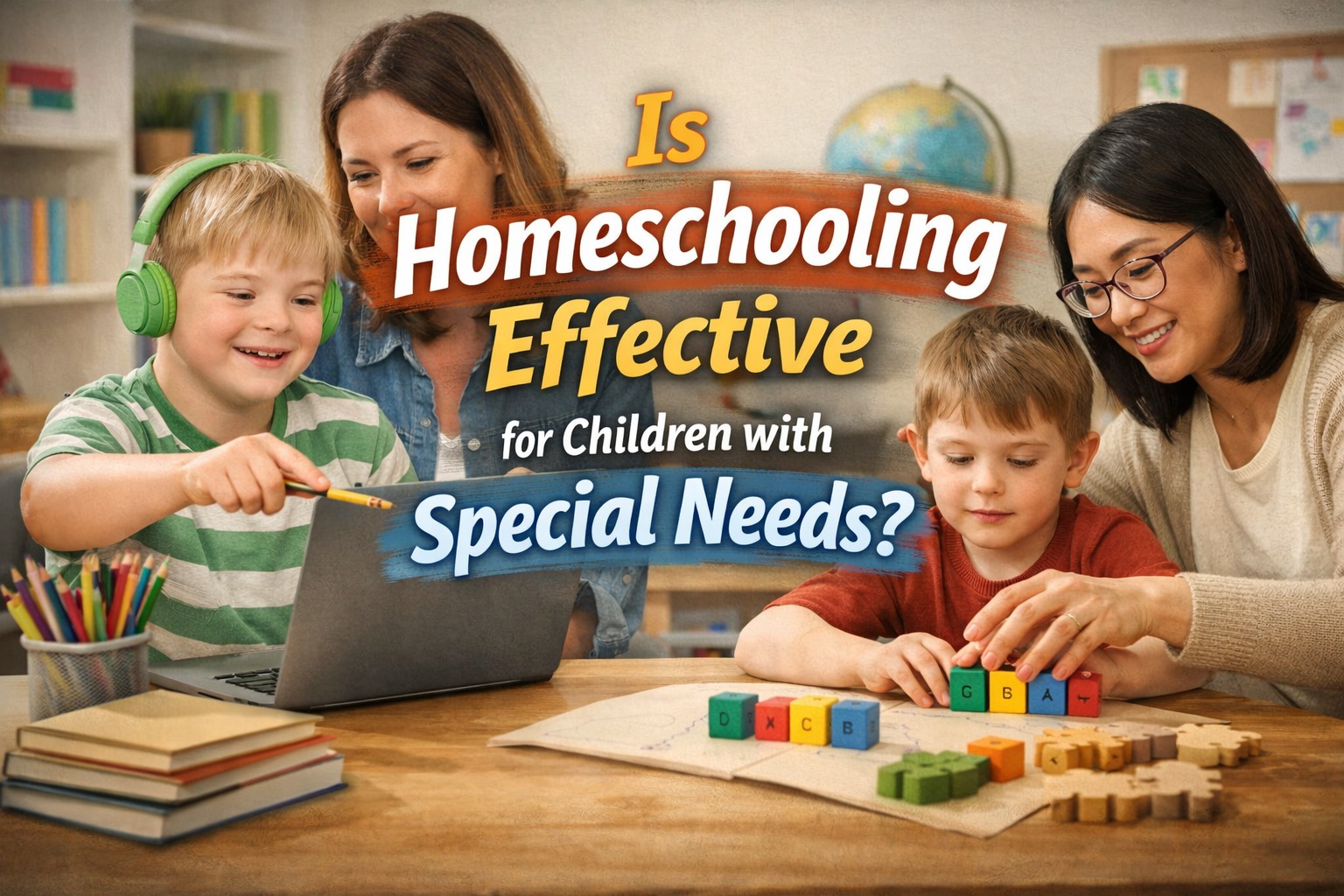
Homeschooling has become an increasingly popular educational option for families around the world, especially for parents of children with special needs. Many families choose this learning method because it offers greater flexibility and allows education to be adapted to a child's unique abilities and challenges. Unlike traditional classrooms, homeschooling can provide a more comfortable environment that reduces stress and distractions. This personalized approach often helps children learn more effectively and confidently. As a result, many parents wonder whether homeschooling is truly an effective solution for children with special educational needs.
WHY HOMESCHOOLING CAN BENEFIT CHILDREN WITH SPECIAL NEEDS?
One of the biggest advantages of homeschooling is the ability to create a personalized learning plan. Every child with special needs learns differently, and homeschooling allows parents to adjust teaching methods, learning speed, and materials according to individual requirements. Children who struggle in crowded classrooms often perform better when lessons are tailored specifically to them. This flexibility can improve both academic progress and emotional well-being.
Homeschooling also reduces many of the pressures found in traditional schools. Children with conditions such as autism, learning disabilities, or attention difficulties may become overwhelmed by noise, social expectations, or rigid schedules. Learning at home creates a calmer environment that helps them focus better and feel more secure. When stress levels decrease, many children become more willing to participate actively in learning activities.
THE IMPORTANCE OF INDIVIDUALIZED LEARNING APPROACHES
Children with special needs often require teaching methods that differ from standard classroom instruction. Homeschooling makes it easier to use visual learning, hands-on activities, educational games, and practical experiences that match a child's strengths. Parents can spend additional time on difficult subjects without worrying about keeping pace with an entire class. This targeted support can significantly improve understanding and retention of information.
Another important benefit is the ability to celebrate small achievements without unnecessary comparison with peers. Traditional schools sometimes unintentionally create pressure through grades and competition. In a homeschooling environment, progress can be measured according to a child's personal development goals. This approach helps build self-confidence and encourages a positive attitude toward education.
SOCIAL DEVELOPMENT REMAINS POSSIBLE
One common concern about homeschooling is the possibility of limited social interaction. However, children who learn at home can still participate in community programs, sports clubs, hobby groups, and educational activities outside the home. Many homeschooling families also organize group learning sessions and field trips that allow children to develop friendships and communication skills.
For children with special needs, these social opportunities can actually be more comfortable than large classroom settings. Parents can gradually introduce social situations that fit the child's emotional readiness and abilities. This controlled exposure often reduces anxiety and helps children build stronger social skills over time. As a result, social development does not have to be sacrificed when choosing homeschooling.
CHALLENGES PARENTS SHOULD CONSIDER
Although homeschooling offers many advantages, it also comes with responsibilities and challenges. Parents must invest time in planning lessons, monitoring progress, and finding suitable educational resources. Some children may also require professional support such as speech therapy, occupational therapy, or specialized tutoring in addition to homeschooling. Access to these services should be carefully considered before making a decision.
Financial considerations can also affect the homeschooling experience. Some families may need to purchase educational materials or reduce work hours to support their child's education. In addition, parents should ensure they remain informed about educational regulations and assessment requirements in their area. Careful preparation is essential for achieving successful outcomes.
CONCLUSION
Homeschooling can be highly effective for children with special needs when it matches the child's personality, learning style, and family circumstances. The ability to provide individual attention, flexible schedules, and customized lessons makes homeschooling a powerful educational option for many families. However, success depends on commitment, planning, and access to appropriate support services.
There is no single educational method that works for every child. Some children thrive in traditional schools, while others achieve greater success through homeschooling. Parents should carefully evaluate their child's strengths, challenges, and goals before making a decision. With the right approach and support, homeschooling can help many children with special needs reach their full potential.
Tentang Penulis
Gusti Ayu Tita P
Penulis — Universitas STEKOM
Penulis aktif yang berfokus pada isu-isu akademik, teknologi pendidikan, dan pengembangan sumber daya manusia di lingkungan kampus.