Keeping the Spirit of Learning Alive After Graduation
Gusti Ayu Tita P
29 September 2026
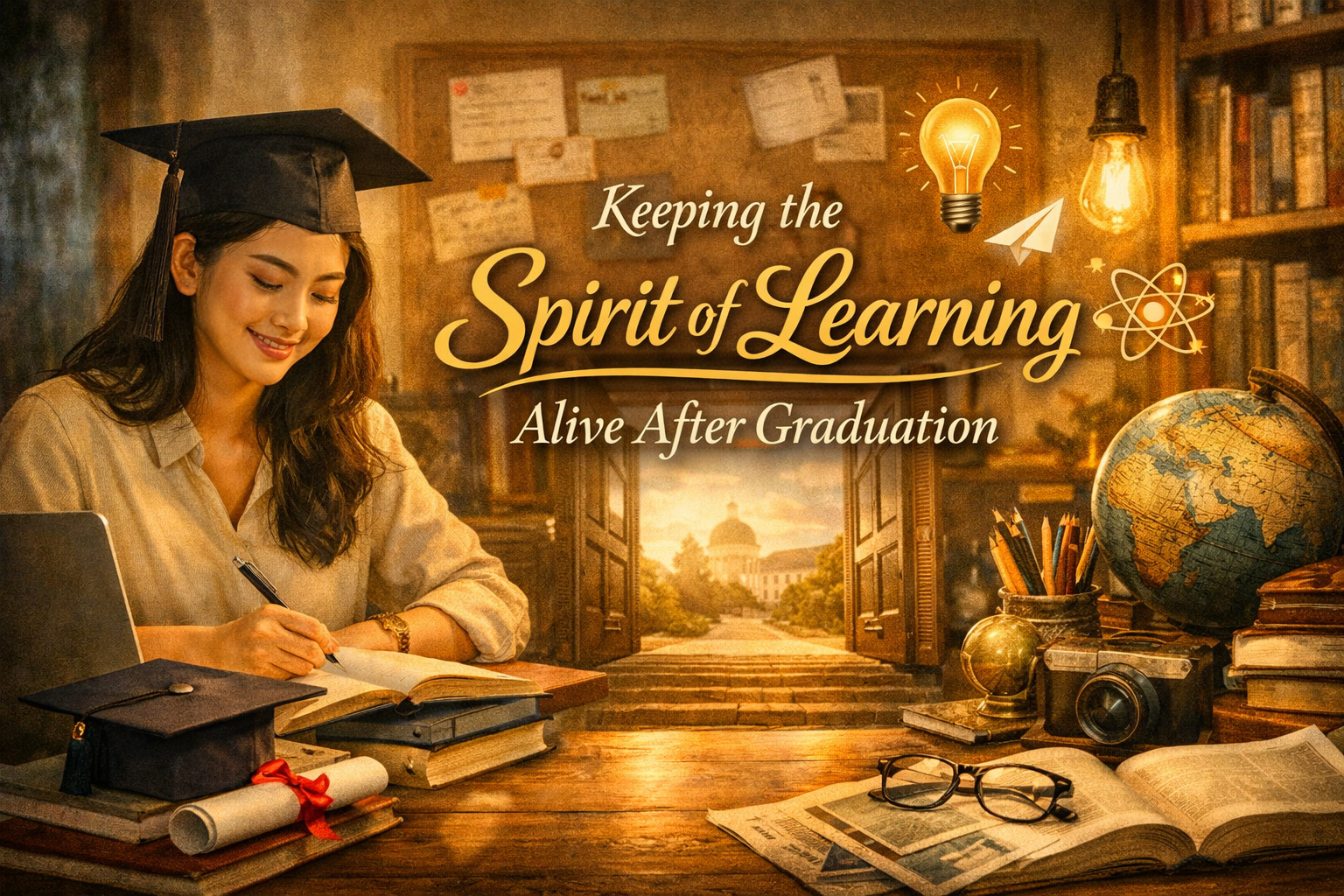
Graduation is often seen as the final step of formal education, but in reality it is only the beginning of a much longer journey. In today’s fast-changing world, continuous learning is not optional but essential for personal and professional success. Many people stop learning after graduation because they feel education has ended, but this mindset can limit future opportunities. The ability to keep growing through lifelong learning, self improvement, and career development is what separates stagnant individuals from successful ones. This article explains how to maintain the spirit of learning alive even after leaving school or university.
WHY PEOPLE STOP LEARNING AFTER GRADUATION
After graduation, many individuals feel relieved because they are free from exams, assignments, and academic pressure. This comfort zone often leads to a decrease in motivation for learning new skills. Some people also believe that formal education is enough, so they stop investing time in personal growth. Another reason is the busy routine of work, which makes learning feel like a secondary priority. Without a clear goal, learning becomes less structured and eventually fades away.
In addition, modern life distractions such as social media and entertainment can reduce focus on self improvement activities. Many graduates also lack guidance on how to continue learning independently. As a result, they miss opportunities for career development and skill enhancement. However, understanding these barriers is the first step to overcoming them. Once identified, these challenges can be managed with the right mindset and habits.
IMPORTANCE OF CONTINUOUS LEARNING
Continuous learning is essential because the world is constantly evolving, especially in technology and job markets. Skills that are relevant today may become outdated in the future, making upskilling very important. By practicing lifelong learning, individuals can stay competitive in their careers and adapt to new challenges. It also helps improve confidence and problem-solving abilities in daily life.
Moreover, continuous learning supports career development by opening new job opportunities and promotions. Employers value individuals who show curiosity and willingness to grow. Learning also enhances creativity and critical thinking, which are important in both professional and personal life. With consistent effort, learning becomes a habit that strengthens long-term success.
STRATEGIES TO KEEP LEARNING ALIVE
One of the best ways to maintain learning is by setting clear and realistic goals. These goals can include improving skills, reading books, or joining online courses. Having a structured plan helps maintain consistency and motivation. Even small daily learning activities can make a big difference over time.
Another effective strategy is to develop curiosity in everyday life. Asking questions and exploring new topics helps strengthen knowledge development. It is also useful to apply what is learned in real situations, as practice reinforces understanding. Surrounding yourself with people who value self improvement can also encourage continuous growth.
BUILDING LEARNING HABITS IN DAILY LIFE
Building learning habits starts with discipline and consistency. Setting aside at least 20–30 minutes daily for personal growth activities such as reading or watching educational content can be very effective. Over time, this small habit turns into a powerful routine. It is also helpful to track progress to stay motivated.
In addition, using digital tools like educational apps and podcasts can make learning more flexible. This approach supports lifelong learning without feeling overwhelming. Another important habit is reflecting on what has been learned each week. Reflection helps strengthen memory and improves understanding. With strong habits, learning becomes a natural part of life.
ROLE OF DIGITAL RESOURCES AND COMMUNITIES
Digital platforms have made learning more accessible than ever before. Websites, videos, and online courses provide unlimited opportunities to gain new knowledge. These resources allow individuals to learn anytime and anywhere, making education more flexible. This convenience supports continuous self improvement even for busy professionals.
Joining online communities and discussion groups can also improve learning motivation. These communities provide support, feedback, and shared knowledge that enhance career development. Interacting with others helps expand perspectives and discover new ideas. With the help of digital tools and communities, learning after graduation becomes easier and more engaging.
CONCLUSION
Keeping the spirit of learning alive after graduation is essential for long-term success in life and career. By embracing lifelong learning, individuals can continue to grow, adapt, and achieve their goals. The key is to stay curious, disciplined, and open to new knowledge. Even small efforts in self improvement can lead to significant changes over time. Remember that graduation is not the end of learning, but the beginning of a lifelong journey of growth.
Tentang Penulis
Gusti Ayu Tita P
Penulis — Universitas STEKOM
Penulis aktif yang berfokus pada isu-isu akademik, teknologi pendidikan, dan pengembangan sumber daya manusia di lingkungan kampus.