Recognize the Impact of Being Overly Dependent or Obsessive in a Relationship
Gusti Ayu Tita P
11 Desember 2025
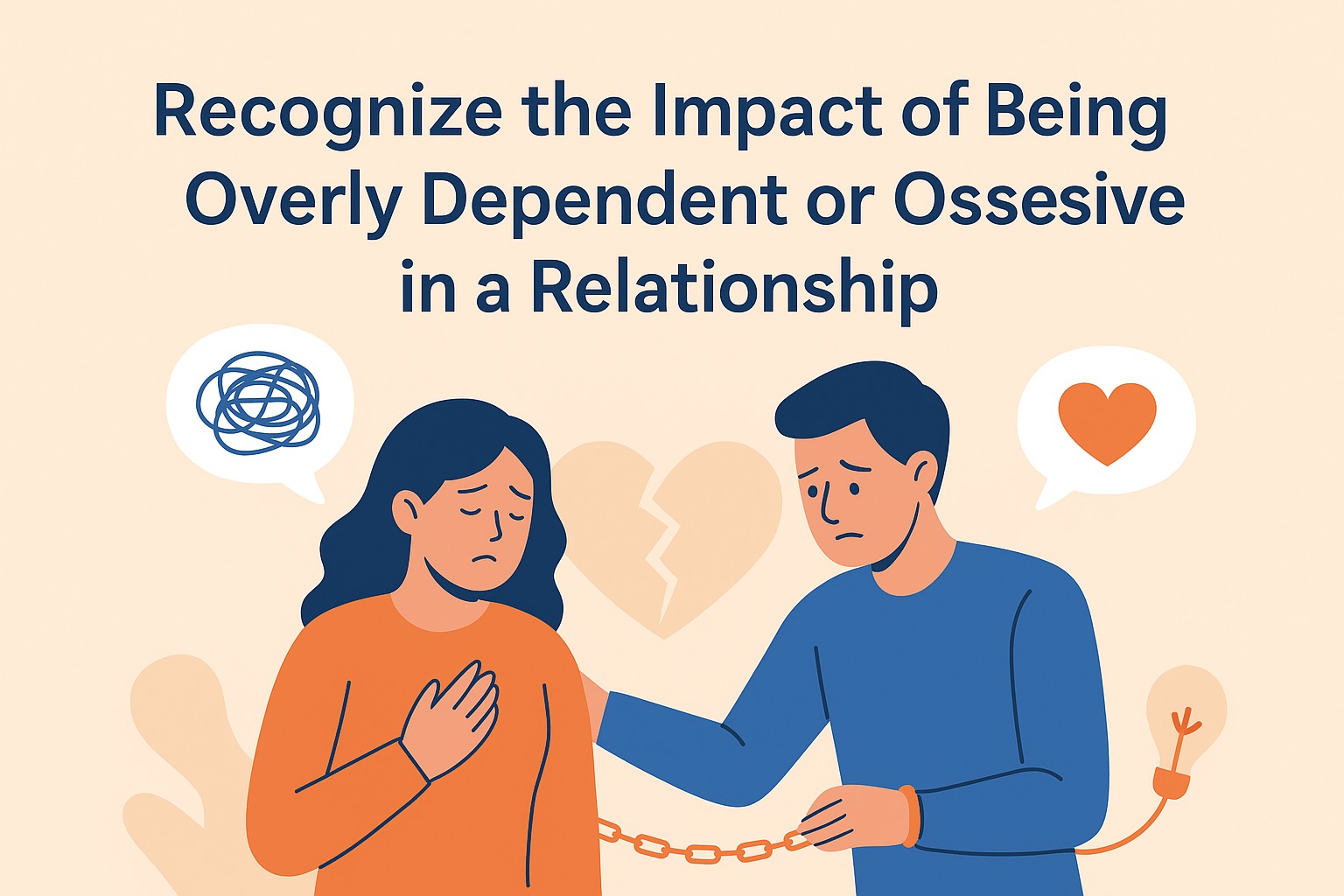
Love can bring extraordinary happiness, but when it becomes excessive, it may cause a person to lose balance in their life. Being “bucin” (short for *budak cinta* or “love slave”), or overly idolizing a partner, can create negative impacts on both the relationship and personal growth.
Negative Impacts of Being Too Attached to Your Partner
1. Neglecting Personal Time and Priorities
When you focus too much on your partner, you may begin to neglect yourself. Personal activities like hobbies, work, and friendships often get pushed aside. Over time, this can hinder self-development and create imbalance.
2. Unhealthy Emotional Dependence
Excessive affection can evolve into emotional dependency. Feelings of uneasiness when apart, excessive jealousy, or constant fear of losing your partner may arise. This dependence burdens the relationship and may make your partner feel trapped.
3. Loss of Personal Identity
Constantly adjusting yourself to your partner’s preferences puts you at risk of forgetting who you truly are. Sacrificing your values, goals, or habits only to please your partner prevents you from recognizing your own identity.
4. Decline in Relationship Quality
Despite the intention to show affection, being overly attached can actually reduce relationship quality. Your partner may feel pressured and lose personal space to grow, making the relationship unhealthy and prone to conflict.
5. Emerging Feelings of Boredom
Without variation and individual growth, relationships can become monotonous. When your life revolves only around your partner, boredom may appear, and your partner may feel overwhelmed by constant expectations.
Effective Strategies to Avoid Excessive Attachment
1. Maintain Life Balance
Reserve time for family, friends, and yourself. Do not channel all your attention solely toward your partner; balance is essential for mental and social well-being.
2. Build Personal Independence
Develop personal skills and interests. Have life targets outside the relationship—such as career achievements or new skills—so you continue to grow as an individual.
3. Practice Healthy Communication
Open discussions about feelings, needs, and boundaries help strengthen understanding and prevent miscommunication.
4. Respect Personal Space
Give your partner room to pursue their own social life and interests. Personal space is crucial for a healthy and harmonious relationship
5. Maintain Relationship Harmony
Create meaningful moments together while still keeping variety—small surprises, spontaneous trips, or new activities help keep the relationship dynamic.
Conclusion
Being overly attached is not a sign of healthy love. Instead, it erodes identity and damages relationship quality. By balancing love and personal life, you can build a mature, harmonious, and fulfilling relationship. Healthy love is love that gives both partners room to grow—together and individually.
Tentang Penulis
Gusti Ayu Tita P
Penulis — Universitas STEKOM
Penulis aktif yang berfokus pada isu-isu akademik, teknologi pendidikan, dan pengembangan sumber daya manusia di lingkungan kampus.