Online Scams How to Recognize and Avoid Digital Fraud?
Gusti Ayu Tita P
2 Oktober 2026
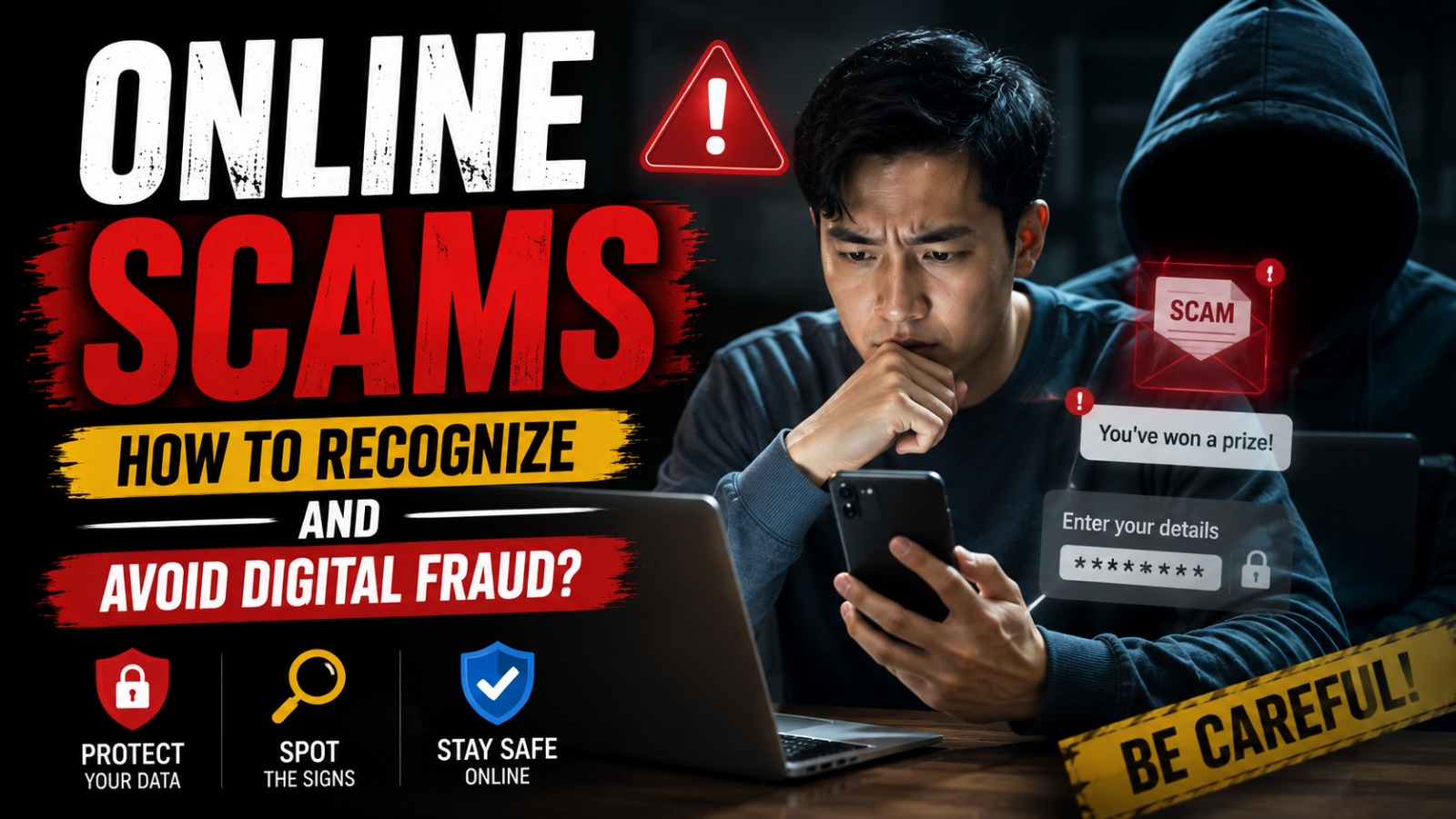
The rapid growth of digital technology has made everyday activities easier, from online shopping and banking to communication and education. However, these conveniences have also created more opportunities for online scammers to target unsuspecting users. Every internet user should understand how digital fraud works to protect their personal information, finances, and online accounts.
Learning to recognize the warning signs of online scams is one of the most effective ways to stay safe. By understanding common fraud techniques and adopting strong cybersecurity habits, individuals can reduce the risk of becoming victims. This guide explains how to identify online scams and provides practical tips to avoid digital fraud.
UNDERSTANDING ONLINE SCAMS
Online scams are fraudulent activities carried out through the internet with the goal of stealing money, personal information, or sensitive account details. Cybercriminals use emails, social media, messaging applications, websites, and phone calls to deceive their victims. They often pretend to represent trusted companies, financial institutions, or government organizations.
Modern online scams have become increasingly sophisticated. Fraudsters use convincing language, professional-looking websites, and fake identities to gain trust. Understanding how these scams operate is the first step toward protecting yourself from digital threats.
COMMON TYPES OF DIGITAL FRAUD
There are many forms of digital fraud, including phishing emails, fake online stores, investment scams, lottery scams, romance scams, and technical support fraud. Each scam uses different methods, but they all aim to manipulate victims into sharing confidential information or sending money.
Some scams create a false sense of urgency by claiming that an account has been compromised or that a limited-time offer is about to expire. Others promise unrealistic financial rewards to attract victims. Recognizing these common tactics helps users respond more carefully.
WARNING SIGNS OF ONLINE SCAMS
One of the clearest indicators of an online scam is an unexpected request for sensitive information. Legitimate organizations rarely ask for passwords, banking details, or verification codes through email or text messages. Suspicious messages often contain spelling mistakes, unusual website addresses, or urgent demands.
Another warning sign is an offer that appears too good to be true. Whether it involves guaranteed profits, expensive prizes, or heavily discounted products, unrealistic promises should always be treated with caution. Verifying information before taking action is essential.
HOW TO PROTECT YOUR PERSONAL INFORMATION?
Protecting personal information is one of the most effective ways to prevent digital fraud. Never share passwords, one-time verification codes, or financial details with unknown individuals or unverified websites. Use strong passwords that combine letters, numbers, and symbols, and avoid using the same password across multiple accounts.
Enable two-factor authentication whenever available. This additional security layer makes unauthorized account access significantly more difficult. Regularly updating passwords also reduces the risk of cyberattacks.
SAFE ONLINE SHOPPING PRACTICES
Online shopping is convenient, but it also attracts scammers who create fake websites and counterfeit products. Before making a purchase, verify the seller's reputation by reading customer reviews and checking contact information. Secure websites usually use HTTPS encryption and display a padlock icon in the browser.
Avoid transferring money directly to unknown sellers without proper verification. Whenever possible, use secure payment methods that provide buyer protection. Taking these precautions significantly reduces shopping-related risks.
RECOGNIZING PHISHING ATTACKS
Phishing attacks are among the most common forms of online fraud. They typically involve fake emails or messages designed to trick users into clicking malicious links or downloading harmful files. These messages often imitate banks, online marketplaces, or popular technology companies.
Always verify the sender's email address before opening attachments or clicking links. If you receive a suspicious message, contact the organization directly through its official website rather than responding to the message itself. Staying cautious is the best defense against phishing.
KEEPING YOUR DEVICES SECURE
Cybersecurity begins with properly protected devices. Install reputable antivirus software, update operating systems regularly, and download applications only from trusted sources. Software updates often include security improvements that protect against newly discovered threats.
Avoid connecting to unsecured public Wi-Fi networks when accessing sensitive accounts. If public internet access is necessary, consider using a trusted virtual private network (VPN) to encrypt your connection. Device security plays a major role in preventing digital fraud.
WHAT TO DO IF YOU BECOME A VICTIM?
If you suspect that you have become a victim of an online scam, act immediately. Change affected account passwords, contact your bank if financial information has been compromised, and report the incident to the relevant authorities. Quick action can minimize financial losses and prevent additional damage.
Monitor your financial accounts and online activities for any suspicious transactions. Keeping records of fraudulent communications may also assist during investigations. Immediate response greatly improves the chances of limiting the impact of digital fraud.
BUILDING SAFE DIGITAL HABITS
Online safety depends on consistent daily habits. Always verify information before sharing personal details, think carefully before clicking unfamiliar links, and remain cautious of unexpected requests. Digital awareness is one of the strongest defenses against cybercriminals.
Educating family members, friends, and colleagues about online scams also contributes to a safer digital environment. As scammers continue to develop new techniques, continuous learning and vigilance remain essential for protecting personal information and financial security.
CONCLUSION
Online scams continue to evolve alongside advances in technology, making digital awareness more important than ever. Understanding common scam techniques, recognizing warning signs, protecting personal information, and maintaining secure online habits significantly reduce the risk of becoming a victim.
Every internet user has the responsibility to stay informed and practice safe online behavior. By remaining alert, verifying information carefully, and using strong cybersecurity measures, you can confidently navigate the digital world while protecting your personal and financial security.
Tentang Penulis
Gusti Ayu Tita P
Penulis — Universitas STEKOM
Penulis aktif yang berfokus pada isu-isu akademik, teknologi pendidikan, dan pengembangan sumber daya manusia di lingkungan kampus.