PKKMB in the Digital Era and Modern Campus Culture
Gusti Ayu Tita P
27 September 2026
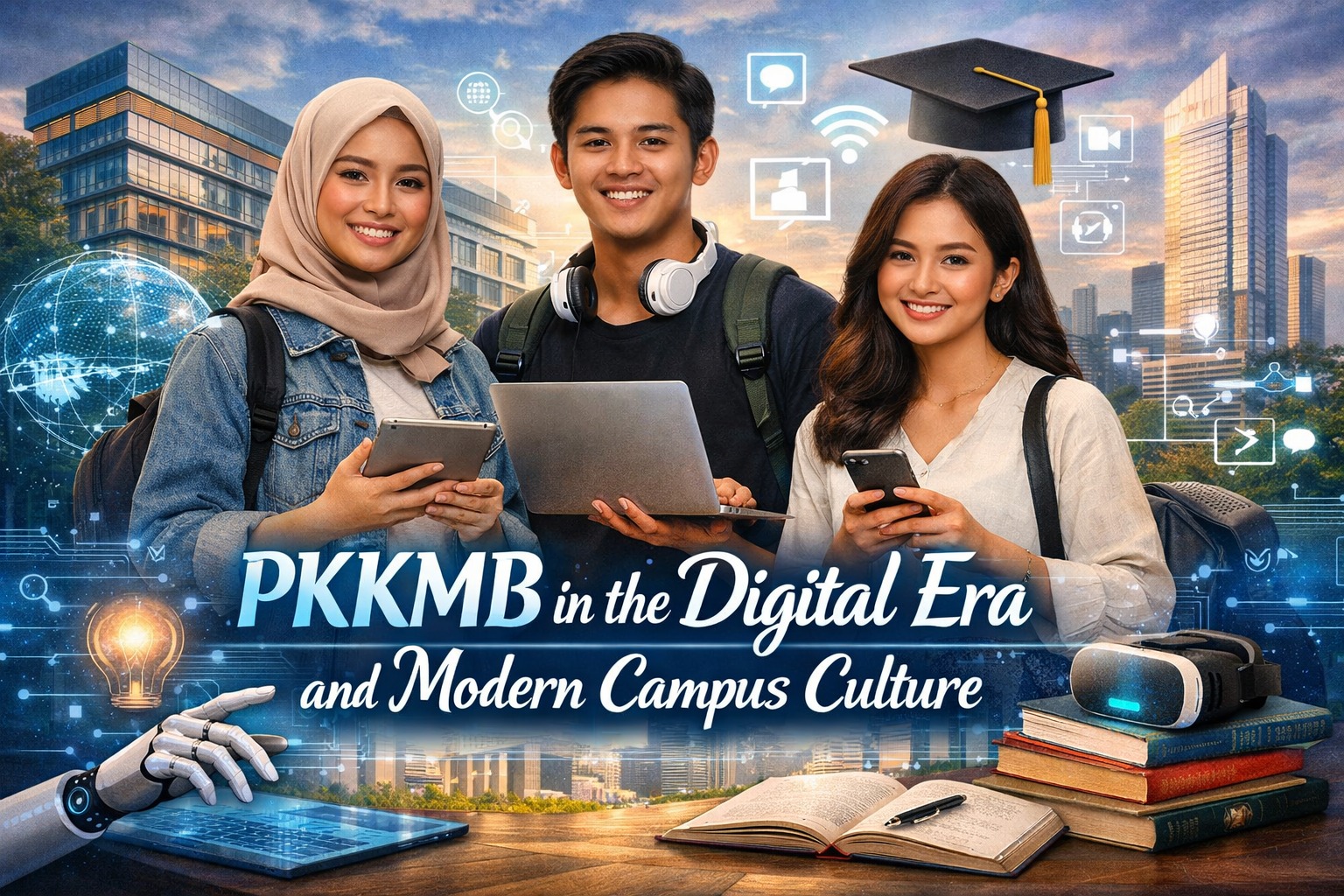
PKKMB (Pengenalan Kehidupan Kampus bagi Mahasiswa Baru) is an important program that helps new students adapt to university life. In the digital era, PKKMB has transformed into a more interactive and technology-based experience. Universities now use online platforms, virtual meetings, and digital learning systems to introduce campus life. This shift makes digital campus orientation more efficient and accessible for students from different regions.
One of the main goals of PKKMB is to build a strong foundation for students in understanding modern campus culture. Through this program, students are introduced to academic rules, student organizations, and campus values. The integration of technology ensures that the process becomes more structured and engaging. As a result, higher education orientation programs in Indonesia are becoming more innovative and student-friendly.
TRANSFORMATION OF CAMPUS ORIENTATION THROUGH TECHNOLOGY
The transformation of PKKMB is strongly influenced by rapid technological development. Many universities now implement online campus orientation systems that allow students to join activities remotely. This method includes video conferences, digital modules, and interactive webinars. These tools help create a more flexible and inclusive learning environment for new students.
In addition, digital platforms also improve communication between students and lecturers during PKKMB. Information about schedules, materials, and campus regulations can be accessed easily through official applications or websites. This shows how student onboarding in higher education has become more efficient. With these innovations, PKKMB is no longer limited to physical activities but expands into a broader digital ecosystem.
MODERN CAMPUS CULTURE AND STUDENT ADAPTATION
Modern campus culture emphasizes independence, creativity, and digital literacy among students. PKKMB plays a crucial role in introducing these values from the beginning of university life. Students are encouraged to adapt to academic technology, such as e-learning platforms and digital libraries. This adaptation helps them prepare for future academic and professional challenges.
Furthermore, students are also introduced to ethical behavior in the digital environment. They learn about responsible communication, online collaboration, and academic integrity. These values are essential in shaping a positive campus environment. Through PKKMB digital transformation, students can better understand how to balance academic life and digital responsibilities.
BENEFITS OF DIGITAL-BASED PKKMB FOR STUDENTS
The implementation of digital PKKMB programs provides many advantages for new students. First, it allows flexibility in attending orientation sessions without geographical limitations. Students from different regions can participate without needing to travel to campus. This makes the process more inclusive and cost-effective.
Second, digital systems help students access learning materials anytime and anywhere. Recorded sessions and digital documents make it easier for students to review information. This improves understanding and retention of important campus knowledge. As a result, higher education digital transformation significantly enhances the student learning experience.
CHALLENGES AND SOLUTIONS IN DIGITAL CAMPUS ORIENTATION
Despite its advantages, PKKMB in the digital era also faces several challenges. One of the main issues is limited internet access for some students. This can affect participation and engagement during online sessions. Another challenge is the lack of direct social interaction, which is important for building friendships and networks.
To overcome these issues, universities need to provide hybrid learning options. Combining online and offline activities can create a more balanced experience. In addition, technical support and digital training should be provided to ensure all students can participate effectively. With the right strategies, modern campus culture development can continue to grow successfully.
CONCLUSION
In conclusion, PKKMB in the digital era has transformed into a more advanced and flexible system that supports modern education needs. The integration of technology has improved digital campus orientation, making it more accessible and efficient for students. It also plays a vital role in shaping modern campus culture that emphasizes adaptability, independence, and digital awareness.
Although there are challenges in implementation, continuous improvement and innovation can overcome these obstacles. With proper support from universities, PKKMB will continue to be a strong foundation for student onboarding in higher education. Ultimately, this transformation reflects the future of education that is more connected, inclusive, and technology-driven.
Tentang Penulis
Gusti Ayu Tita P
Penulis — Universitas STEKOM
Penulis aktif yang berfokus pada isu-isu akademik, teknologi pendidikan, dan pengembangan sumber daya manusia di lingkungan kampus.