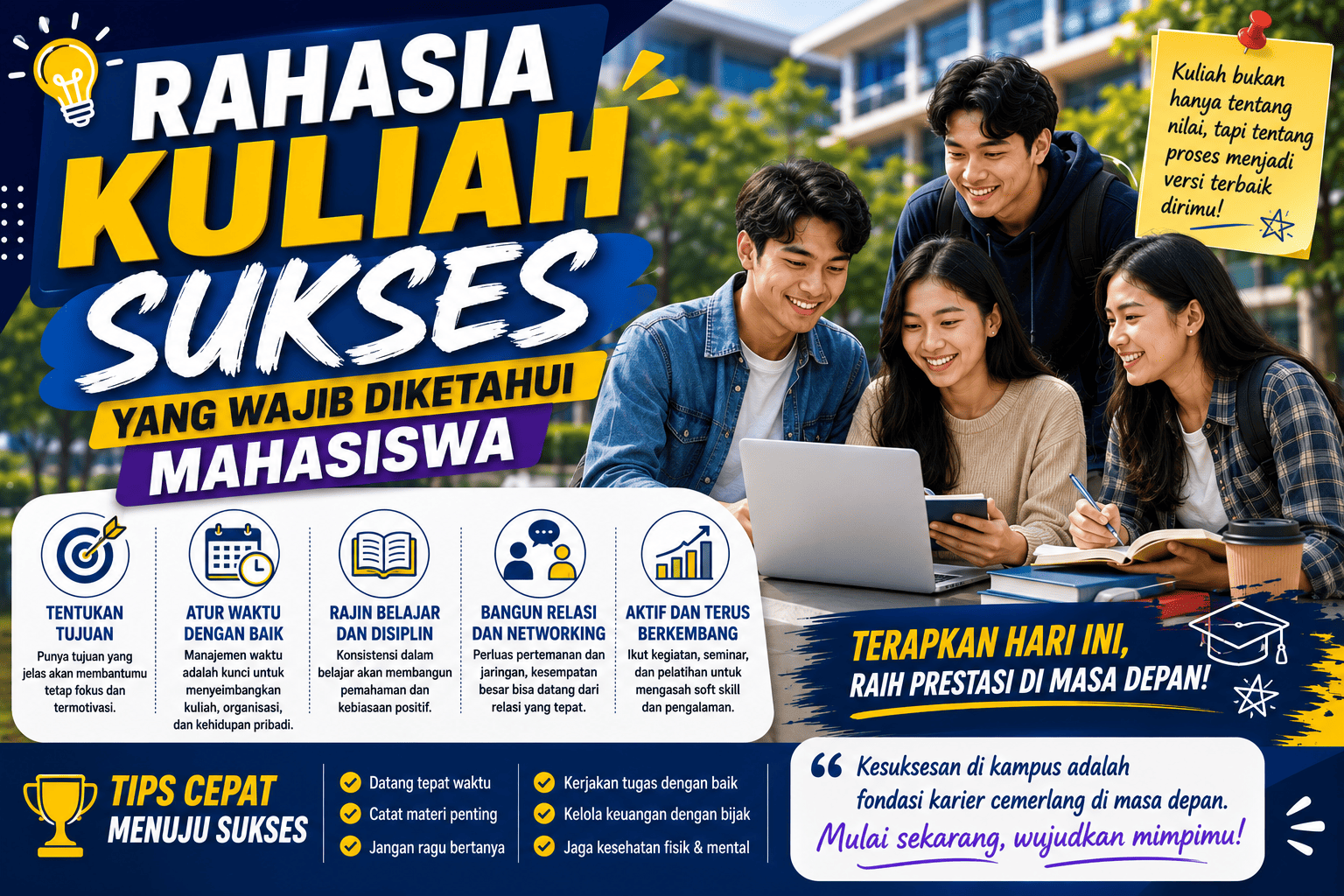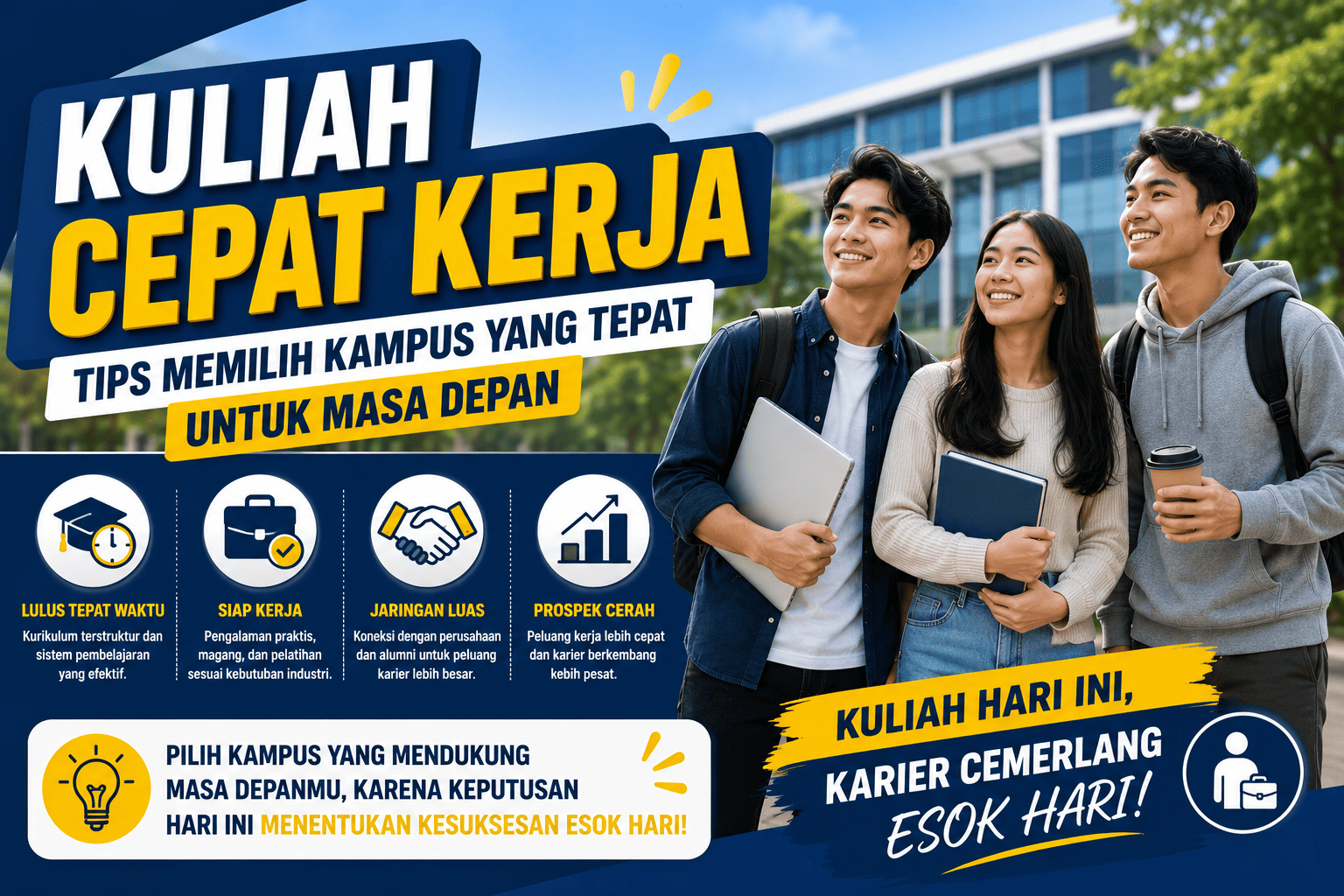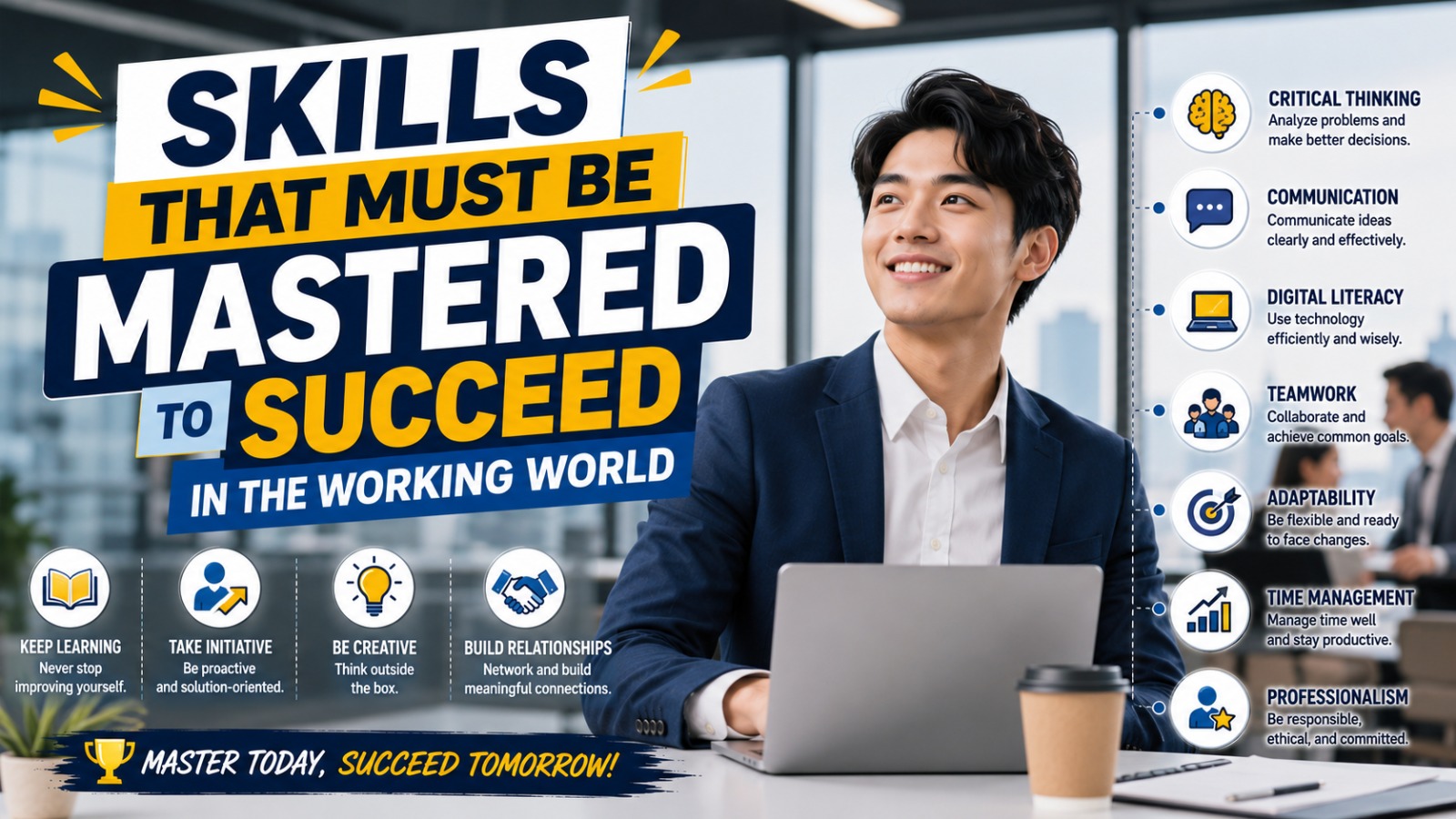
Success in the working world is not determined only by academic achievement or technical knowledge. In today’s competitive professional environment, employees are expected to have a combination of hard skills and soft skills that support productivity, teamwork, and career growth. People who continuously improve their abilities usually adapt more easily to workplace changes and challenges. Mastering essential skills can help individuals achieve better opportunities and long-term professional success.
COMMUNICATION SKILLS
Communication is one of the most important skills in every profession. Employees need to express ideas clearly, listen actively, and understand information accurately. Good communication helps avoid misunderstandings and improves collaboration among team members.
Strong communication skills are also useful during presentations, meetings, negotiations, and job interviews. Professionals who communicate effectively often build better relationships with coworkers, clients, and supervisors.
TEAMWORK AND COLLABORATION
Most companies require employees to work together in teams. Being able to collaborate with people from different backgrounds and personalities is essential for achieving organizational goals.
Teamwork skills include respecting opinions, sharing responsibilities, solving conflicts professionally, and supporting colleagues. Employees who can work well in teams are usually considered more valuable and reliable in the workplace.
PROBLEM-SOLVING ABILITY
Challenges and unexpected situations are common in professional environments. Employees who can analyze problems and find effective solutions are highly appreciated by employers.
Problem-solving skills involve critical thinking, creativity, decision-making, and adaptability. Individuals who remain calm under pressure and focus on finding solutions often perform better in difficult situations.
TIME MANAGEMENT
Managing time effectively is a crucial skill for maintaining productivity and meeting deadlines. Employees often handle multiple tasks at the same time, so prioritizing responsibilities becomes very important.
Good time management helps individuals avoid stress, improve efficiency, and complete work with better quality. Professionals who manage time well are usually more disciplined and dependable.
LEADERSHIP SKILLS
Leadership is not only important for managers but also for employees at all levels. Leadership skills include taking initiative, motivating others, making decisions, and handling responsibilities confidently.
Employees with leadership qualities often become role models in the workplace and have greater opportunities for career advancement. Companies appreciate individuals who can guide teams and contribute positively to organizational growth.
ADAPTABILITY AND FLEXIBILITY
The working world continues to change because of technology, market trends, and business developments. Employees must be able to adapt quickly to new systems, environments, and challenges.
Adaptability shows that a person is open-minded and willing to learn. Flexible employees are usually more prepared to face uncertainty and remain productive in changing situations.
DIGITAL AND TECHNOLOGICAL SKILLS
Technology has become an important part of almost every industry. Understanding digital tools, software, and online communication platforms is now essential for professional success.
Employees who master technological skills can work more efficiently and stay competitive in the modern workplace. Learning new digital trends and tools can also improve career opportunities.
EMOTIONAL INTELLIGENCE
Emotional intelligence refers to the ability to understand and manage emotions effectively. This skill helps individuals maintain professionalism, build healthy relationships, and respond positively to workplace situations.
Employees with high emotional intelligence can handle stress better, communicate more effectively, and work well with others. This ability is especially valuable in teamwork and leadership roles.
CONTINUOUS LEARNING
Successful professionals understand the importance of lifelong learning. Industries continue to evolve, and employees who keep improving their knowledge and skills remain more relevant and competitive.
Taking courses, attending workshops, reading professional materials, and learning from experience are effective ways to support career development.
CONCLUSION
Mastering important skills is essential for achieving success in the working world. Communication, teamwork, leadership, adaptability, and technological abilities all contribute to professional growth and workplace performance. Individuals who continue learning and improving themselves will have stronger opportunities to build successful and long-lasting careers.
Tentang Penulis
Gusti Ayu Tita P
Penulis — Universitas STEKOM
Penulis aktif yang berfokus pada isu-isu akademik, teknologi pendidikan, dan pengembangan sumber daya manusia di lingkungan kampus.