Strategies For Researching Election Candidates Before Casting Your Vote
Gusti Ayu Tita P
9 Oktober 2026
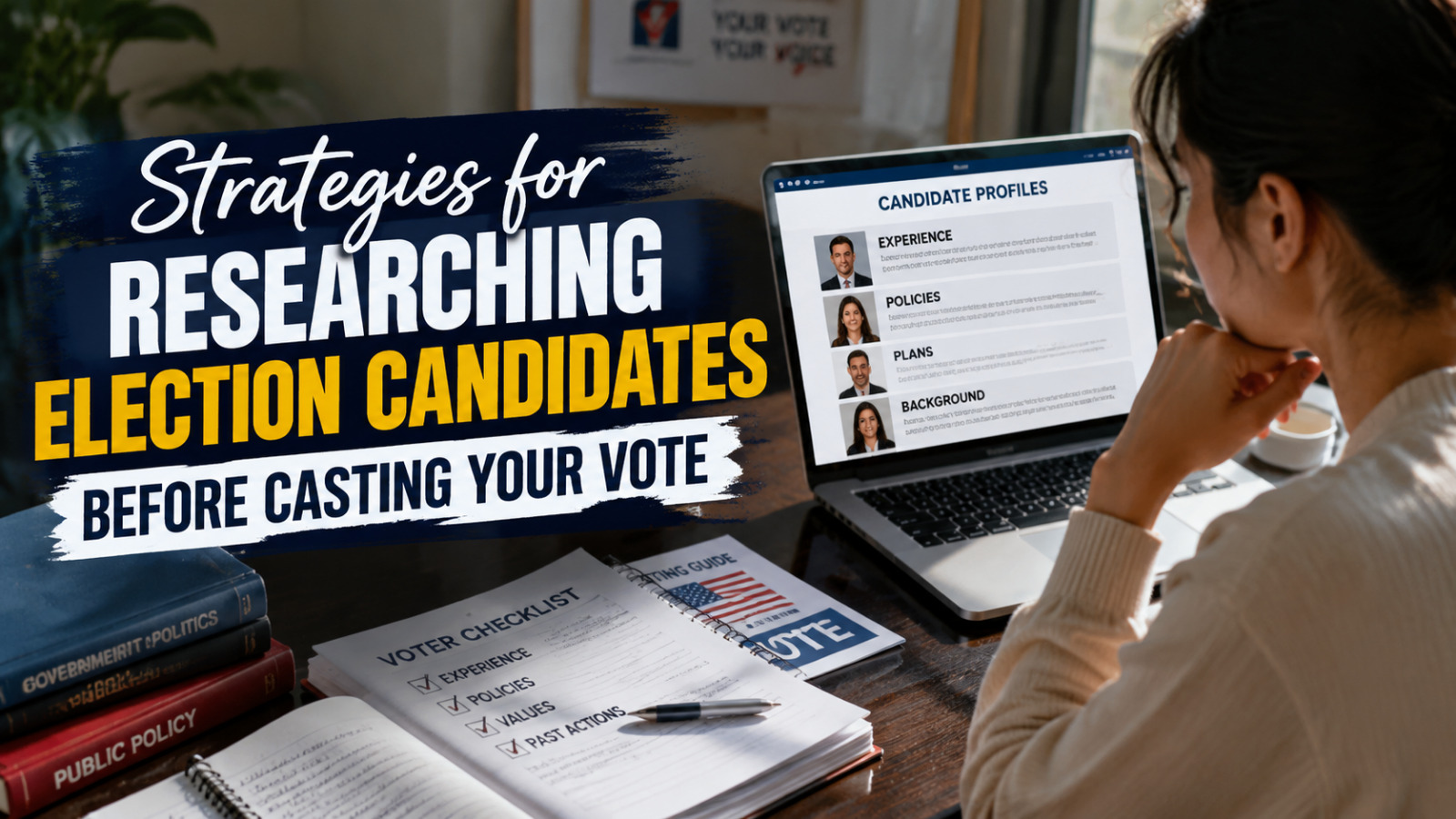
Researching election candidates before casting your vote is one of the most important steps toward becoming a responsible citizen. Many voters make decisions based on popularity, social media trends, or opinions from others without verifying the facts. However, candidate research allows you to understand each candidate's qualifications, vision, and ability to lead. By practicing informed voting, citizens can make voting decisions that support a stronger and more representative democracy.
LEARN ABOUT EACH CANDIDATE'S BACKGROUND
A good starting point is to study the background of every election candidate. Look at their education, professional experience, leadership history, achievements, and involvement in public service. This information helps voters understand whether a candidate has the knowledge and skills needed for the position they seek. Reviewing a candidate's background also reveals their commitment to serving the public.
Do not rely on a single source when gathering information. Compare details from official biographies, election commission publications, and trusted news organizations. Using multiple credible sources provides a more balanced understanding and reduces the risk of misinformation.
COMPARE POLICIES AND CAMPAIGN PROMISES
One of the most effective forms of candidate research is comparing policy proposals rather than personal popularity. Examine each candidate's plans for education, healthcare, economic development, employment, environmental protection, and public services. Strong policies should include realistic goals and practical solutions instead of vague promises.
Consider whether a candidate's proposals address the needs of your community and the country as a whole. Comparing policy platforms objectively helps citizens make better voting decisions. Informed voting is based on evidence, not emotions or campaign slogans.
VERIFY INFORMATION FROM TRUSTED SOURCES
The internet offers easy access to political information, but not everything online is accurate. False news, edited videos, and misleading headlines can influence public opinion. Before believing or sharing political content, verify it through official election authorities, reputable media organizations, and fact-checking services. Reliable information is essential for making responsible voting choices.
Avoid relying only on viral posts or anonymous social media accounts. Check publication dates, original sources, and supporting evidence for every important claim. Developing strong political awareness helps voters recognize misinformation and avoid manipulation.
FOLLOW PUBLIC DEBATES AND INTERVIEWS
Public debates and candidate interviews provide valuable opportunities to evaluate leadership skills and communication abilities. Listening directly to candidates allows voters to understand their priorities, problem-solving approaches, and responses to important national issues. Debates also reveal how candidates handle criticism and explain their policies.
Take notes while watching debates and compare the answers given by different candidates. Focus on the quality of ideas rather than speaking style alone. Careful observation supports objective candidate research and encourages thoughtful decision-making.
MAKE YOUR DECISION BASED ON FACTS
After collecting enough information, evaluate every candidate fairly before making your final choice. Avoid making decisions because of peer pressure, family influence, or temporary emotions. Instead, consider which candidate demonstrates integrity, competence, transparency, and commitment to public service. Responsible voting decisions are built on careful analysis and verified facts.
Remember that democracy becomes stronger when citizens vote based on knowledge rather than assumptions. Every informed voter contributes to better governance and greater public accountability. Practicing informed voting benefits both individuals and society.
CONCLUSION
Researching election candidates before casting your vote is an essential responsibility for every citizen. By studying candidates' backgrounds, comparing policy proposals, verifying information, following public debates, and making evidence-based voting decisions, voters can participate confidently in elections. Strong political awareness and thorough candidate research help create a more informed electorate and strengthen democratic institutions. Every well-informed vote contributes to a fairer, more accountable, and more representative democracy.
Tentang Penulis
Gusti Ayu Tita P
Penulis — Universitas STEKOM
Penulis aktif yang berfokus pada isu-isu akademik, teknologi pendidikan, dan pengembangan sumber daya manusia di lingkungan kampus.