Strategies to Increase Public Participation in Elections
Gusti Ayu Tita P
10 Oktober 2026
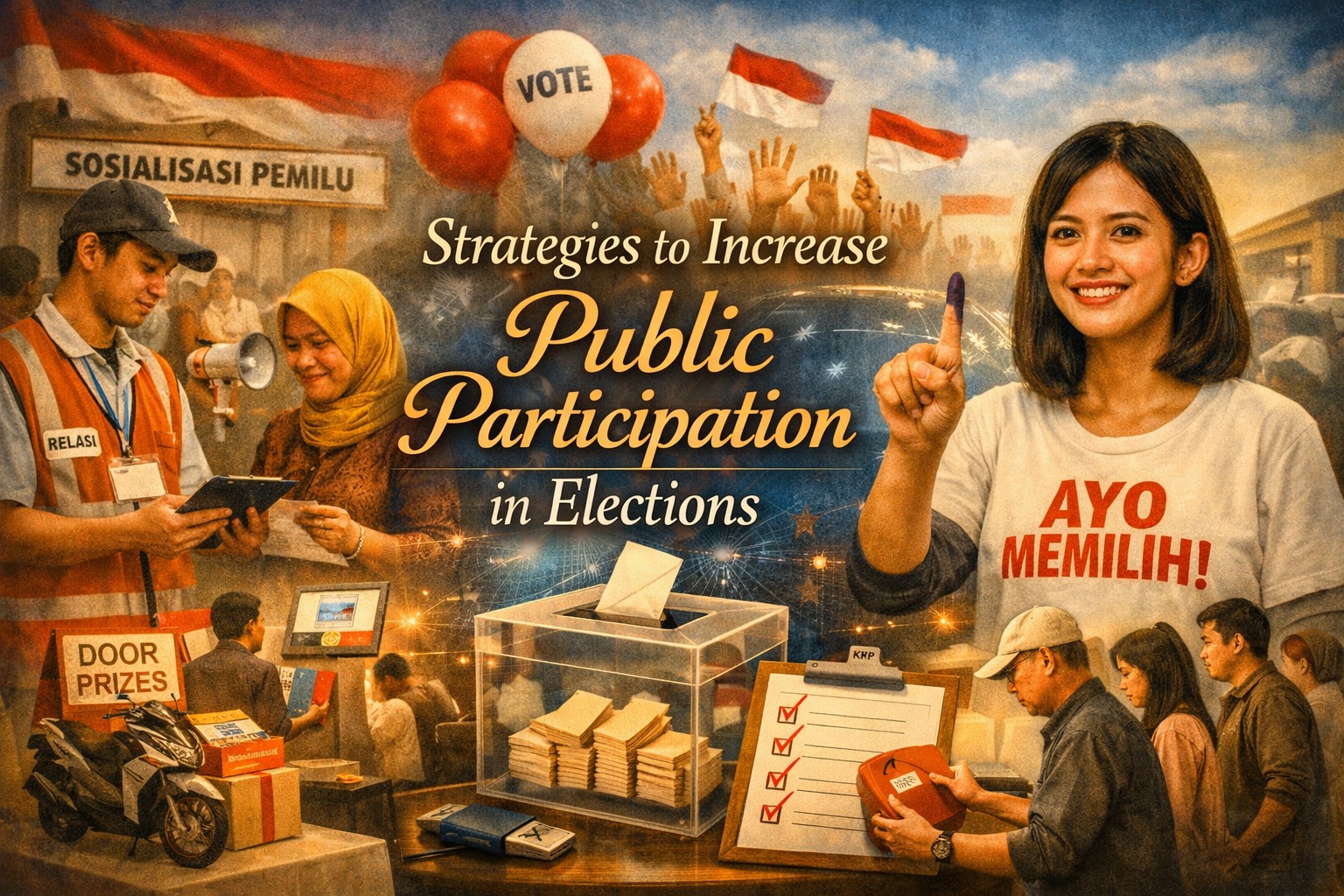
Public participation is one of the strongest foundations of a healthy democracy. When more citizens take part in elections, the results better represent the will of the people and strengthen the legitimacy of elected leaders. High voter turnout also encourages governments to become more accountable, transparent, and responsive to public needs. Therefore, increasing election participation should be a shared responsibility among governments, election authorities, educational institutions, community organizations, and citizens.
In many countries, voter participation is influenced by factors such as political awareness, access to information, trust in public institutions, and the convenience of the voting process. By implementing effective strategies, communities can encourage more people to vote and contribute to stronger democratic governance.
IMPROVE CIVIC EDUCATION
Civic education is one of the most effective ways to increase election participation. Citizens who understand the importance of elections are more likely to vote responsibly and participate actively in democratic processes. Educational programs should explain voting rights, election procedures, and the impact of elections on everyday life. This knowledge helps people recognize that every vote contributes to shaping the nation's future.
Schools, universities, and community organizations can organize workshops, seminars, and public discussions to strengthen political awareness. Educational campaigns should also target first-time voters by providing clear and practical information. Better civic education creates informed citizens who are confident about participating in elections.
EXPAND ACCESS TO RELIABLE INFORMATION
Providing accurate information allows citizens to make informed voting decisions. Election authorities and trusted media organizations should distribute clear information about candidate registration, voting schedules, polling locations, and election regulations. Easy access to factual information reduces confusion and encourages greater public participation. Reliable communication also strengthens trust in the electoral process.
In addition, governments and election commissions should actively combat misinformation by promoting fact-checking initiatives. Citizens should be encouraged to verify political information before sharing it online. Access to trustworthy information helps create fair and transparent elections.
USE DIGITAL TECHNOLOGY RESPONSIBLY
Digital technology offers new opportunities to increase voter engagement. Official websites, mobile applications, and social media platforms can provide election updates, voter education materials, and reminders about important election dates. These digital tools make election information more accessible, especially for younger voters who frequently use online platforms. Technology can also improve communication between election authorities and the public.
However, digital platforms should be used responsibly to prevent the spread of misinformation. Citizens need strong digital literacy skills to identify reliable sources and avoid misleading content. Responsible use of technology strengthens election integrity and encourages informed participation.
ENCOURAGE COMMUNITY INVOLVEMENT
Local communities play an important role in increasing voter participation. Community leaders, nonprofit organizations, youth groups, and religious institutions can organize awareness campaigns that encourage citizens to vote. Public discussions, educational events, and volunteer activities create opportunities for people to learn more about the importance of democratic participation. Community support often motivates individuals who may otherwise choose not to vote.
Family members and friends also influence voting behavior. Encouraging respectful conversations about elections helps create a culture of civic responsibility. Positive community engagement inspires greater confidence in democratic processes.
BUILD PUBLIC TRUST IN ELECTIONS
People are more likely to vote when they trust that elections are fair, transparent, and secure. Election authorities should ensure that voting procedures are conducted honestly and professionally. Transparent vote counting, independent election monitoring, and equal treatment of all candidates strengthen public confidence. A trustworthy electoral system encourages higher voter turnout.
Governments should also enforce laws against electoral violations such as vote buying, intimidation, and fraud. Strong legal protection reinforces the credibility of elections and demonstrates a commitment to democratic principles. Public trust remains one of the most important factors in increasing election participation.
REMOVE BARRIERS TO VOTING
Reducing practical obstacles makes elections more accessible to all eligible citizens. Governments should improve voting accessibility by providing sufficient polling stations, clear voting instructions, and convenient voting hours. Special assistance should also be available for elderly voters and individuals with disabilities. These efforts help ensure equal participation opportunities.
Simplifying voter registration procedures and increasing public awareness about election requirements can further improve participation rates. When voting becomes easier and more accessible, more citizens are encouraged to exercise their democratic rights.
CONCLUSION
Increasing public participation in elections is essential for building a stronger and more representative democracy. Effective strategies such as improving civic education, expanding access to reliable information, promoting responsible digital technology, encouraging community involvement, strengthening public trust, and removing voting barriers all contribute to higher voter turnout. Every citizen has an important role in supporting democratic values.
By participating actively and making informed decisions, voters help elect leaders who genuinely represent the interests of the people. Strong public participation creates more accountable governments, enhances democratic stability, and supports sustainable national development for future generations.
Tentang Penulis
Gusti Ayu Tita P
Penulis — Universitas STEKOM
Penulis aktif yang berfokus pada isu-isu akademik, teknologi pendidikan, dan pengembangan sumber daya manusia di lingkungan kampus.