Technology Adaptation and Problem-Solving Skills in the Age of Automation
Gusti Ayu Tita P
24 Februari 2026
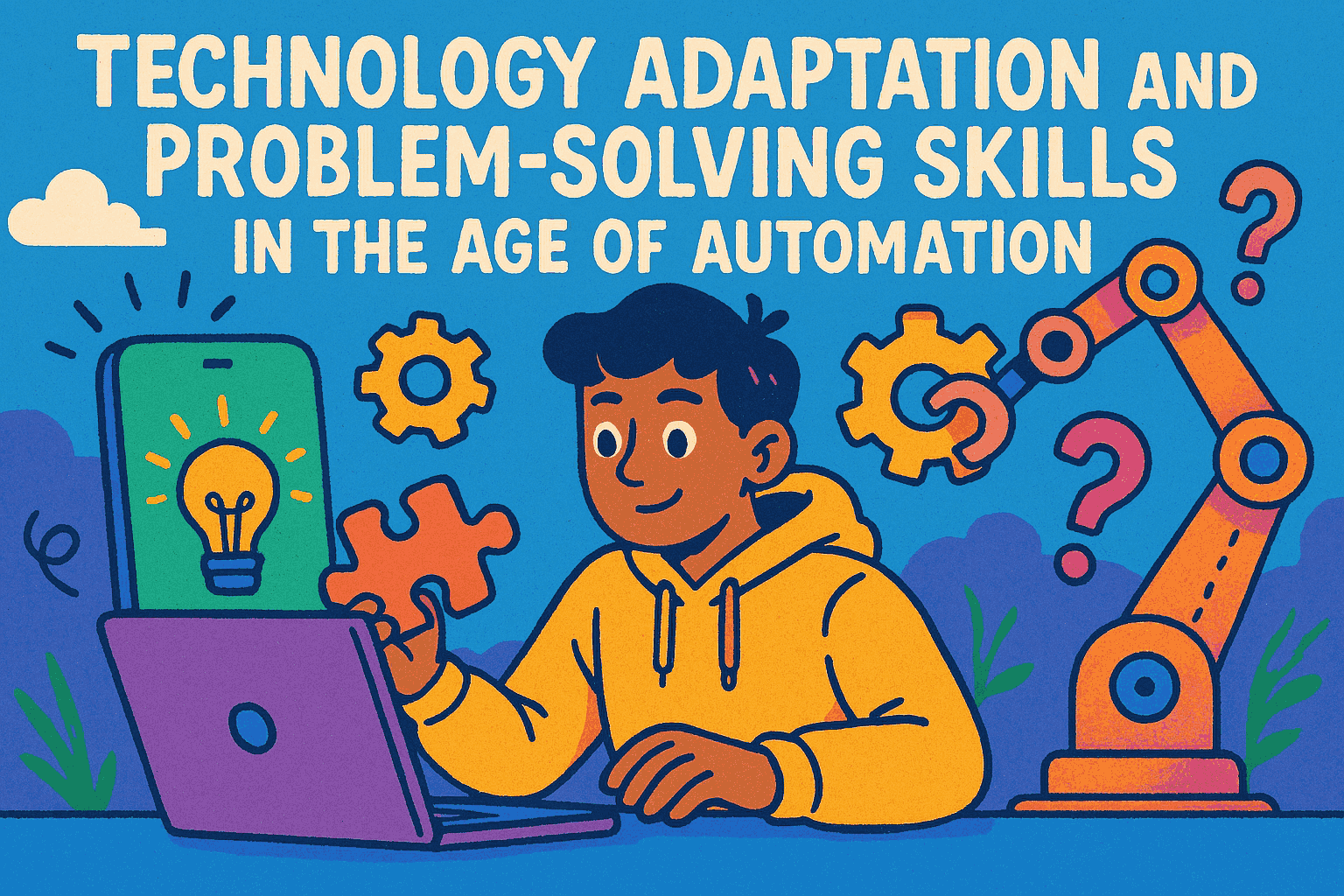
The rapid development of automation has significantly transformed the way industries operate around the world. Machines, artificial intelligence, and advanced software systems are increasingly taking over repetitive and routine tasks. In this changing landscape, the ability to adapt to technology and solve complex problems has become more important than ever. Rather than replacing humans entirely, automation shifts the focus toward skills that machines cannot easily replicate.
Technology adaptation refers to the ability to understand, learn, and effectively use new digital tools and systems. As technology continues to evolve, employees are expected to quickly adjust to updated platforms, software, and working methods. Those who are flexible and open to learning new systems will have a competitive advantage in the job market.
The Importance of Adaptability in a Rapidly Changing Workplace
In the age of automation, change happens quickly. New tools and digital systems are introduced to improve efficiency and productivity. Employees who resist change may struggle to keep up with industry demands. Therefore, adaptability is not just an additional skill but a necessity.
Being adaptable means having a growth mindset. Individuals must be willing to continuously learn, upgrade their digital skills, and embrace innovation. Training programs, online courses, and self-learning platforms can help students and professionals stay updated with technological trends. The ability to adapt ensures that individuals remain relevant and valuable in their respective fields.
Problem-Solving as a Core Human Skill
While machines can process data quickly, they still rely on human input for decision-making in complex situations. This is where problem-solving skills become essential. Problem-solving involves analyzing situations, identifying challenges, evaluating possible solutions, and making effective decisions.
In automated workplaces, employees are often required to handle unexpected technical issues, system errors, or strategic challenges. Strong critical thinking and analytical skills enable individuals to find creative solutions that technology alone cannot provide. Employers highly value workers who can think independently and resolve problems efficiently.
Preparing for the Future of Work
Students and young professionals should begin developing technology adaptation and problem-solving skills early. Participating in digital projects, learning basic coding, exploring data analysis, and engaging in teamwork activities can strengthen these abilities. Moreover, practicing logical thinking and decision-making in daily life also contributes to stronger problem-solving competence.
In conclusion, automation does not eliminate the need for human workers; instead, it redefines the skills required for success. Those who are adaptable, technologically literate, and capable of solving complex problems will thrive in the modern workforce. By embracing continuous learning and innovation, individuals can confidently face the challenges of the automated future.
Tentang Penulis
Gusti Ayu Tita P
Penulis — Universitas STEKOM
Penulis aktif yang berfokus pada isu-isu akademik, teknologi pendidikan, dan pengembangan sumber daya manusia di lingkungan kampus.