The Benefits of Decentralization for Sustainable Regional Development
Gusti Ayu Tita P
4 Oktober 2026
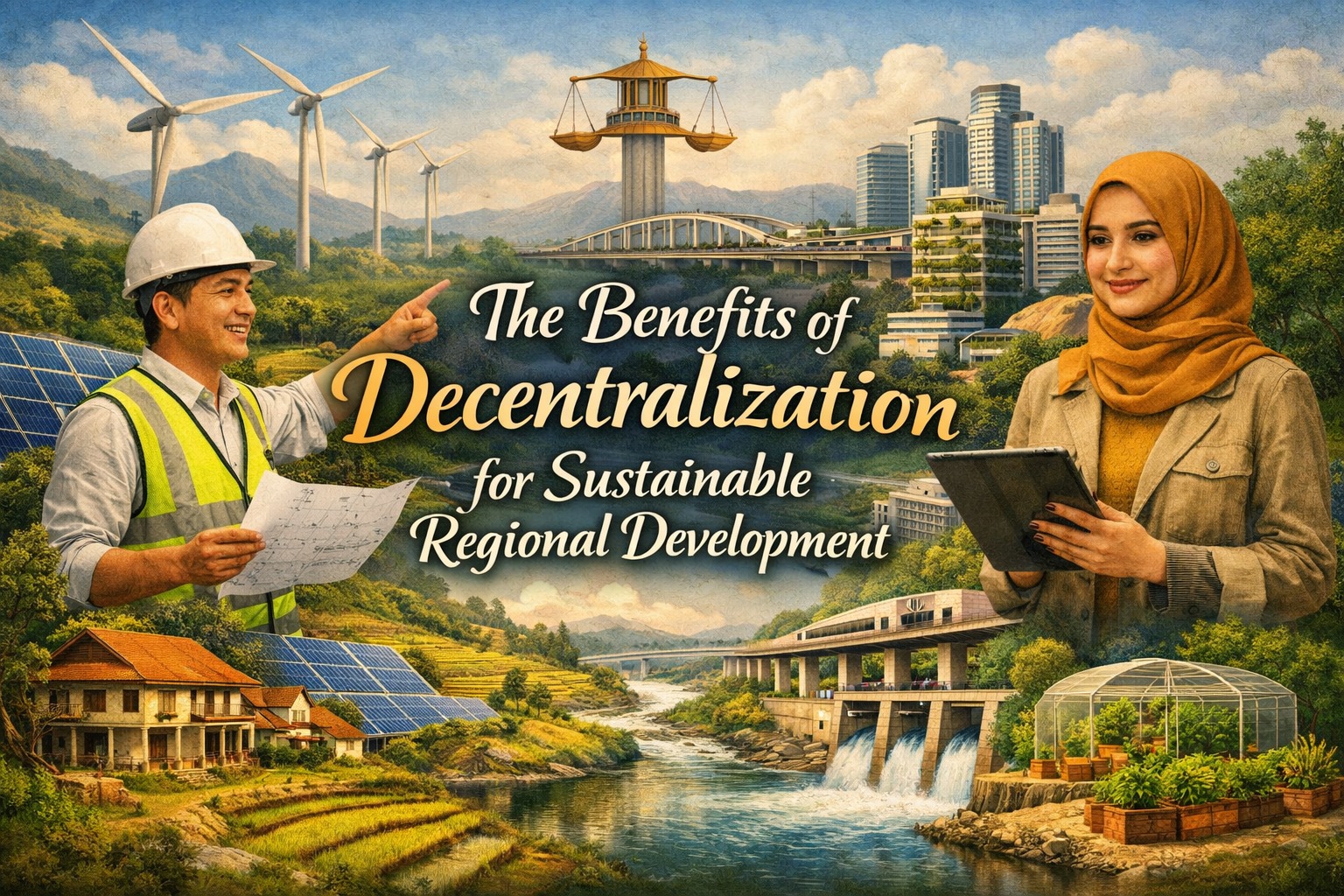
Decentralization is an important governance approach that transfers certain responsibilities and decision-making authority from the central government to regional or local governments. This system enables local authorities to better understand the needs of their communities and implement policies that match regional priorities. As a result, decentralization plays a significant role in promoting sustainable regional development, improving public services, and encouraging economic growth.
In today's rapidly changing world, every region faces unique challenges and opportunities. Through effective decentralization, local governments can respond more quickly to local issues while encouraging greater community participation. This approach creates a stronger foundation for long-term development that benefits both the economy and society.
UNDERSTANDING DECENTRALIZATION AND ITS PURPOSE
Decentralization refers to the distribution of administrative, political, and financial authority from the national government to regional governments. The main objective is to improve government efficiency by allowing local leaders to make decisions based on regional conditions and priorities. This system helps ensure that development programs address real community needs rather than relying on a one-size-fits-all approach.
Another important purpose of decentralization is to strengthen local governance. Regional governments gain greater responsibility for planning, implementing, and evaluating development programs. This authority allows them to maximize local resources while promoting innovation and accountability.
SUPPORTING SUSTAINABLE REGIONAL DEVELOPMENT
One of the greatest advantages of decentralization is its ability to support sustainable development. Local governments understand their environmental, social, and economic conditions better than central authorities. This knowledge enables them to design development strategies that balance economic growth with environmental protection and social welfare.
Sustainable regional development also encourages the efficient use of natural and human resources. By focusing on local strengths, governments can create long-term economic opportunities while preserving resources for future generations. This balanced approach contributes to stronger and more resilient communities.
IMPROVING PUBLIC SERVICES
A key benefit of decentralization is the improvement of public services. Because local governments are closer to citizens, they can identify community needs more accurately and respond more quickly. This leads to better healthcare, education, transportation, and administrative services.
Furthermore, decentralization encourages innovation in public service delivery. Regional governments can introduce digital systems, simplify administrative procedures, and develop creative solutions that improve service quality. These improvements increase public satisfaction and strengthen trust in government institutions.
BOOSTING LOCAL ECONOMIC GROWTH
Decentralization creates opportunities for regional governments to develop their local economies. They can promote industries that match local strengths, such as agriculture, tourism, fisheries, manufacturing, or creative businesses. By focusing on regional potential, local economies become more competitive and sustainable.
In addition, local governments can attract investments by improving infrastructure and creating business-friendly regulations. Increased investment generates new jobs, supports entrepreneurship, and improves the overall quality of life for local communities.
ENCOURAGING COMMUNITY PARTICIPATION
Successful regional development depends on active community involvement. Decentralization provides citizens with greater opportunities to participate in planning, implementing, and monitoring development programs. Their opinions and ideas help governments design policies that truly address local needs.
Community participation also strengthens transparency and accountability. When citizens are actively involved in decision-making, governments become more responsible for their actions. This collaborative relationship creates stronger public trust and contributes to sustainable development.
CHALLENGES IN IMPLEMENTING DECENTRALIZATION
Although decentralization offers many benefits, its implementation also presents several challenges. Some regions still face limited financial resources, inadequate infrastructure, and shortages of skilled professionals. These differences can affect the quality of public services and development outcomes.
Another challenge is maintaining strong coordination between central and regional governments. Effective communication, clear regulations, and continuous capacity building are essential to ensure that decentralization achieves its intended goals while maintaining national development priorities.
CONCLUSION
Decentralization plays a vital role in achieving sustainable regional development by empowering local governments to make better decisions based on regional needs. It improves public services, supports economic growth, strengthens community participation, and promotes responsible governance.
To maximize these benefits, governments should continue improving local capacity, encouraging innovation, investing in digital transformation, and maintaining close cooperation between national and regional authorities. With effective implementation, decentralization can become a powerful tool for building prosperous, resilient, and sustainable regions.
Tentang Penulis
Gusti Ayu Tita P
Penulis — Universitas STEKOM
Penulis aktif yang berfokus pada isu-isu akademik, teknologi pendidikan, dan pengembangan sumber daya manusia di lingkungan kampus.