The Future of Digital Education Through Hybrid Learning Systems
Gusti Ayu Tita P
26 Juni 2026
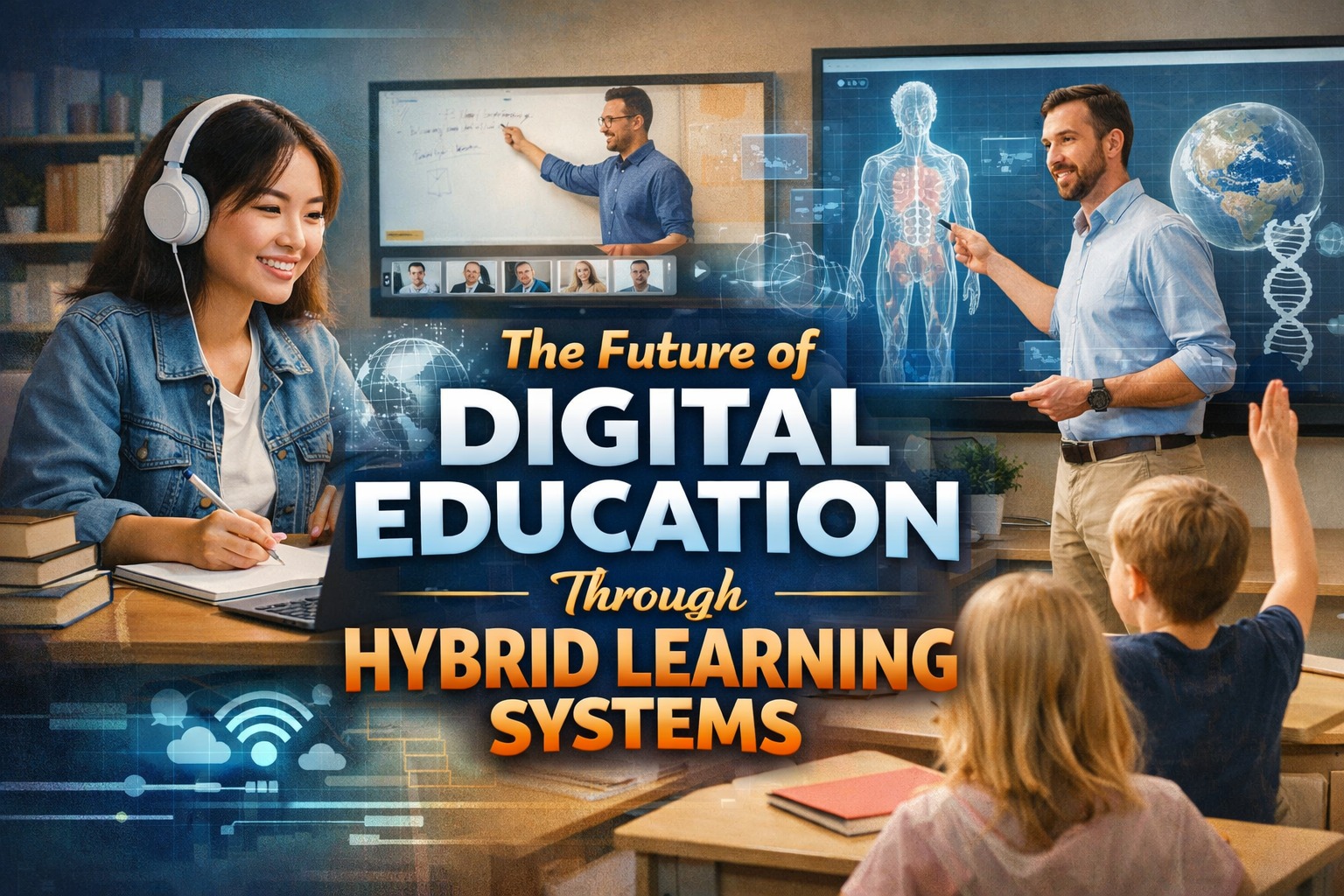
The rapid advancement of technology has transformed many aspects of modern life, including education. Traditional classroom learning is no longer the only option for students to gain knowledge and develop skills. Today, educational institutions are increasingly adopting hybrid learning systems, a model that combines face-to-face instruction with online learning experiences. This approach is becoming a significant part of the future of digital education because it offers greater flexibility, accessibility, and efficiency for both students and educators.
UNDERSTANDING HYBRID LEARNING SYSTEMS
A hybrid learning system combines in-person classroom activities with digital learning platforms. Students can participate in lessons physically on campus while also accessing learning materials, assignments, and discussions online. This combination creates a more flexible learning environment that supports different learning preferences and schedules.
The growing popularity of hybrid learning is driven by the increasing availability of digital tools and internet access. Educational institutions recognize that students benefit from having multiple ways to engage with course content. As a result, hybrid learning has become an effective solution for modern education challenges while maintaining academic quality.
WHY HYBRID LEARNING REPRESENTS THE FUTURE OF EDUCATION
One of the main reasons hybrid learning is shaping the future of education is its ability to provide flexibility. Students can access lectures, recordings, and educational resources anytime and anywhere. This flexibility allows learners to balance their studies with work, family responsibilities, and personal commitments more effectively.
In addition, hybrid learning supports continuous learning beyond classroom walls. Students can revisit recorded lessons, participate in online discussions, and access updated materials whenever needed. This creates a more personalized learning experience that helps improve understanding and long-term knowledge retention.
BENEFITS OF DIGITAL EDUCATION THROUGH HYBRID LEARNING
Hybrid learning offers several advantages that contribute to better educational outcomes. One major benefit is improved accessibility, allowing students from different locations to participate in quality education without needing to travel regularly. This helps reduce geographical barriers and creates more equal learning opportunities.
Another important advantage is increased student engagement. Digital tools such as interactive quizzes, virtual discussions, and multimedia content make learning more dynamic and interesting. These features encourage active participation and help students stay motivated throughout their educational journey.
THE ROLE OF TECHNOLOGY IN HYBRID EDUCATION
Technology serves as the foundation of successful hybrid learning systems. Learning management systems, video conferencing platforms, cloud storage, and collaboration tools enable seamless communication between students and instructors. These technologies make it easier to organize coursework, track progress, and provide timely feedback.
Furthermore, emerging technologies such as artificial intelligence, data analytics, and virtual reality are enhancing digital education experiences. These innovations can personalize learning paths, identify student needs, and create immersive educational environments that improve learning effectiveness.
CHALLENGES THAT MUST BE ADDRESSED
Despite its many advantages, hybrid learning also presents several challenges. Reliable internet access remains a concern in some regions, limiting students' ability to participate fully in online activities. Educational institutions must continue investing in digital infrastructure to ensure equal opportunities for all learners.
Another challenge involves maintaining student engagement and self-discipline. Because part of the learning process occurs independently, students need strong time-management skills and personal responsibility. Educators can help by creating structured learning plans and providing regular support throughout the course.
THE FUTURE OUTLOOK OF HYBRID LEARNING
The future of digital education will likely be strongly influenced by hybrid learning systems. As technology continues to evolve, educational experiences will become more interactive, personalized, and accessible. Schools, universities, and training organizations are expected to integrate more advanced digital solutions into their teaching methods.
In the coming years, hybrid learning may become the standard model for education rather than an alternative option. By combining the strengths of traditional teaching and digital innovation, this system can prepare learners for the demands of a rapidly changing world while promoting lifelong learning opportunities.
CONCLUSION
Hybrid learning systems are transforming the educational landscape by combining the best aspects of traditional and online learning. Their ability to provide flexibility, accessibility, engagement, and personalized learning experiences makes them a powerful solution for the future of digital education. Although challenges remain, continued technological advancements and educational innovation will further strengthen hybrid learning models. As a result, hybrid learning is expected to play a central role in shaping the future of education worldwide.
Tentang Penulis
Gusti Ayu Tita P
Penulis — Universitas STEKOM
Penulis aktif yang berfokus pada isu-isu akademik, teknologi pendidikan, dan pengembangan sumber daya manusia di lingkungan kampus.