The History of the Olympics from Ancient Times to the Modern Era
Gusti Ayu Tita P
9 Oktober 2026
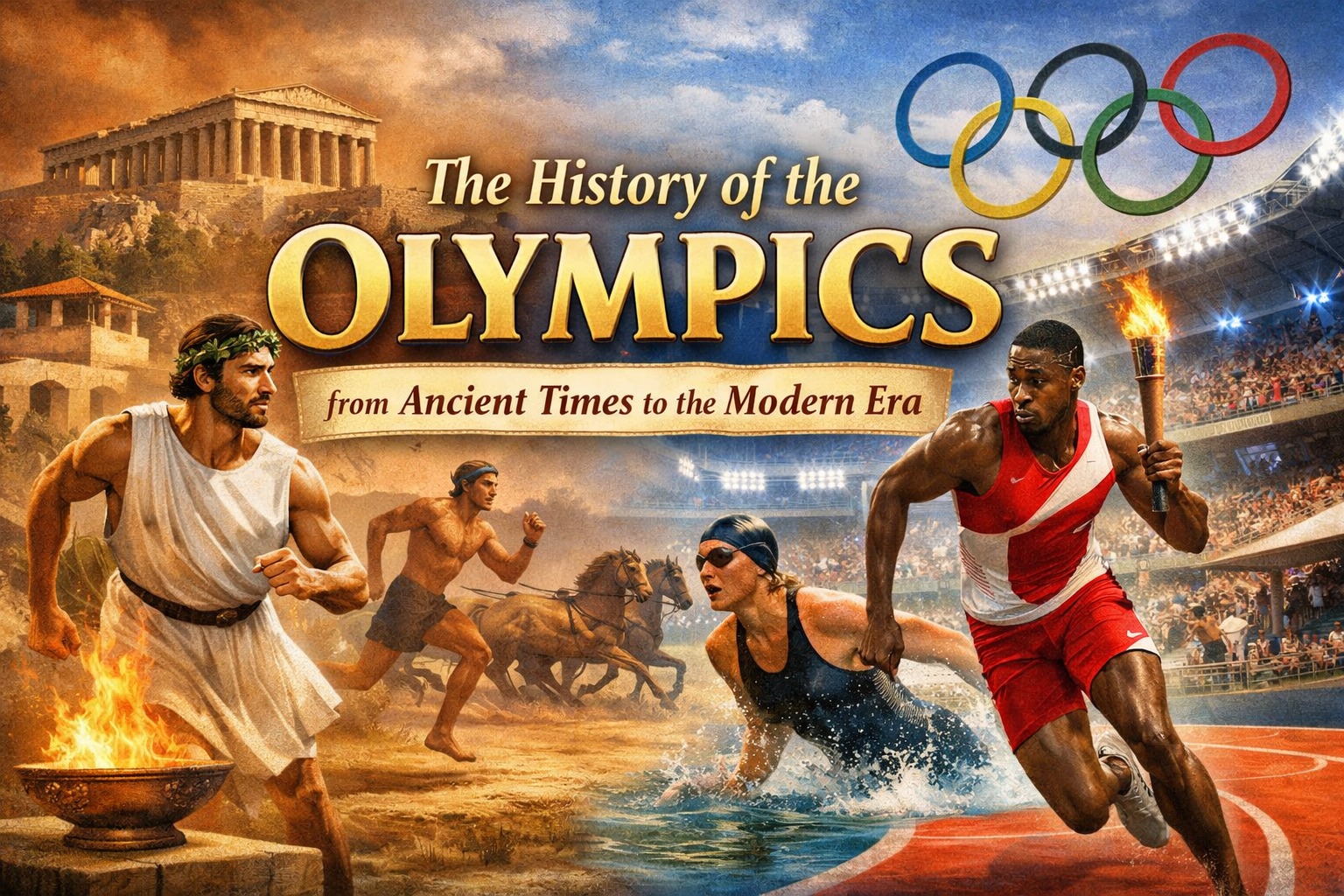
The Olympic Games began more than 2,700 years ago in the ancient city of Olympia in Greece. Historians believe the first official Olympic Games were held in 776 BC as part of a religious festival honoring Zeus, the king of the Greek gods. Athletes from different Greek city-states traveled to Olympia to compete and demonstrate their physical abilities. The games quickly became one of the most important cultural events in ancient Greece. Winning an event brought great honor not only to the athlete but also to their hometown.
During the competition period, a special Olympic Truce was declared to allow athletes and spectators to travel safely. Early Olympic events included running races, wrestling, boxing, chariot racing, and the pentathlon. Only free Greek men were allowed to participate in the competitions. Women were generally excluded from competing and even from watching certain events. These traditions reflected the social and cultural values of ancient Greek society at that time.
THE IMPORTANCE OF THE ANCIENT OLYMPIC GAMES
The ancient Olympics were more than just sports competitions. They served as a symbol of unity, peace, and shared identity among the often-conflicting Greek city-states. The games provided an opportunity for people from different regions to gather and celebrate together. Religious ceremonies and sacrifices were also an important part of the event. This combination of sports and culture made the Olympics unique in the ancient world.
Victorious athletes received olive wreaths instead of money or material prizes. Despite the lack of financial rewards, champions became highly respected figures in their communities. Poets wrote about their achievements, and statues were sometimes built in their honor. The fame associated with Olympic victory often lasted a lifetime. As a result, many athletes devoted years to training for the chance to compete.
THE DECLINE AND END OF THE ANCIENT OLYMPICS
The Olympic Games continued for nearly twelve centuries, surviving political and social changes across the Greek world. When the Roman Empire gained control over Greece, the games remained popular for several centuries. However, the original religious significance of the Olympics gradually weakened over time. Interest in the competitions also declined as new forms of entertainment became more common. The once-celebrated festival slowly lost its influence.
In 393 AD, the Roman Emperor Theodosius I banned pagan religious festivals, including the Olympic Games. This decision marked the official end of the ancient Olympics after more than a thousand years of history. The site of Olympia eventually fell into ruin and was buried by earthquakes and floods. For many centuries, the Olympics existed only in historical records and legends. The world would wait almost 1,500 years for their return.
THE REVIVAL OF THE OLYMPICS IN THE MODERN ERA
The modern Olympic movement began in the late nineteenth century thanks to the efforts of Pierre de Coubertin, a French educator who believed sports could promote international understanding. He proposed reviving the ancient Olympic tradition in a modern form that included athletes from around the world. His idea gained support from many countries and sports organizations. This led to the creation of the International Olympic Committee, commonly known as the IOC. The organization became responsible for managing the Olympic Games.
The first modern Olympics took place in Athens, Greece, in 1896. Athletes from fourteen countries participated in the event, competing in several sports disciplines. Although much smaller than today's Games, the event was considered a great success. It established the foundation for the global sporting festival that exists today. The revival marked the beginning of a new chapter in Olympic history.
THE GROWTH OF THE OLYMPICS INTO A GLOBAL EVENT
Throughout the twentieth century, the Olympic Games expanded rapidly in size and popularity. More countries joined the competition, and the number of sports increased significantly. The introduction of the Winter Olympics created opportunities for athletes competing in snow and ice sports. Advances in transportation and communication helped make the Games more accessible to participants and audiences worldwide. Television broadcasts transformed the Olympics into a truly global spectacle.
The Olympics also became a platform for promoting international friendship and cultural exchange. Athletes from different nations could meet and compete peacefully despite political differences. The participation of women increased dramatically, creating more opportunities for equality in sports. New technologies improved judging systems, athlete training, and event organization. Today, billions of people follow the Olympic Games from every corner of the world.
THE OLYMPICS IN THE TWENTY FIRST CENTURY
Modern Olympic Games continue to evolve to meet the expectations of a changing world. Organizers focus not only on athletic excellence but also on sustainability, innovation, and inclusiveness. New sports are regularly added to attract younger audiences and reflect global trends. Environmental considerations now play an important role in planning host cities and venues. These changes help keep the Olympics relevant for future generations.
Despite challenges such as political tensions, economic concerns, and global crises, the Olympics remain one of the most respected sporting events in history. The famous Olympic Rings symbolize the unity of continents and the spirit of international cooperation. Millions of athletes dream of representing their countries on the Olympic stage. The values of excellence, respect, and friendship continue to guide the movement. The Olympic story remains a powerful example of how sports can bring the world together.
CONCLUSION
The history of the Olympics is a remarkable journey from the sacred fields of ancient Olympia to the massive international competitions of today. What began as a local Greek festival eventually became the world's largest sporting event. The Olympics have survived centuries of change while preserving their core values of unity and excellence. Their enduring popularity proves the universal appeal of competition and human achievement. As the Games continue to evolve, their historical legacy will inspire future generations around the world.
Tentang Penulis
Gusti Ayu Tita P
Penulis — Universitas STEKOM
Penulis aktif yang berfokus pada isu-isu akademik, teknologi pendidikan, dan pengembangan sumber daya manusia di lingkungan kampus.