The Impact of Perfectionism on Student Mental Health
Gusti Ayu Tita P
19 Februari 2026
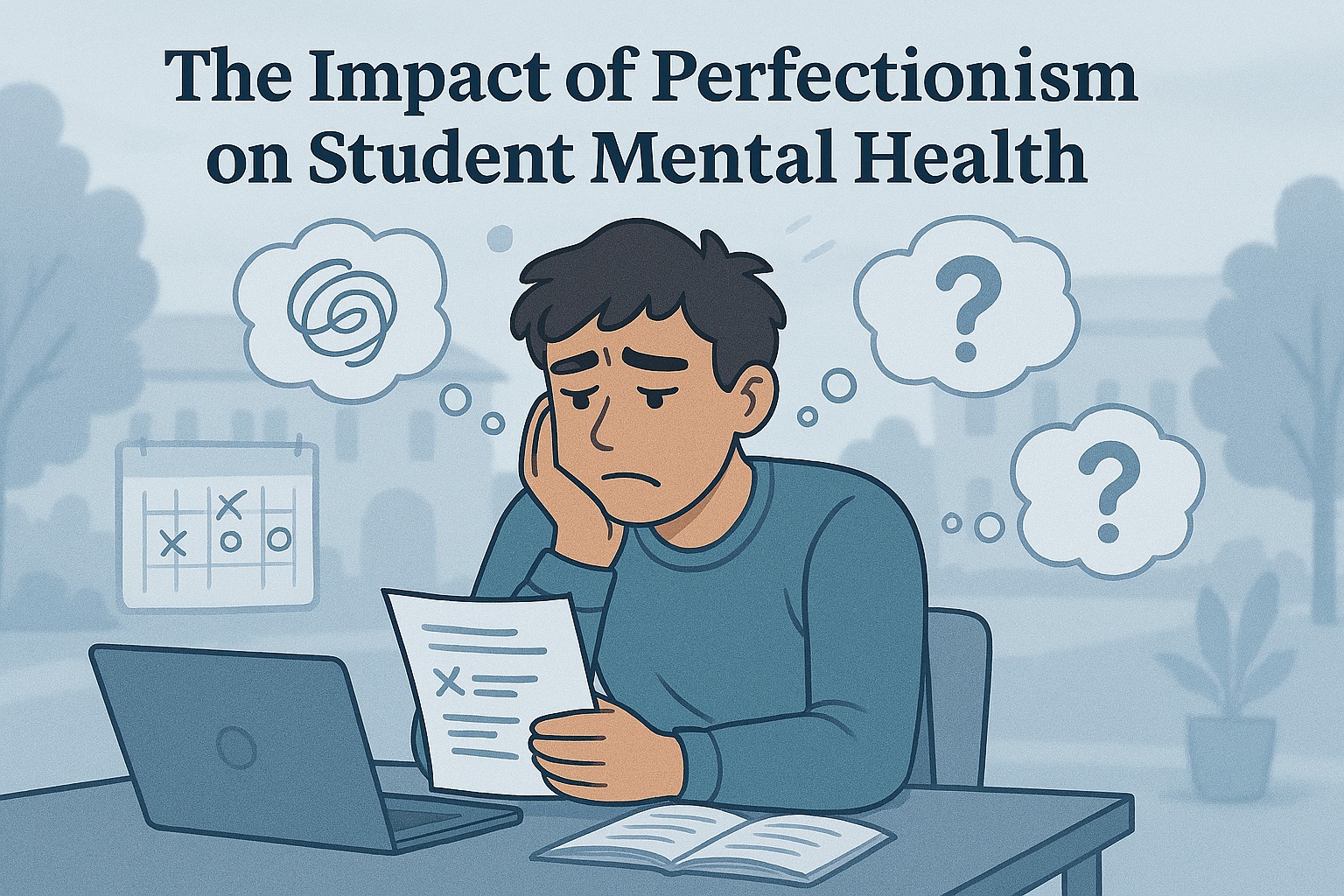
In academic culture, perfectionism is often praised as a sign of discipline and ambition. Students who aim high are seen as motivated and responsible. However, when perfectionism becomes excessive, it can quietly damage mental health. The constant pressure to perform flawlessly creates stress, anxiety, and emotional exhaustion that interfere with both learning and well-being. Understanding how perfectionism affects student mental health is essential for building healthier academic habits. When students learn to balance high standards with self-compassion, they protect both their performance and their psychological resilience.
UNDERSTANDING PERFECTIONISM IN STUDENT LIFE
Perfectionism is more than striving for excellence. It involves rigid expectations and self-criticism when outcomes fall short.
In academic settings, this mindset may appear as:
- Fear of making mistakes
- Constant comparison with peers
- Overworking minor details
- Difficulty feeling satisfied with results
While aiming for quality can motivate effort, excessive perfectionism transforms learning into pressure.
HOW PERFECTIONISM AFFECTS MENTAL HEALTH
When students tie their self-worth to academic performance, emotional strain increases. Several mental health challenges can develop:
CHRONIC STRESS
Persistent pressure to meet unrealistic standards keeps the body and mind in a constant state of tension.
PERFORMANCE ANXIETY
Fear of failure or criticism creates ongoing worry about evaluation.
SELF-CRITICISM
Harsh internal dialogue reduces confidence and emotional stability.
BURNOUT
Continuous effort without psychological recovery leads to exhaustion.
These effects accumulate, making academic life feel overwhelming rather than fulfilling.
THE EMOTIONAL CYCLE OF PERFECTIONISM
Perfectionism often follows a repeating pattern:
- Unrealistic expectations are set
- Fear of mistakes increases
- Stress rises during performance
- Self-criticism follows minor imperfections
This cycle reinforces anxiety and reduces emotional resilience over time.
SIGNS PERFECTIONISM IS HARMING MENTAL WELL-BEING
Students may overlook early warning signals.
Common signs include:
- Constant worry about grades
- Difficulty relaxing after tasks
- Fear of submitting work
- Emotional exhaustion
- Reduced enjoyment in learning
Recognizing these patterns allows students to intervene before stress escalates.
HEALTHY STRATEGIES TO PROTECT MENTAL HEALTH
Managing perfectionism does not require lowering standards — it requires flexibility and balance.
PRACTICE SELF-COMPASSION
Treat mistakes as learning opportunities, not failures.
SET REALISTIC EXPECTATIONS
Aim for progress rather than flawless outcomes.
TAKE STRUCTURED BREAKS
Mental recovery improves focus and resilience.
FOCUS ON PROCESS OVER RESULTS
Learning is more important than perfect performance.
These habits reduce pressure while maintaining motivation.
BUILDING A BALANCED ACADEMIC MINDSET
Students who thrive long term understand that excellence includes emotional well-being. Healthy achievement allows room for mistakes, reflection, and improvement. When perfectionism becomes guided rather than rigid, academic life becomes more sustainable and rewarding.
Confidence grows not from perfection, but from persistence and adaptability.
CONCLUSION
Perfectionism can silently erode student mental health by creating constant pressure, anxiety, and exhaustion. By recognizing its impact and adopting healthier habits, students can protect their well-being while continuing to pursue excellence. True academic success supports both achievement and mental balance.
Tentang Penulis
Gusti Ayu Tita P
Penulis — Universitas STEKOM
Penulis aktif yang berfokus pada isu-isu akademik, teknologi pendidikan, dan pengembangan sumber daya manusia di lingkungan kampus.