
The Important Role of Youth Red Cross in Building Humanitarian Values
Gusti Ayu Tita P
23 September 2026
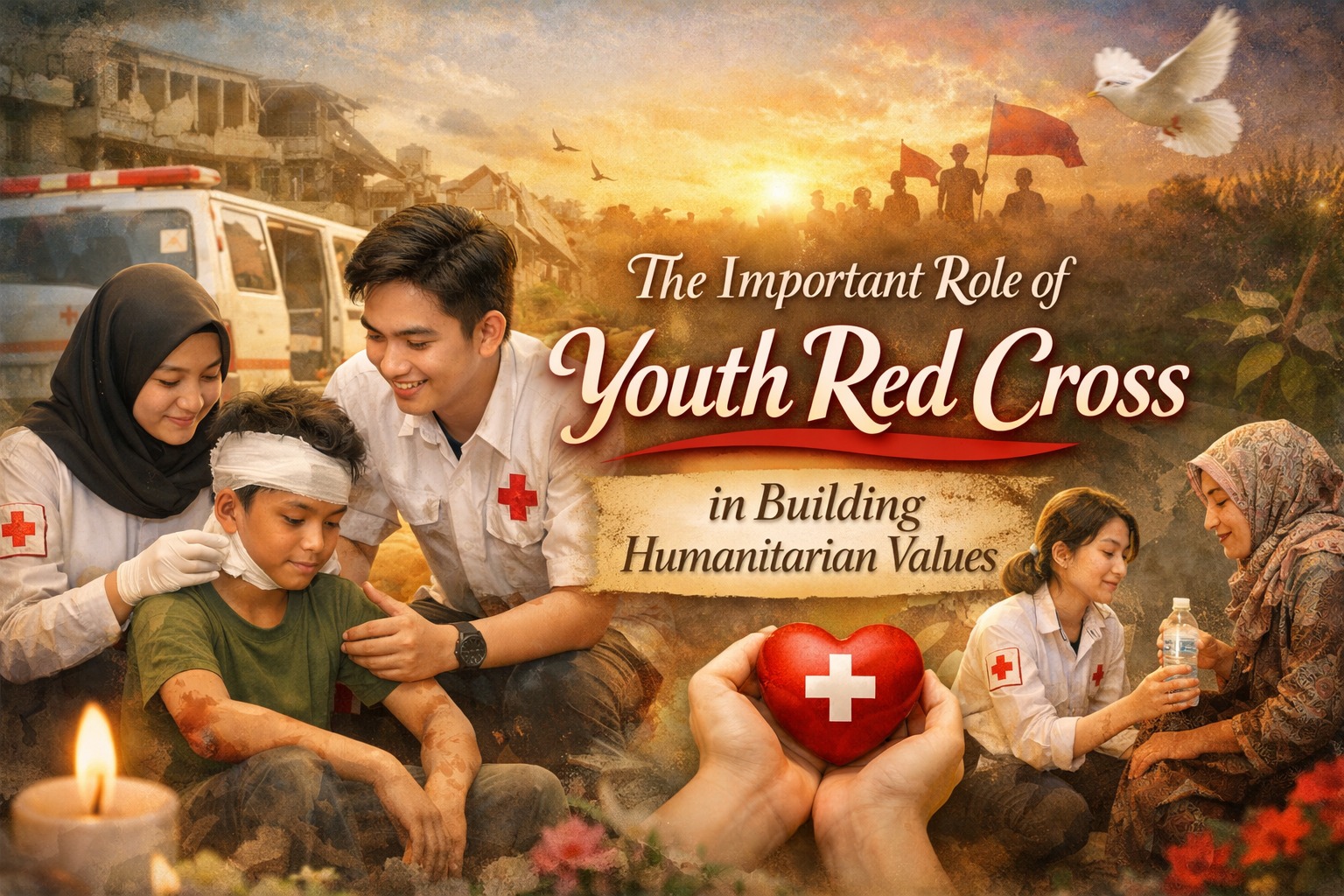
In today's rapidly changing world, young people are expected to develop not only academic knowledge but also strong moral character. One of the best organizations that helps achieve this goal is the Youth Red Cross (YRC). Through various humanitarian activities, health education, and community service programs, Youth Red Cross members learn the importance of compassion, responsibility, and teamwork from an early age.
The important role of Youth Red Cross extends beyond school activities. It prepares students to become responsible citizens who are ready to help others during emergencies and everyday situations. By participating in YRC programs, young people gain valuable life skills while strengthening humanitarian values that benefit both themselves and society.
BUILDING HUMANITARIAN VALUES THROUGH YOUTH RED CROSS
The Youth Red Cross plays a significant role in introducing students to the meaning of humanitarian values. Members are encouraged to care about the well-being of others regardless of their background, religion, or social status. This teaches them the principles of equality, respect, and empathy in daily life. These values become an important foundation for creating a more caring and united society. As a result, students grow into individuals who are more aware of the needs of people around them.
Through regular activities such as charity events, health campaigns, and volunteer programs, students experience humanitarian service firsthand. They learn that helping others is not only about providing material support but also about offering kindness, encouragement, and understanding. These experiences shape positive attitudes that remain valuable throughout their lives. The lessons learned in Youth Red Cross activities often influence members to continue contributing to their communities even after graduation.
DEVELOPING LEADERSHIP AND RESPONSIBILITY
One of the greatest benefits of joining the Youth Red Cross is the opportunity to develop leadership skills. Members are often assigned responsibilities such as organizing events, coordinating volunteers, and leading group activities. These experiences help improve communication, decision-making, and problem-solving abilities. Students become more confident in taking initiative and managing responsibilities effectively. Leadership developed through humanitarian service also encourages ethical decision-making.
Responsibility is another essential value strengthened through Youth Red Cross participation. Members are expected to complete tasks with discipline and dedication while working closely with their teams. They understand that every action can have a positive impact on others. This sense of accountability prepares students for future academic, professional, and social responsibilities. As they grow, these qualities contribute to becoming trustworthy leaders in their communities.
PROMOTING HEALTH EDUCATION AND EMERGENCY PREPAREDNESS
The Youth Red Cross provides valuable education about health awareness and emergency preparedness. Students learn basic first aid, personal hygiene, disease prevention, and healthy lifestyle habits. This knowledge helps them respond appropriately during accidents or health emergencies. Understanding these practical skills increases confidence and reduces panic during unexpected situations. It also encourages students to become health advocates within their families and schools.
Emergency preparedness training teaches members how to remain calm and organized during disasters. They learn basic disaster response procedures, evacuation methods, and teamwork under pressure. These experiences improve critical thinking and quick decision-making skills. Students become more prepared to protect themselves while assisting others when necessary. Such preparedness contributes to creating safer schools and communities.
ENCOURAGING TEAMWORK AND SOCIAL AWARENESS
Successful humanitarian work depends heavily on teamwork, and the Youth Red Cross provides many opportunities to practice collaboration. Members work together to organize social programs, fundraising events, and public awareness campaigns. These activities strengthen communication, cooperation, and mutual respect among participants. Students learn that achieving meaningful goals often requires collective effort rather than individual success. Working in teams also helps build long-lasting friendships and trust.
Participation in community service increases students' social awareness. They become more sensitive to the challenges faced by vulnerable individuals and communities. Instead of ignoring social issues, members are encouraged to become part of the solution through volunteer work and public service. This active involvement develops empathy and civic responsibility. It also inspires lifelong commitment to humanitarian causes.
PREPARING YOUNG PEOPLE FOR A BETTER FUTURE
The experiences gained through the Youth Red Cross prepare students for success beyond the classroom. The combination of humanitarian values, leadership, communication, and emergency response skills creates well-rounded individuals. These qualities are highly valued in higher education, workplaces, and community organizations. Students who actively participate in YRC often demonstrate greater confidence, adaptability, and emotional intelligence. Such personal growth benefits both their professional and personal lives.
More importantly, Youth Red Cross members understand that true success is measured not only by personal achievements but also by positive contributions to society. They develop a lifelong commitment to helping others, promoting peace, and supporting community well-being. These values create compassionate leaders who inspire positive change wherever they go. Investing in Youth Red Cross programs is therefore an investment in building a more caring and resilient future generation.
CONCLUSION
The important role of Youth Red Cross in building humanitarian values cannot be overstated. Through leadership development, health education, emergency preparedness, teamwork, and community service, young people gain practical skills while strengthening compassion and social responsibility. These experiences prepare them to become responsible citizens who actively contribute to creating a healthier, safer, and more caring society. Encouraging students to participate in Youth Red Cross activities is an effective way to nurture future leaders with strong humanitarian principles.
Tentang Penulis
Gusti Ayu Tita P
Penulis — Universitas STEKOM
Penulis aktif yang berfokus pada isu-isu akademik, teknologi pendidikan, dan pengembangan sumber daya manusia di lingkungan kampus.



