The Positive Impact of Tolerance on Modern Society
Gusti Ayu Tita P
24 September 2026
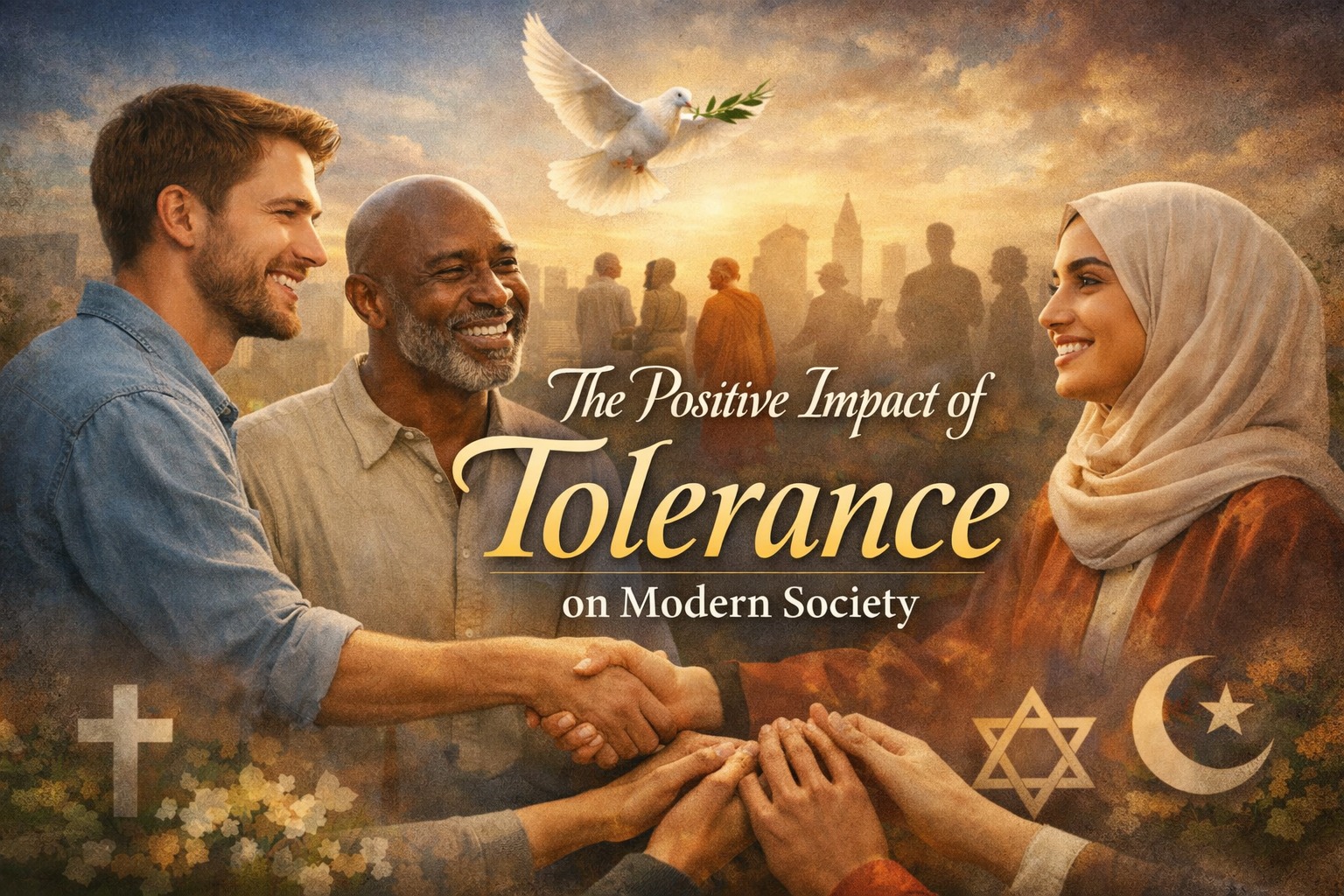
Tolerance is one of the most valuable qualities in today's diverse and interconnected world. People from different cultures, religions, backgrounds, and beliefs interact more frequently than ever before, making mutual respect an essential part of daily life. Rather than simply accepting differences, tolerance encourages individuals to appreciate diversity while maintaining peaceful relationships. This attitude creates stronger communities where everyone feels respected and valued.
Modern society faces many challenges, including social conflicts, discrimination, and misunderstandings. Developing tolerance helps reduce these issues by promoting empathy, open communication, and cooperation. Whether in schools, workplaces, or neighborhoods, tolerance contributes to healthier relationships and greater social stability. As societies continue to evolve, fostering tolerance becomes increasingly important for long-term harmony and sustainable development.
UNDERSTANDING THE MEANING OF TOLERANCE
Tolerance means respecting and accepting people who have different opinions, traditions, lifestyles, or beliefs without forcing them to change. It does not require individuals to agree with every perspective, but it encourages treating others with fairness and dignity. This mindset supports peaceful coexistence while recognizing that diversity is a natural part of society. By practicing tolerance, people learn to communicate without hostility or prejudice.
In today's global environment, individuals interact with people from many cultural backgrounds through education, business, travel, and technology. Understanding different viewpoints broadens knowledge and reduces stereotypes. It also strengthens critical thinking because people learn to evaluate ideas objectively rather than relying on assumptions. As a result, communities become more inclusive and respectful.
HOW TOLERANCE STRENGTHENS SOCIAL HARMONY?
A society built on tolerance experiences fewer conflicts because people are more willing to listen before judging others. Respectful communication helps solve disagreements peacefully and prevents unnecessary tension. Communities that value tolerance encourage cooperation regardless of cultural, ethnic, or religious differences. This creates an environment where everyone has equal opportunities to participate and contribute.
Social harmony also improves public trust and strengthens relationships among citizens. When people feel accepted, they are more likely to support community programs and participate in collective activities. Businesses, educational institutions, and public organizations also benefit from positive collaboration. Ultimately, tolerance builds stronger social bonds that contribute to long-term peace and stability.
THE ROLE OF TOLERANCE IN EDUCATION AND THE WORKPLACE
Educational institutions play a major role in teaching tolerance from an early age. Students who learn to appreciate diversity develop stronger teamwork, communication, and leadership skills. Exposure to different perspectives also enhances creativity and problem-solving abilities. These qualities prepare young people for success in multicultural environments.
In the workplace, tolerance improves professional relationships and increases productivity. Employees who respect one another create a positive work culture where collaboration becomes easier. Inclusive workplaces also encourage innovation because diverse teams contribute unique ideas and experiences. Organizations that promote tolerance often enjoy better employee satisfaction and stronger business performance.
TOLERANCE AS A FOUNDATION FOR GLOBAL COOPERATION
Globalization has connected countries through trade, education, technology, and cultural exchange. Tolerance enables people from different nations to work together despite differences in language, customs, or traditions. Respectful international cooperation supports economic growth, scientific research, and humanitarian efforts. It also reduces the risk of conflicts caused by misunderstanding and prejudice.
As digital communication continues to expand, people interact with global audiences every day. Practicing tolerance online is just as important as demonstrating it in person. Respectful discussions help reduce misinformation, cyberbullying, and hate speech while encouraging meaningful conversations. This creates healthier digital communities that benefit everyone.
SIMPLE WAYS TO PRACTICE TOLERANCE EVERY DAY
Building tolerance begins with small daily actions. Listening carefully before responding, respecting different opinions, and avoiding stereotypes are practical ways to strengthen mutual understanding. Being willing to learn about other cultures and traditions also helps broaden perspectives. These habits gradually create stronger personal relationships and more welcoming communities.
Another important step is developing empathy by trying to understand situations from another person's point of view. Showing kindness, patience, and fairness during disagreements demonstrates true tolerance. Encouraging respectful conversations within families, schools, and workplaces also spreads positive values. Over time, these consistent actions create lasting social harmony.
CONCLUSION
The positive impact of tolerance extends beyond individual relationships and benefits society as a whole. It strengthens social harmony, supports inclusive education, improves workplace collaboration, and encourages peaceful global cooperation. As diversity continues to grow, tolerance becomes an essential skill for building stronger and more resilient communities. By practicing respect, empathy, and open-mindedness every day, everyone can contribute to a safer, fairer, and more united modern society.
Tentang Penulis
Gusti Ayu Tita P
Penulis — Universitas STEKOM
Penulis aktif yang berfokus pada isu-isu akademik, teknologi pendidikan, dan pengembangan sumber daya manusia di lingkungan kampus.