The Role of Social Media in Influencing Voters During Elections
Gusti Ayu Tita P
10 Oktober 2026
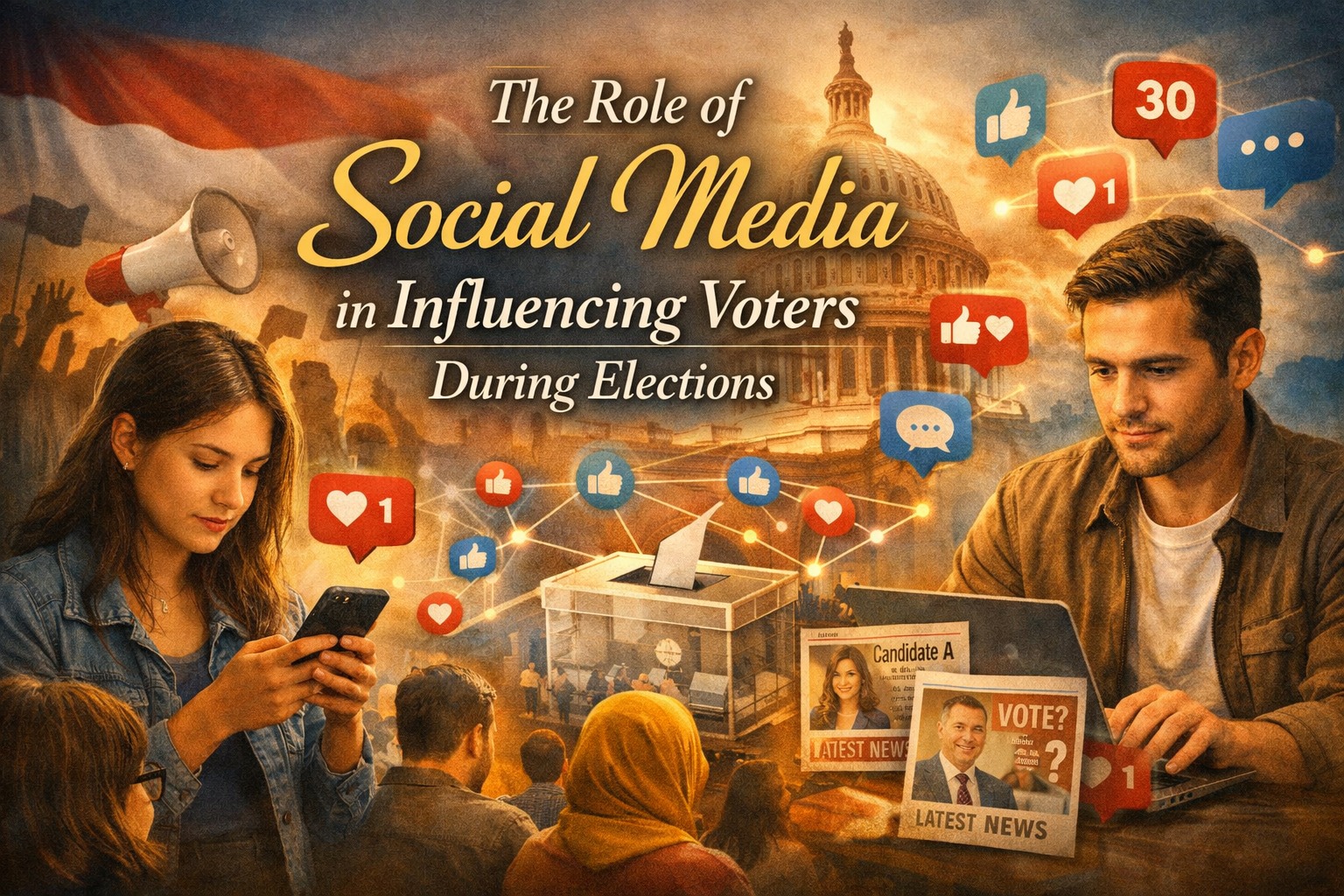
Social media has become one of the most influential communication tools during modern elections. Millions of people use digital platforms every day to access political news, learn about candidates, and discuss public issues. This widespread use allows election-related information to reach voters quickly and efficiently. However, while social media offers many benefits, it also presents challenges such as misinformation, political polarization, and the rapid spread of unverified content.
For voters, social media can be a valuable source of information when used responsibly. By following credible sources, verifying facts, and thinking critically, citizens can make informed voting decisions. Understanding the role of social media helps people benefit from its advantages while minimizing its risks during election periods.
HOW SOCIAL MEDIA CHANGES POLITICAL COMMUNICATION?
Social media platforms have transformed the way candidates communicate with the public. Instead of relying only on television, newspapers, or public events, political leaders can now interact directly with voters through online content. This creates faster communication, encourages public engagement, and allows candidates to explain their programs more effectively. Digital campaigns also enable political messages to reach younger audiences.
At the same time, voters can actively participate by commenting, asking questions, and sharing political discussions. This two-way communication strengthens public involvement in democratic processes. When used responsibly, social media encourages transparency and improves access to political information.
THE POSITIVE IMPACT OF SOCIAL MEDIA ON VOTERS
One major benefit of social media is its ability to increase political awareness. Voters can easily access information about election schedules, candidate debates, policy proposals, and voting procedures. Educational content shared by election authorities and trusted organizations helps citizens understand their rights and responsibilities. This accessibility encourages greater participation in elections.
Social media also promotes civic engagement by connecting people with different backgrounds and perspectives. Citizens can discuss important national issues, exchange ideas respectfully, and participate in online campaigns that encourage voter turnout. These activities strengthen democratic participation and increase public interest in elections.
THE RISKS OF MISINFORMATION DURING ELECTIONS
Despite its advantages, social media can also spread false information rapidly. Fake news, manipulated images, misleading headlines, and unverified rumors may confuse voters and influence public opinion unfairly. If people share inaccurate information without verification, misinformation can spread to thousands of users within minutes. This creates challenges for election integrity.
To reduce these risks, voters should verify information through credible sources before believing or sharing political content. Fact-checking organizations, official election agencies, and reputable news outlets provide more reliable information. Responsible digital behavior helps maintain fair and transparent elections.
WHY DIGITAL LITERACY IS ESSENTIAL?
Digital literacy enables voters to recognize trustworthy information and avoid online manipulation. Individuals with strong digital skills can identify misleading content, evaluate information critically, and understand how online algorithms influence what they see. These abilities are increasingly important during election campaigns when information spreads rapidly. Digital literacy strengthens informed decision-making.
Educational institutions, governments, media organizations, and community groups all play important roles in improving digital literacy. Public education programs help citizens develop critical thinking and responsible online habits. Better-informed voters contribute to healthier democratic processes and more credible elections.
THE RESPONSIBILITY OF SOCIAL MEDIA USERS
Every social media user has a responsibility to support ethical online behavior during elections. Before sharing political content, individuals should confirm that the information comes from reliable and verified sources. Respecting different opinions and avoiding hateful or misleading content also contribute to healthier public discussions. Responsible communication strengthens democratic values.
Users should also encourage constructive conversations instead of spreading hostility or misinformation. Positive online engagement helps build trust among citizens and supports peaceful democratic participation. By using social media wisely, voters can contribute to fairer elections and stronger communities.
CONCLUSION
The role of social media in influencing voters is both powerful and complex. It provides fast access to political information, increases civic engagement, and encourages public participation in democratic processes. At the same time, it requires users to remain critical of the information they encounter and avoid spreading misinformation.
By improving digital literacy, verifying facts, and using social media responsibly, citizens can make informed voting decisions that strengthen democracy. Responsible online participation helps create transparent, fair, and credible elections that benefit society as a whole.
Tentang Penulis
Gusti Ayu Tita P
Penulis — Universitas STEKOM
Penulis aktif yang berfokus pada isu-isu akademik, teknologi pendidikan, dan pengembangan sumber daya manusia di lingkungan kampus.