The Role of Tolerance in Creating a Positive Workplace
Gusti Ayu Tita P
9 Oktober 2026
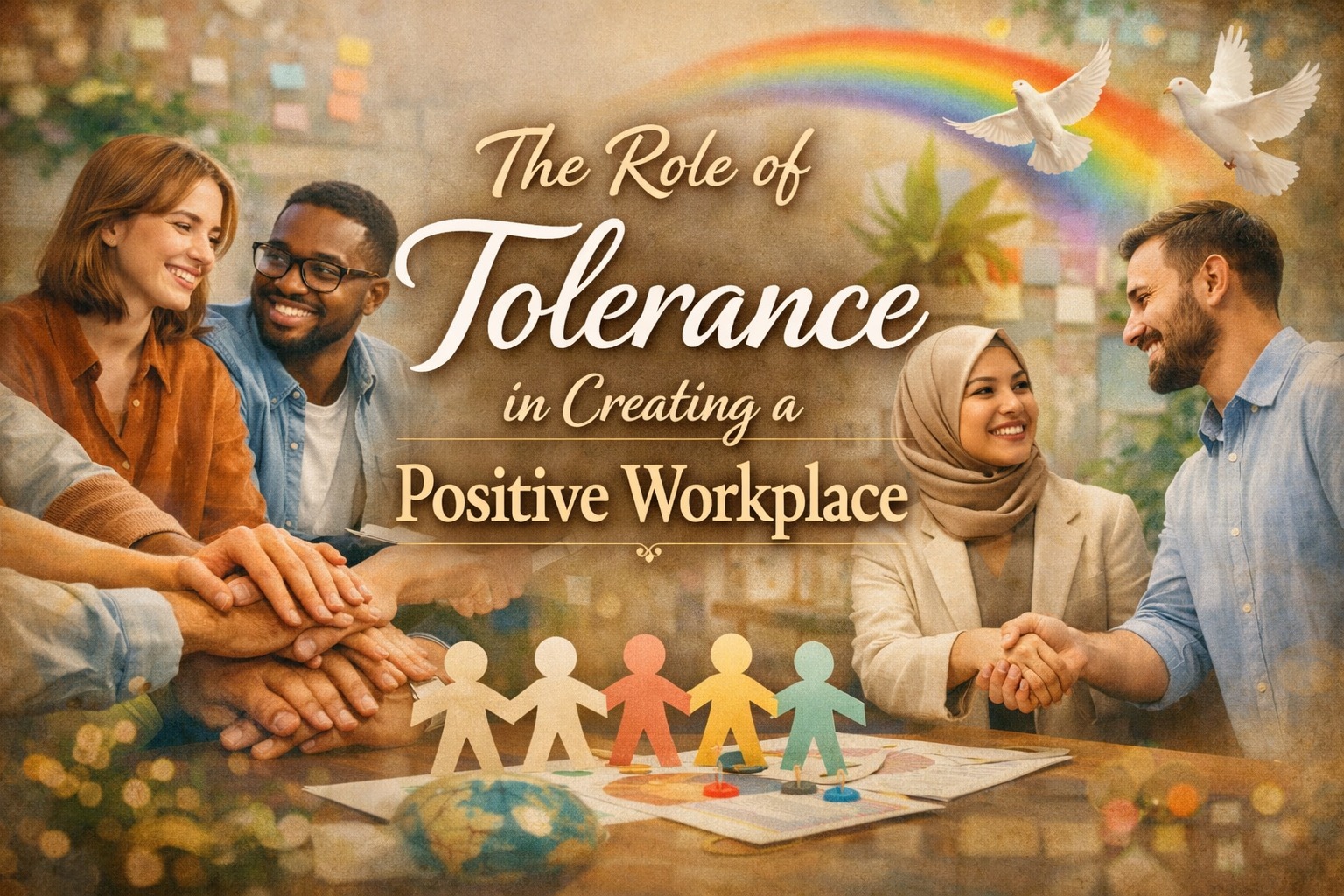
A positive workplace is built on more than professional skills and business strategies. It also depends on how employees treat one another, especially when they come from different backgrounds, cultures, beliefs, or generations. Tolerance encourages people to respect differences, communicate openly, and work together toward common goals.
In today's global business environment, organizations employ people with diverse experiences and perspectives. Companies that promote workplace tolerance often experience stronger teamwork, higher employee satisfaction, and better productivity. Understanding the role of tolerance helps both employers and employees create a healthier, more successful working environment.
WHY TOLERANCE MATTERS IN THE WORKPLACE?
Tolerance is the willingness to respect and accept differences without discrimination or prejudice. It does not require everyone to have the same opinions or beliefs. Instead, it encourages people to appreciate diversity while maintaining professionalism and mutual respect. Employees who practice tolerance are more likely to build positive relationships with colleagues and customers.
A workplace that values respect, fairness, and inclusion creates an atmosphere where employees feel safe expressing ideas and contributing to team discussions. This environment reduces unnecessary conflicts and helps individuals focus on achieving organizational goals. As trust grows, collaboration becomes more effective, leading to better overall performance.
BENEFITS OF BUILDING A TOLERANT WORK CULTURE
A culture of tolerance brings many long-term advantages to both employees and organizations. Teams with diverse perspectives often produce more creative ideas because members feel comfortable sharing their opinions without fear of judgment. This encourages innovation and improves problem-solving abilities.
Another important benefit is increased employee engagement. People who feel respected are generally more motivated, loyal, and committed to their work. Businesses with inclusive cultures also tend to attract talented professionals from different backgrounds, strengthening their competitiveness in an increasingly global marketplace.
CHALLENGES THAT CAN REDUCE TOLERANCE
Although tolerance is essential, maintaining it is not always easy. Miscommunication, unconscious bias, cultural misunderstandings, and personal stereotypes can create tension among employees. Without proper management, these issues may reduce teamwork and negatively affect workplace morale.
Another challenge comes from differences in communication styles, work habits, and expectations between generations. Organizations should recognize these differences as opportunities for learning rather than sources of conflict. Providing diversity education and encouraging respectful dialogue can help prevent misunderstandings before they become larger problems.
PRACTICAL WAYS TO PROMOTE TOLERANCE AT WORK
Organizations can strengthen workplace tolerance by developing clear policies that support equal opportunities, respectful communication, and inclusive leadership. Managers should lead by example by treating every employee fairly and addressing discriminatory behavior immediately. Consistent leadership creates a strong foundation for a respectful workplace culture.
Employees also play an important role by listening actively, appreciating different viewpoints, and communicating with empathy. Participating in teamwork, cultural awareness programs, and constructive discussions helps strengthen mutual understanding. Small daily actions of respect often create lasting positive changes throughout the organization.
THE LONG TERM IMPACT OF TOLERANCE ON BUSINESS SUCCESS
Companies that consistently promote tolerance often enjoy stronger employee retention, improved customer relationships, and higher organizational reputation. A respectful work environment supports better mental well-being, allowing employees to perform at their best. This contributes to sustainable business growth over time.
As workplaces become increasingly diverse, tolerance will remain one of the most valuable professional qualities. Organizations that invest in inclusive cultures, continuous learning, and respectful collaboration are better prepared to adapt to future challenges. Ultimately, tolerance benefits not only individuals but also the long-term success of the entire organization.
CONCLUSION
Tolerance is a fundamental value that helps create a positive workplace where everyone feels respected, included, and motivated. By encouraging open communication, appreciating diversity, and resolving differences professionally, organizations can strengthen teamwork and improve overall performance. Building a culture of tolerance is not only the right thing to do but also a smart strategy for long-term business success.
Tentang Penulis
Gusti Ayu Tita P
Penulis — Universitas STEKOM
Penulis aktif yang berfokus pada isu-isu akademik, teknologi pendidikan, dan pengembangan sumber daya manusia di lingkungan kampus.