
Tips For Developing Local Heritage Potential Into Economic Opportunities
Gusti Ayu Tita P
16 Oktober 2026
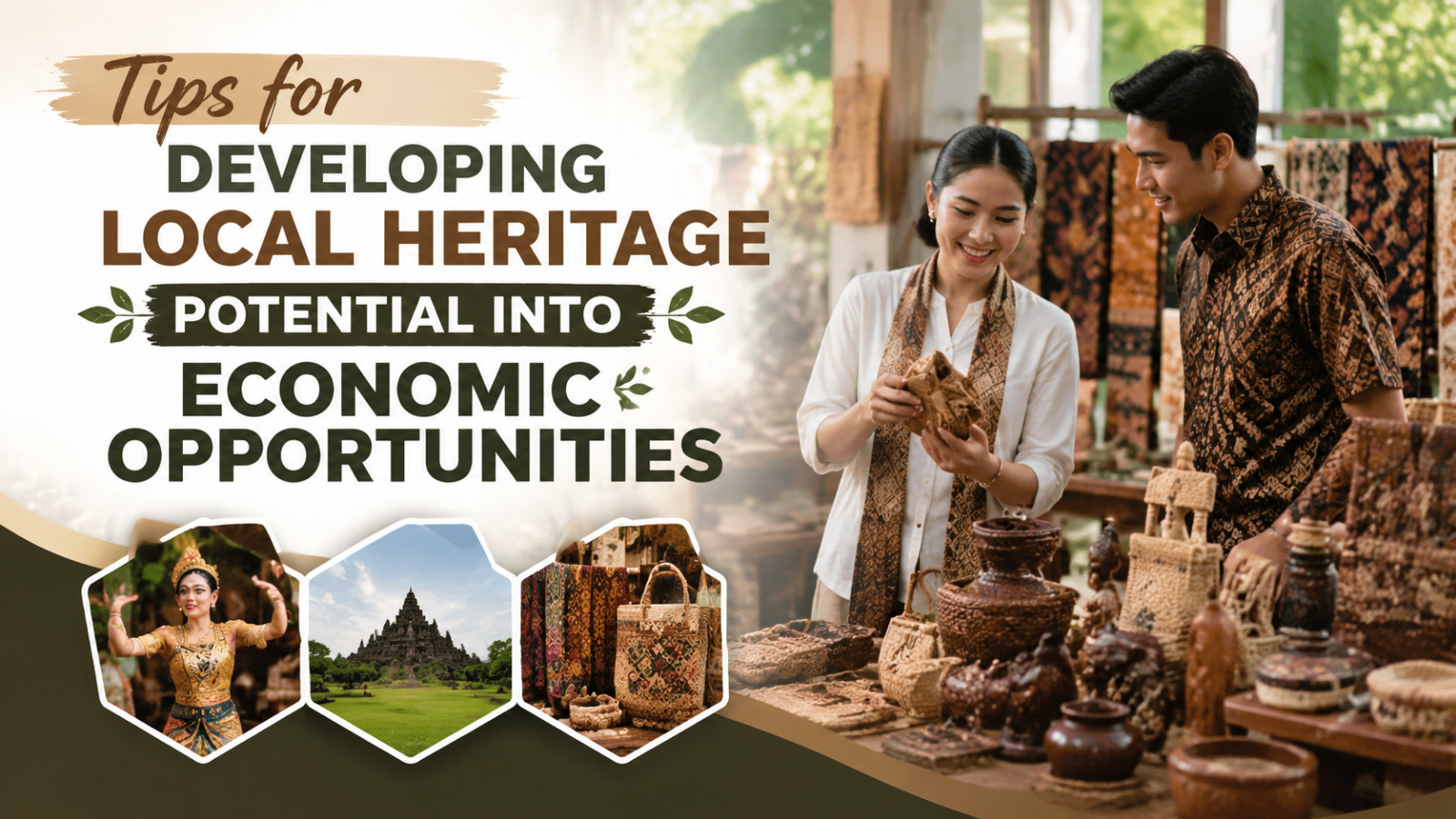
Local Heritage is not only a symbol of cultural identity but also a valuable resource that can support economic development. Traditional crafts, local foods, cultural performances, historical sites, and community knowledge have unique values that attract public interest. When managed properly, heritage can create new business opportunities while preserving important traditions. Many communities around the world have successfully transformed cultural assets into sustainable sources of income. This approach allows culture and economic growth to develop together.
Developing heritage potential requires a balance between commercialization and cultural protection. Economic activities should respect original traditions and avoid changing cultural elements only for profit. By maintaining authenticity, local heritage products and experiences can gain stronger value in national and international markets. Sustainable development ensures that communities benefit financially while protecting their cultural identity.
IDENTIFYING UNIQUE LOCAL HERITAGE VALUES
The first step in developing Local Heritage into economic opportunities is identifying the unique values and characteristics of each region. Every community has different cultural assets, such as traditional textiles, handicrafts, culinary specialties, historical locations, and artistic performances. Understanding these strengths helps communities determine the most suitable ways to promote and develop them. Research and documentation are important to ensure cultural elements are accurately represented. A clear understanding of heritage creates a strong foundation for business development.
Local communities should also involve cultural experts, historians, and experienced practitioners during the development process. Their knowledge helps maintain authenticity while finding creative ways to introduce heritage to modern audiences. By combining traditional knowledge with market understanding, communities can create valuable products and services that attract consumers.
DEVELOPING CREATIVE PRODUCTS BASED ON CULTURE
The Creative Industries provide excellent opportunities to transform cultural heritage into modern economic products. Designers, entrepreneurs, artists, and creators can develop fashion, accessories, home decorations, digital content, and artwork inspired by traditional culture. Innovation allows heritage-based products to reach younger consumers without losing their cultural meaning. Creative approaches can increase the popularity and market value of local traditions. This process helps preserve culture while supporting local businesses.
However, creativity should always be combined with cultural respect. Products inspired by heritage should represent authentic stories, techniques, and values rather than simply using traditional symbols for decoration. Collaboration between local artisans and creative professionals can produce innovative results while ensuring cultural knowledge remains respected. Responsible creativity strengthens both economic growth and heritage preservation.
PROMOTING HERITAGE THROUGH CULTURAL TOURISM
Heritage Tourism is one of the most effective ways to create economic opportunities from cultural assets. Historical sites, traditional villages, cultural festivals, and local experiences can attract visitors interested in authentic destinations. Tourism activities generate income for local communities through accommodation, food services, transportation, handicrafts, and cultural performances. This creates a wider economic impact while encouraging people to protect their heritage.
Successful heritage tourism requires proper management and community involvement. Local residents should actively participate in planning and managing tourism activities to ensure benefits are distributed fairly. Sustainable tourism practices also help prevent environmental damage and cultural exploitation. When managed responsibly, tourism becomes a powerful tool for preserving heritage and improving community welfare.
USING DIGITAL MARKETING TO EXPAND HERITAGE BUSINESS
Digital technology provides effective solutions for promoting heritage-based products and services to wider audiences. Social media platforms, online marketplaces, websites, and digital storytelling allow local businesses to reach customers beyond their regions. Attractive photos, videos, and educational content can introduce cultural products while explaining their historical significance. Digital marketing helps small businesses compete in modern markets and increase brand awareness.
Young entrepreneurs can play an important role in applying digital strategies to heritage development. They can combine traditional knowledge with modern marketing techniques, e-commerce, and creative content creation. This collaboration between culture and technology creates new possibilities for economic growth while keeping heritage relevant in the digital era.
EMPOWERING LOCAL COMMUNITIES THROUGH HERITAGE BUSINESS
Community involvement is the key factor in ensuring that heritage-based economic activities provide long-term benefits. Training programs, financial support, and business development assistance can help local people improve their skills and manage cultural enterprises effectively. Empowered communities are more capable of protecting their traditions while creating stable income sources. Economic independence also encourages younger generations to continue traditional practices.
Cooperation between governments, private organizations, educational institutions, and communities strengthens heritage development programs. Partnerships can provide resources, promotion, and market access for local entrepreneurs. Through collaboration, local heritage can become a sustainable economic asset that supports both cultural preservation and community prosperity.
CONCLUSION
Developing Local Heritage into economic opportunities requires creativity, responsible management, digital innovation, and strong community participation. Cultural assets can become valuable economic resources through creative industries, heritage tourism, and modern marketing strategies. However, development must always maintain authenticity and respect traditional values. By combining preservation with innovation, local communities can protect their cultural identity while creating new opportunities for sustainable economic growth.
Tentang Penulis
Gusti Ayu Tita P
Penulis — Universitas STEKOM
Penulis aktif yang berfokus pada isu-isu akademik, teknologi pendidikan, dan pengembangan sumber daya manusia di lingkungan kampus.



