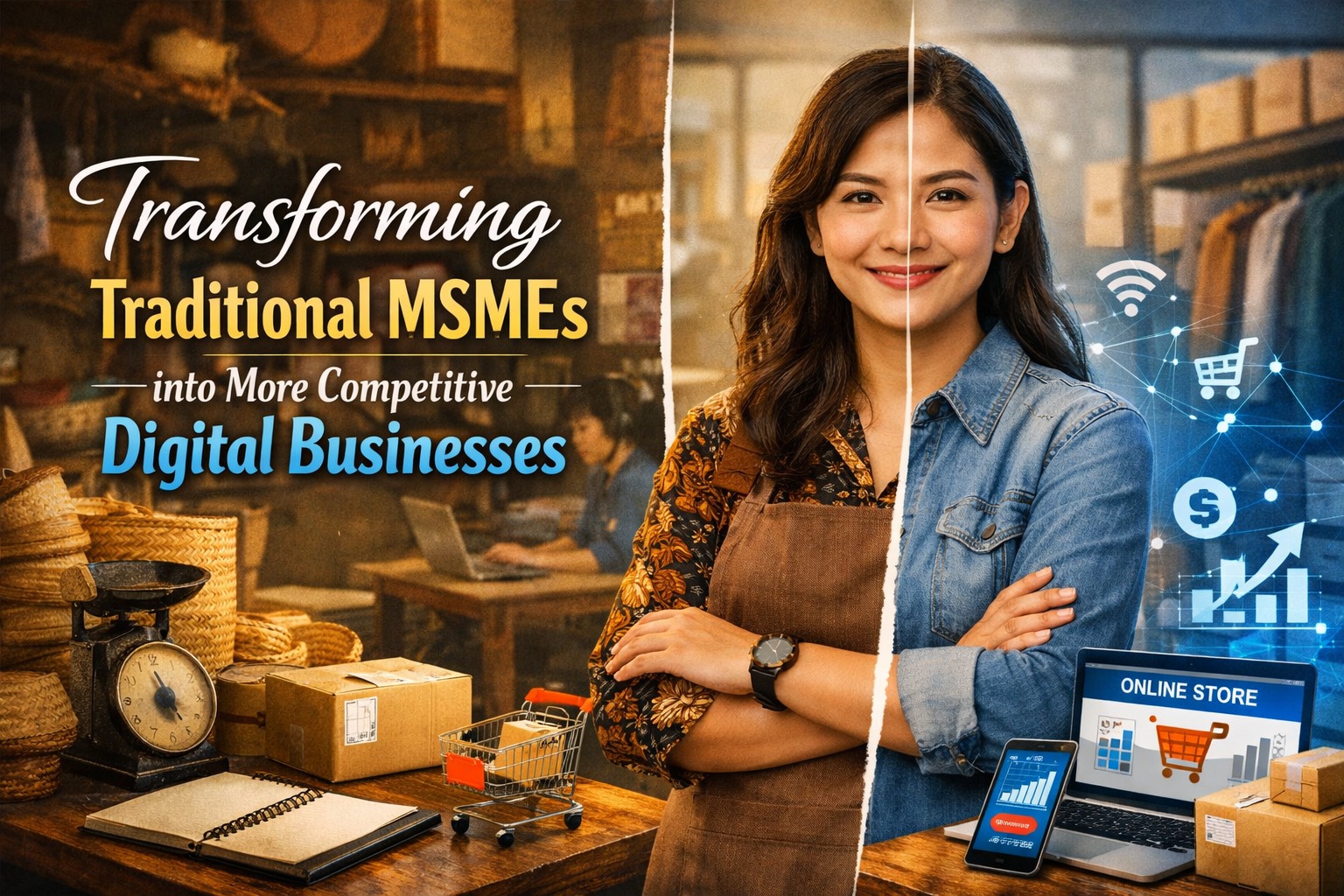
Traditional Micro, Small, and Medium Enterprises (MSMEs) have long played an essential role in supporting local economies, creating jobs, and providing unique products and services. However, rapid technological advancements and changing consumer behavior have transformed the business landscape. Customers now expect convenience, fast service, online transactions, and easy access to products through digital platforms.
For this reason, digital transformation has become more than just an option for MSMEs—it is now a necessity. Businesses that successfully adopt digital tools can reach broader markets, improve operational efficiency, and strengthen customer relationships. This article explores practical ways traditional MSMEs can evolve into more competitive digital businesses while maintaining their unique identity.
WHY DIGITAL TRANSFORMATION IS IMPORTANT FOR MSMES
The business environment has become increasingly competitive as more consumers rely on the internet to search for products, compare prices, and make purchasing decisions. Traditional MSMEs that continue relying solely on offline sales may struggle to keep up with changing market demands. By embracing digital business strategies, MSMEs can remain relevant and competitive.
Digital transformation also helps businesses streamline daily operations. Inventory management, digital payment systems, online marketing, and customer communication become faster and more organized. As a result, business owners can focus more on improving product quality and expanding their customer base rather than spending excessive time on manual processes.
BUILDING A STRONG ONLINE PRESENCE
One of the first steps toward becoming a digital business is establishing a professional online presence. MSMEs should create business profiles on social media platforms, register on online marketplaces, and develop a simple but informative website. These digital channels make it easier for potential customers to discover products and services.
A strong online presence also builds customer trust. Businesses that regularly share product updates, customer testimonials, educational content, and promotional offers appear more credible and active. Consistent branding, high-quality product images, and clear contact information further enhance the business's professional image.
USING DIGITAL MARKETING TO REACH MORE CUSTOMERS
Traditional marketing methods remain useful, but combining them with digital marketing significantly increases business opportunities. Social media advertising, search engine optimization (SEO), email marketing, and content marketing help MSMEs reach audiences beyond their local communities.
Businesses should also focus on creating valuable content instead of only promoting products. Sharing useful tips, product demonstrations, customer success stories, and behind-the-scenes content encourages audience engagement. Over time, this strategy strengthens brand awareness and builds long-term customer loyalty.
ADOPTING DIGITAL PAYMENT AND MODERN BUSINESS SYSTEMS
Modern consumers appreciate businesses that offer convenient payment methods. Accepting digital payments, mobile banking, e-wallets, and online transfers improves the overall customer experience. Faster transactions also reduce administrative work and minimize cash-handling risks.
In addition to digital payments, MSMEs should consider using cloud-based accounting software, inventory management systems, and customer relationship management (CRM) tools. These technologies provide valuable business insights, reduce human error, and improve operational efficiency, enabling businesses to make better strategic decisions.
IMPROVING DIGITAL SKILLS AND BUSINESS KNOWLEDGE
Technology alone cannot transform a business without knowledgeable people managing it. MSME owners and employees should continuously improve their digital skills through online courses, webinars, workshops, and practical learning experiences. Understanding digital tools allows businesses to maximize the benefits of technology investments.
Learning should also include business management topics such as financial planning, customer service, cybersecurity, and data analysis. As business owners become more confident with technology, they can adapt more quickly to market changes and identify new growth opportunities.
OVERCOMING CHALLENGES DURING DIGITAL TRANSFORMATION
Many traditional MSMEs face obstacles such as limited budgets, lack of technical knowledge, or resistance to change. While these challenges are common, they can be overcome through gradual implementation rather than attempting a complete transformation all at once. Starting with affordable digital solutions often provides meaningful improvements without creating excessive financial pressure.
Seeking support from government programs, business associations, financial institutions, or technology providers can also accelerate digital adoption. Collaboration with experienced mentors and industry experts helps MSMEs avoid common mistakes and implement more effective digital strategies.
MAINTAINING CUSTOMER TRUST IN THE DIGITAL ERA
As businesses become more digital, maintaining customer trust becomes increasingly important. MSMEs should provide accurate product information, transparent pricing, secure payment methods, and responsive customer support. Honest communication encourages repeat purchases and positive customer reviews.
Businesses should also protect customer data by using secure digital platforms and following basic cybersecurity practices. Customers are more likely to remain loyal when they feel their personal information and online transactions are handled responsibly.
CONCLUSION
Transforming traditional MSMEs into competitive digital businesses requires commitment, continuous learning, and strategic planning. By building a strong online presence, implementing digital marketing, adopting modern business systems, improving digital skills, and maintaining customer trust, MSMEs can successfully compete in today's rapidly evolving marketplace.
Digital transformation does not require abandoning traditional business values. Instead, it combines the strengths of local entrepreneurship with modern technology to create sustainable growth, increase operational efficiency, and expand market opportunities. MSMEs that embrace innovation today will be better positioned to achieve long-term success in the increasingly digital global economy.
Tentang Penulis
Gusti Ayu Tita P
Penulis — Universitas STEKOM
Penulis aktif yang berfokus pada isu-isu akademik, teknologi pendidikan, dan pengembangan sumber daya manusia di lingkungan kampus.