Unique Habits of Boarding Students
Gusti Ayu Tita P
2 Oktober 2026
Unique Habits of Boarding Students
Boarding school life is more than just studying and living away from home. It encourages students to develop routines, attitudes, and habits that shape their personalities and prepare them for future challenges. Unlike students who return home every day, boarding students learn to balance academics, friendships, responsibilities, and independence within the same environment.
These experiences create unique habits that often stay with them for life. From managing time wisely to building meaningful relationships, boarding students develop practical life skills that are difficult to gain elsewhere. This article explores the most common and valuable habits formed during boarding school life.
DEVELOPING STRONG SELF-DISCIPLINE
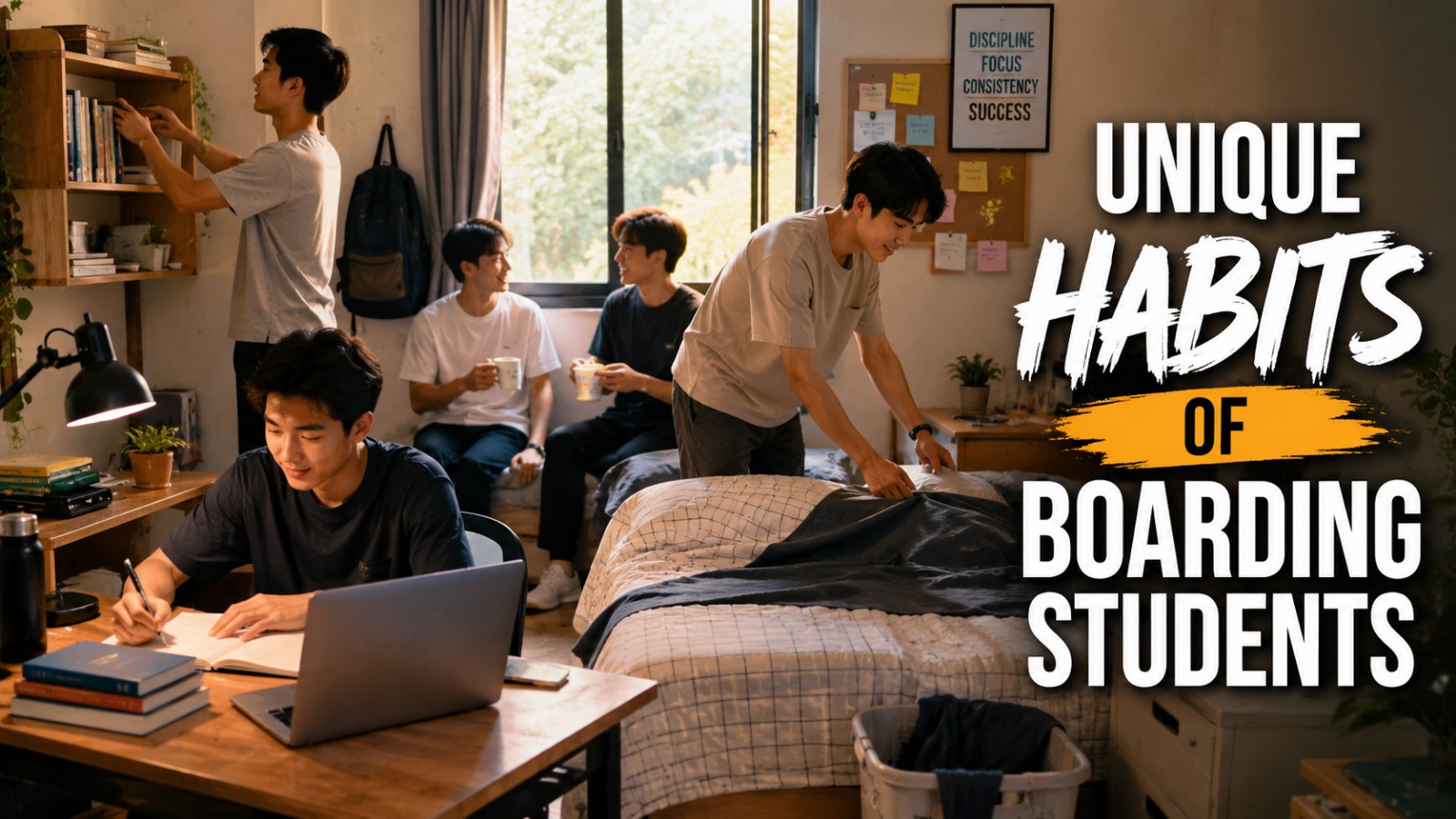
One of the most noticeable habits of boarding students is self-discipline. Daily schedules usually include fixed times for waking up, attending classes, studying, eating, exercising, and sleeping. Following these routines consistently helps students become more organized and responsible.
Over time, students no longer rely on parents or teachers to remind them about every task. They naturally become more punctual, complete assignments on time, and understand the importance of maintaining personal discipline in every aspect of life.
LEARNING TO LIVE INDEPENDENTLY
Living away from family teaches boarding students to become independent much earlier than many of their peers. They learn to take care of their personal belongings, organize their rooms, wash clothes, and solve everyday problems on their own.
This independence also improves decision-making skills. Students gradually become more confident because they learn from both their successes and mistakes without depending heavily on others.
BUILDING EFFECTIVE TIME MANAGEMENT
Boarding students often have busy schedules filled with academic activities, extracurricular programs, group projects, and personal responsibilities. Managing all these commitments requires careful planning and prioritization.
As a result, many boarding students develop excellent time management skills. They learn how to divide study time, rest, social activities, and personal hobbies without sacrificing productivity or academic performance.
CREATING STRONG FRIENDSHIPS
Sharing the same living environment naturally brings students closer together. They spend time studying, eating, participating in activities, and solving problems as a community, creating friendships that often last for many years.
These close relationships also teach valuable social skills such as communication, teamwork, empathy, and conflict resolution. Living with people from different backgrounds helps students become more understanding and respectful of diversity.
DEVELOPING PROBLEM-SOLVING SKILLS
Boarding students frequently encounter situations that require independent thinking. Whether dealing with academic pressure, misunderstandings with roommates, or adapting to new routines, they constantly practice solving problems.
Facing these situations regularly builds resilience and emotional maturity. Instead of avoiding challenges, students become more confident in finding practical solutions while learning important lessons from each experience.
MAINTAINING HEALTHY DAILY ROUTINES
Many boarding schools encourage healthy habits through scheduled meals, sports activities, and regular sleep routines. Students gradually understand that maintaining physical health supports better concentration and academic success.
Healthy routines also include managing stress through recreational activities, social interactions, and balanced lifestyles. These habits contribute to long-term physical and mental well-being even after graduation.
IMPROVING COMMUNICATION AND LEADERSHIP
Daily interaction with roommates, teachers, and classmates naturally improves communication skills. Boarding students become more comfortable expressing opinions, listening to others, and participating in discussions.
Many boarding schools also provide opportunities to lead student organizations or group activities. These experiences strengthen leadership abilities, responsibility, and confidence in managing teams and making decisions.
ADAPTING TO DIFFERENT ENVIRONMENTS
Boarding students often come from different cities, cultures, and family backgrounds. Living together encourages them to appreciate differences while adapting to various personalities and lifestyles.
This adaptability becomes an important life skill. It helps students adjust more easily to universities, workplaces, and international environments where flexibility and open-mindedness are highly valued.
CONCLUSION
The unique habits developed by boarding students extend far beyond classroom learning. Self-discipline, independence, effective time management, strong friendships, problem-solving abilities, healthy routines, communication skills, leadership, and adaptability all contribute to personal growth. These habits prepare students not only for academic success but also for future careers and everyday life. Boarding school experiences shape individuals into responsible, resilient, and confident adults who are ready to face various challenges with maturity.
Tentang Penulis
Gusti Ayu Tita P
Penulis — Universitas STEKOM
Penulis aktif yang berfokus pada isu-isu akademik, teknologi pendidikan, dan pengembangan sumber daya manusia di lingkungan kampus.