What Activities Can People Do in a Hobby Community?
Gusti Ayu Tita P
29 September 2026
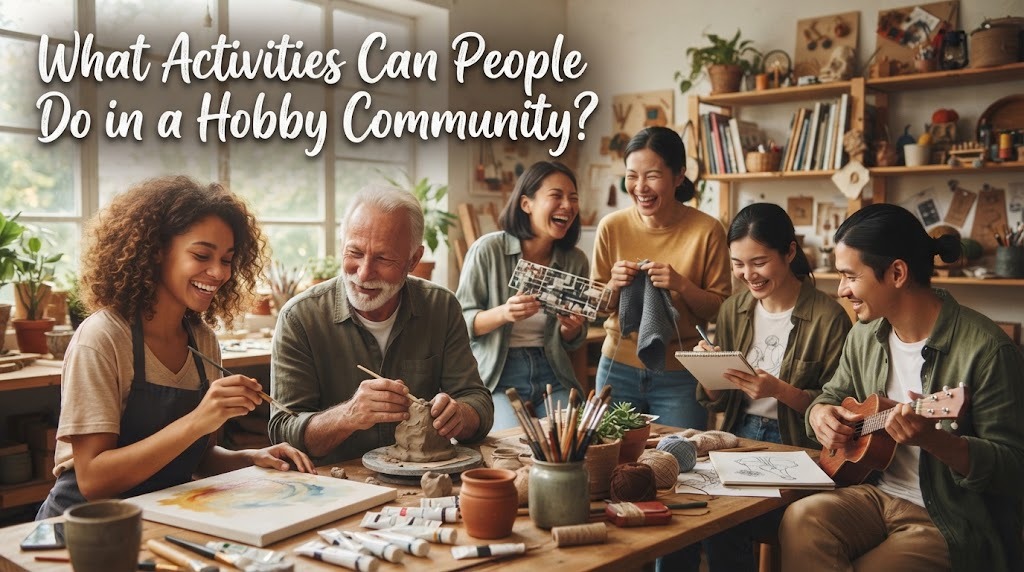
A hobby community is a group of people who share similar interests, such as photography, cooking, reading, sports, music, gaming, or arts. Joining this kind of community allows people to enjoy their hobbies while meeting others with similar interests. Members can participate in many activities that are both enjoyable and useful. These activities can also help people develop skills, exchange ideas, and build meaningful social connections.
SHARING KNOWLEDGE AND EXPERIENCES
One of the most common activities in a hobby community is sharing knowledge and personal experiences. Members can discuss techniques, recommend useful resources, and explain how they solve challenges related to their hobbies. For example, photography members can share camera settings, while cooking communities can exchange recipes and preparation tips. This activity allows beginners to learn from more experienced members in a friendly environment.
Knowledge sharing can also encourage members to become more confident. People may discover new approaches that they had never considered before. Discussions can happen through regular meetings, online groups, workshops, or community forums. By exchanging information regularly, members can learn while also contributing their own knowledge.
JOINING WORKSHOPS AND TRAINING
Hobby communities often organize workshops and training sessions to help members improve their abilities. These activities can focus on practical skills, such as painting techniques, photography, writing, gardening, cooking, or playing musical instruments. Workshops are usually more structured than casual discussions, so participants can learn specific skills step by step. Beginners can benefit because they can practice directly and receive guidance from other members.
Training activities can also be organized at different skill levels. A community may provide basic sessions for beginners and more advanced sessions for experienced members. This makes the community useful for people with different backgrounds and abilities. Regular training can help members make steady progress without making the learning process feel too formal.
ATTENDING COMMUNITY MEETUPS
Community meetups give members an opportunity to meet and interact directly. A meetup can take place in a public space, community center, café, park, studio, or another suitable location. Members can talk about their hobbies, introduce themselves, and exchange ideas in a relaxed atmosphere. These meetings can make online relationships feel more personal and meaningful.
Meetups do not always need to focus entirely on learning. Sometimes members simply gather to enjoy their shared interests together. For example, a book community can hold a reading discussion, while a running community can organize a group run. These activities can strengthen relationships and make members feel more connected to the community.
PARTICIPATING IN HOBBY PROJECTS
Another interesting activity is working on projects together. Members can collaborate to create something related to their shared hobby, such as a short film, photography exhibition, community garden, art project, podcast, or charity event. Group projects allow members to combine different skills and divide responsibilities. This can make the activity more challenging but also more rewarding.
Collaborative projects can also teach important skills outside the hobby itself. Members may learn communication, teamwork, planning, time management, and problem solving. People with different levels of experience can contribute in different ways. As a result, the project can become a valuable learning experience for the entire community.
ORGANIZING COMPETITIONS AND CHALLENGES
Some hobby communities organize friendly competitions or challenges to make activities more exciting. A photography community, for example, might create a weekly photo challenge with a specific theme. A writing community could ask members to create a short story within a certain word limit. These challenges encourage members to practice regularly and explore their creativity.
Competitions should ideally remain supportive and enjoyable rather than creating unnecessary pressure. Members can use them as opportunities to test their skills and receive constructive feedback. Even when someone does not win, participating can provide useful experience. Friendly challenges can also encourage members who need extra motivation to stay active in their hobbies.
GOING ON GROUP ACTIVITIES
Many hobby communities organize activities outside their usual meeting place. Outdoor communities may arrange hiking trips, cycling activities, camping, or nature photography sessions. Art communities might visit exhibitions, museums, or cultural events together. These activities allow members to practice their hobbies in real situations while spending time with other people.
Group activities can also create memorable experiences for members. They provide opportunities to communicate naturally and build stronger relationships. However, organizers should consider safety, accessibility, costs, schedules, and the abilities of participants. Good planning helps ensure that activities remain comfortable and enjoyable for everyone.
CONCLUSION
Hobby communities offer many activities beyond simply discussing a shared interest. Members can share knowledge, attend workshops, join meetups, work on projects, participate in challenges, and enjoy group activities. These experiences can help people develop skills while creating opportunities to meet others with similar interests. With regular participation, a hobby community can become a supportive environment for learning, creativity, and social connection.
Tentang Penulis
Gusti Ayu Tita P
Penulis — Universitas STEKOM
Penulis aktif yang berfokus pada isu-isu akademik, teknologi pendidikan, dan pengembangan sumber daya manusia di lingkungan kampus.