What Are The Benefits Of Being A Student Away From Home?
Gusti Ayu Tita P
29 September 2026
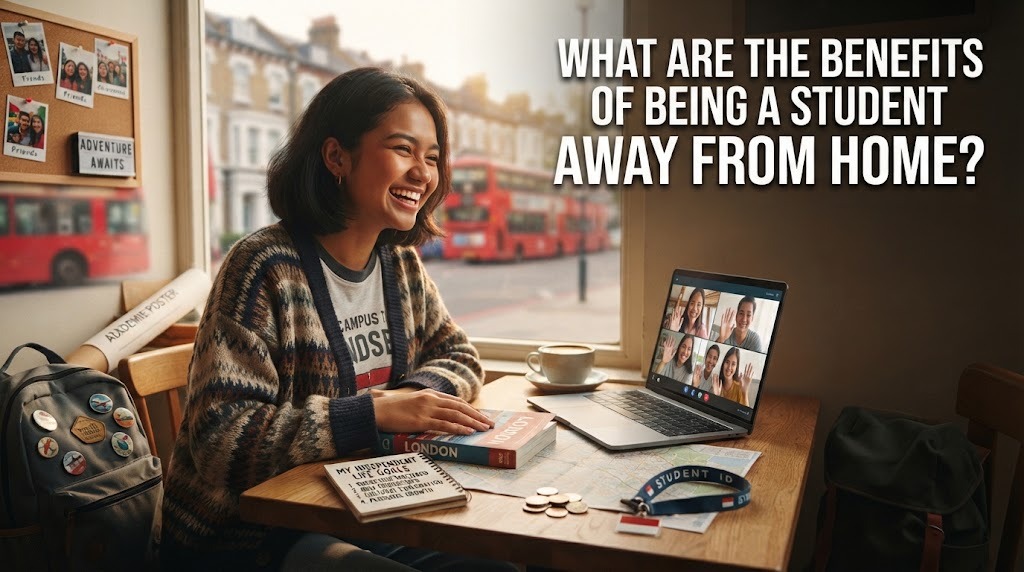
Being a student away from home can be a challenging but valuable experience. Students who live in another city or region have opportunities to experience new surroundings, different people, and independent living. They also learn how to manage responsibilities that were previously handled by their families. Although the adjustment may take time, the experience can provide many benefits for personal and academic development.
DEVELOPING INDEPENDENCE
One of the biggest benefits of living away from home is developing independence. Students have to make decisions about their schedules, meals, finances, studies, and daily activities. They cannot always depend on their parents or family members to solve problems for them. As a result, they gradually learn how to handle responsibilities on their own.
Independence develops through everyday experiences. Students may need to solve simple problems, organize their belongings, and make decisions without immediate assistance. These experiences can make them more confident when facing unfamiliar situations. Learning to manage life independently is an important skill for adulthood.
IMPROVING TIME MANAGEMENT
Living away from home can teach students how to manage their time more effectively. They need to balance classes, assignments, household activities, social life, rest, and personal needs. Without good planning, one responsibility can interfere with another. This encourages students to create schedules and decide which activities should receive priority.
Good time management can also support academic performance. Students who organize their tasks can reduce the chance of missing deadlines. They can also create enough time for sleep and relaxation. Learning to manage time independently can prepare students for future work and personal responsibilities.
BUILDING RESPONSIBILITY
Students living away from home often have more responsibilities than they did when living with their families. They may need to prepare meals, clean their rooms, wash clothes, manage money, and organize daily activities. These tasks may seem simple, but doing them regularly requires discipline. Students gradually understand that their daily choices can affect their comfort and progress.
Responsibility also applies to academic life. Students must attend classes, complete assignments, and prepare for exams without constant reminders from family. They learn to take responsibility for both their successes and mistakes. This experience can help students become more mature and dependable.
BUILDING NEW FRIENDSHIPS
Living away from home gives students opportunities to meet people from different backgrounds. They can make friends through classes, campus organizations, clubs, study groups, and community activities. These relationships can make a new environment feel more comfortable. Friends can also provide encouragement when students face difficulties.
Meeting different people can improve communication and social skills. Students learn how to listen, cooperate, respect different opinions, and handle disagreements. These skills are useful both inside and outside the classroom. A supportive social network can make student life more enjoyable and meaningful.
EXPERIENCING A NEW CULTURE
Studying away from home can expose students to new cultures, traditions, foods, languages, and lifestyles. Students may discover that people in another city or region have different habits and ways of communicating. Learning about these differences can help students become more open-minded. It can also increase their understanding of people from different backgrounds.
Cultural experiences can become an important part of personal development. Students learn to respect differences instead of judging unfamiliar customs immediately. They may also discover new interests and perspectives. Understanding different cultures can help students communicate more effectively in diverse environments.
IMPROVING PROBLEM SOLVING SKILLS
Students who live away from home often face situations that require them to find solutions independently. Problems may involve transportation, finances, accommodation, academic tasks, or daily activities. Because family members may not be nearby, students have to think about possible solutions themselves. This can gradually improve their problem-solving skills.
Not every problem needs a complicated solution. Students can learn by identifying the problem, considering available options, and choosing a practical action. If necessary, they can also ask trusted people for advice. Regular problem-solving experiences can make students more prepared to handle future challenges.
INCREASING SELF CONFIDENCE
Living independently can help students develop self-confidence. Completing daily tasks without constant assistance can show students that they are capable of handling responsibilities. Even small achievements can make them feel more confident. Over time, students may become more comfortable making decisions and facing unfamiliar situations.
Confidence does not mean that students never feel nervous or make mistakes. Instead, it means they are willing to try, learn, and improve. Students can build confidence by setting realistic goals and recognizing their progress. Every successful experience can become a valuable lesson for future challenges.
PREPARING FOR FUTURE CAREERS
Living away from home can provide experiences that are useful in the workplace. Students develop skills such as communication, responsibility, adaptability, time management, and problem solving. These abilities are relevant to many professional environments. Students also learn how to work with people who have different backgrounds and perspectives.
Independent living can also make students more familiar with making decisions and managing responsibilities. These experiences may help them adjust when they eventually enter the workforce. Students can use what they learn from living away from home to become more prepared for professional life. Practical life skills can complement academic knowledge when building a career.
CONCLUSION
Being a student away from home can provide many benefits beyond academic education. Students can develop independence, responsibility, time management, confidence, problem-solving skills, and communication skills. They can also experience new cultures and build relationships with people from different backgrounds. Although living away from home can involve challenges, those experiences can become valuable lessons. The skills gained from independent living can support students throughout their education, careers, and adult lives.
Tentang Penulis
Gusti Ayu Tita P
Penulis — Universitas STEKOM
Penulis aktif yang berfokus pada isu-isu akademik, teknologi pendidikan, dan pengembangan sumber daya manusia di lingkungan kampus.