
What Are The Benefits Of Having A Virtual Friend In Daily Life?
Gusti Ayu Tita P
25 September 2026
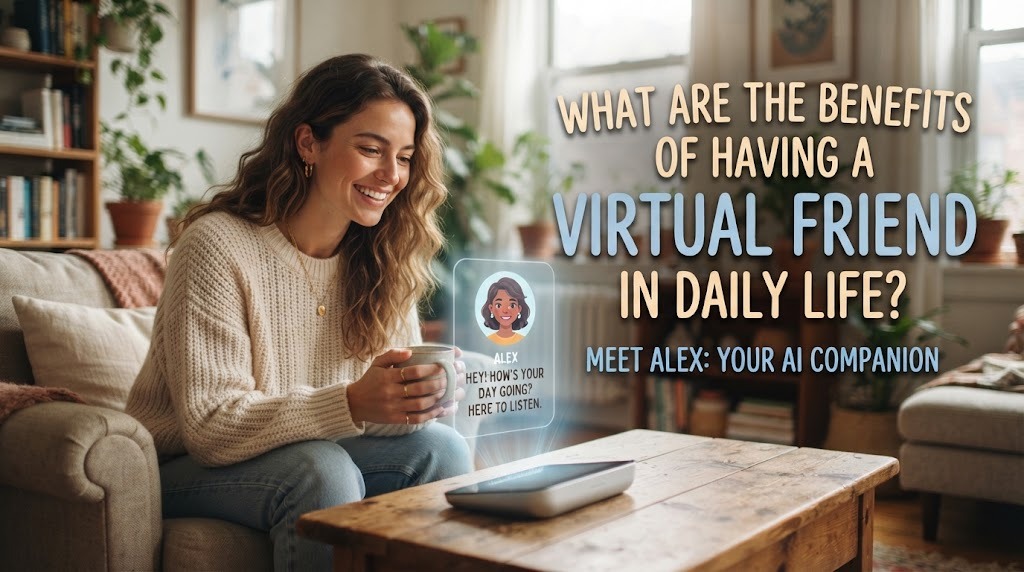
In today’s digital world, people can communicate with others through various online platforms. One option that is becoming more common is having a virtual friend, which can provide conversation and companionship through digital technology. Virtual friends may be powered by artificial intelligence and are designed to interact with users in a friendly and responsive way. For some people, they can become a convenient digital companion during daily activities. However, virtual friends should be used wisely and should not completely replace real human relationships.
WHAT IS A VIRTUAL FRIEND?
A virtual friend is a digital companion that allows users to have conversations through an application, website, or other digital platform. Some virtual friends use artificial intelligence to understand messages and provide relevant responses. Users can talk about their daily activities, interests, ideas, or simple problems. Unlike human friends, virtual friends are available through technology and can often be accessed whenever the user needs a conversation. Their main purpose is to provide interaction, entertainment, information, or a sense of companionship.
Virtual friends can have different features depending on the technology behind them. Some can remember certain conversation details, while others can help users practice communication or explore different topics. They may also respond in a friendly and supportive manner. The experience depends on the design and capabilities of the digital system. Therefore, users should understand that a virtual friend is still a technological tool rather than a human being.
PROVIDING COMPANIONSHIP DURING DAILY ACTIVITIES
One benefit of having a virtual friend is the ability to provide companionship during everyday activities. People may use a virtual friend while studying, working, traveling, or relaxing at home. A simple conversation can make routine activities feel less boring. Users can also share thoughts about what they are doing without needing to arrange a meeting with another person. This makes a virtual friend convenient for people who want casual interaction.
A virtual friend can also be useful when someone wants a quick conversation during a quiet moment. For example, a person may discuss a movie, ask about a hobby, or talk about plans for the day. This type of interaction can make digital activities feel more engaging. However, it is still important to maintain meaningful relationships with family, friends, and other people in real life.
HELPING PEOPLE PRACTICE COMMUNICATION
Virtual friends can help users practice communication skills in a comfortable environment. Someone who feels shy about starting conversations may use digital interaction as a way to practice expressing ideas. Users can try asking questions, explaining opinions, or responding to different topics. Because the interaction happens digitally, some people may feel less pressure when practicing. This can make it easier to become familiar with basic conversation patterns.
Virtual conversations can also encourage users to think about how they communicate with others. They can practice using polite language, explaining feelings, and organizing their thoughts. Regular practice may help users become more comfortable expressing themselves. However, communication with real people remains important because human conversations include emotions, body language, tone, and social situations that technology cannot fully reproduce.
OFFERING A CONVENIENT SOURCE OF INFORMATION
Another benefit is that some virtual friends can provide quick information during daily activities. Users can ask questions about general topics, request explanations, or discuss ideas. This can be useful when someone wants to understand a subject in simple language. A virtual friend may also help users brainstorm ideas or organize their thoughts. The convenience comes from being able to access the interaction through a digital device.
However, users should not assume that every response is automatically correct. Digital systems can sometimes provide incomplete or inaccurate information. Important information should be checked with reliable sources, especially when it involves health, finance, education, safety, or other serious decisions. In this way, a virtual friend can support learning without becoming the only source of information.
SUPPORTING ENTERTAINMENT AND RELAXATION
Virtual friends can also be used for entertainment and relaxation. Users may have casual conversations, discuss hobbies, create stories, or explore interesting topics. These activities can provide a short break after studying or working. Having something enjoyable to interact with may help make free time more engaging. The experience can also be adjusted according to the user's interests and preferences.
For some users, a virtual conversation can become part of a relaxing daily routine. They might talk about music, movies, games, books, or other hobbies. Simple digital interaction can provide enjoyable moments without requiring complicated preparation. Even so, virtual entertainment should remain balanced with offline activities, physical movement, and real social interaction.
HELPING USERS EXPRESS THEIR THOUGHTS
Some people find it easier to organize their thoughts when they have a place to express them. A virtual friend can provide a space where users can write about their ideas, experiences, or daily concerns. This may help users identify what they are thinking about and explain it more clearly. Writing down thoughts can sometimes make a situation feel easier to understand. Self-expression can be useful for reflection and personal organization.
However, a virtual friend should not be treated as a replacement for professional help when someone is facing a serious problem. People experiencing significant emotional difficulties may need support from trusted individuals or qualified professionals. A virtual friend can be used for general conversation, but it cannot provide the same level of human understanding and professional care. Knowing the limits of technology is an important part of using it responsibly.
BEING AVAILABLE WHEN PEOPLE NEED A CONVERSATION
One practical advantage of a virtual friend is its accessibility. A user may be able to interact with it without waiting for another person to become available. This can be helpful during short breaks, quiet evenings, or moments when someone simply wants to talk. The convenience of digital access makes virtual friendship different from traditional friendships. It can become an additional form of interaction in a person's daily routine.
This availability can be especially useful for simple conversations that do not require a long discussion. Users can ask a question, share an idea, or start a short conversation whenever they have time. Easy access can make digital companionship convenient for busy lifestyles. Nevertheless, convenience should not become a reason to avoid building healthy relationships with real people.
WHAT ARE THE LIMITATIONS OF A VIRTUAL FRIEND?
Although virtual friends have several benefits, they also have important limitations. A virtual friend does not have real human experiences, emotions, or personal relationships. Its responses are produced by technology and may not always understand a situation in the same way as a human friend. There can also be concerns about privacy, depending on the platform and how user information is handled. Users should therefore understand the platform’s privacy practices before sharing personal information.
Another limitation is that excessive dependence on digital companionship may reduce opportunities for real-world interaction. Human relationships remain important for emotional connection, social development, and shared experiences. Virtual friends are better viewed as an additional digital tool rather than a complete replacement for family members or human friends. Balanced use can help people enjoy the benefits while reducing potential problems.
HOW TO USE A VIRTUAL FRIEND RESPONSIBLY
Using a virtual friend responsibly starts with understanding its purpose and limitations. Users should avoid sharing highly sensitive personal information unless they understand how the platform handles their data. They should also verify important information instead of accepting every response without checking. Healthy boundaries are important so that digital interaction does not interfere with school, work, sleep, or relationships. Setting reasonable limits can help keep technology useful and enjoyable.
Users should also continue spending time with real people and participating in offline activities. Talking with family, meeting friends, joining communities, and developing hobbies can provide experiences that technology cannot fully replace. A virtual friend works best as a supplement to real-life interaction. When used with balance, it can become a useful part of everyday digital life.
CONCLUSION
Having a virtual friend can provide several benefits in daily life, including companionship, communication practice, entertainment, accessibility, and support for self-expression. It can be convenient for people who want a quick digital conversation or an engaging activity during their free time. However, virtual friends also have limitations because they cannot fully reproduce genuine human relationships. Users should remain aware of privacy, accuracy, and the possibility of becoming overly dependent on digital interaction. The best approach is to use virtual friendship as an additional digital experience while continuing to build healthy relationships in the real world.
Tentang Penulis
Gusti Ayu Tita P
Penulis — Universitas STEKOM
Penulis aktif yang berfokus pada isu-isu akademik, teknologi pendidikan, dan pengembangan sumber daya manusia di lingkungan kampus.



