What Are the Benefits of Industry Partnerships for Student Development?
Gusti Ayu Tita P
29 September 2026
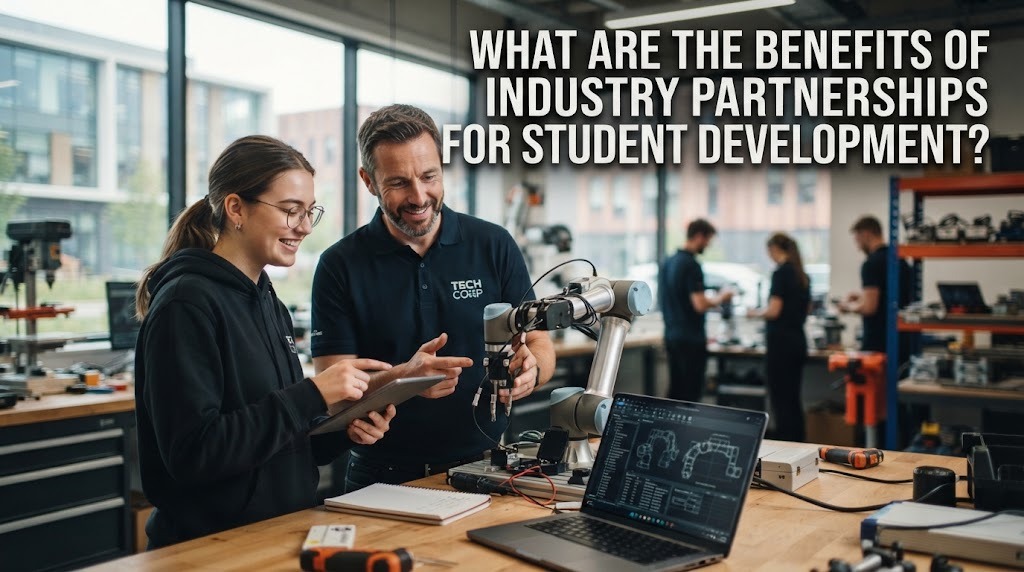
Industry partnerships provide valuable opportunities for students to connect classroom learning with real workplace experiences. Universities can collaborate with companies, organizations, and professionals to provide practical activities that support student development. Through internships, industry projects, mentoring, and professional events, students can develop skills that are useful for their future careers. These partnerships can also help students understand current industry expectations. As a result, learning becomes more relevant to professional needs.
PROVIDING PRACTICAL LEARNING EXPERIENCE
One of the main benefits of industry partnerships is the opportunity to gain practical learning experience. Students can participate in internships, company visits, training programs, or projects based on real industry situations. These activities allow students to apply theories and concepts learned in class. Students can also understand how professional tasks are completed in actual workplaces. This experience can make learning more meaningful and easier to understand.
Practical activities can also help students recognize the differences between academic assignments and professional responsibilities. They may need to follow deadlines, communicate with team members, and solve unexpected problems. These experiences encourage students to become more responsible and adaptable. They can also help students identify areas where they need to improve before entering the workforce.
DEVELOPING TECHNICAL SKILLS
Industry partnerships can help students improve technical skills that are relevant to their field of study. Companies can introduce students to professional software, equipment, technologies, or working methods. Students can then practice using these tools through projects or workplace experiences. This exposure can complement the technical knowledge they receive from university courses. It also helps students understand how technology is applied in professional environments.
Technology and industry practices continue to change, so students need opportunities to update their skills. Industry collaboration can expose them to current tools and processes that may not yet be widely used in traditional classroom activities. Students can therefore become more familiar with modern workplace requirements. Continuous exposure to new technologies can also encourage students to become lifelong learners.
IMPROVING COMMUNICATION AND TEAMWORK
Industry projects often require students to work with other people to achieve specific goals. Through these activities, students can practice sharing ideas, listening to others, dividing responsibilities, and resolving disagreements. They learn that successful teamwork requires communication and mutual respect. These experiences can strengthen interpersonal skills that are important in many professional environments.
Students may also communicate directly with industry professionals during internships, workshops, or mentoring programs. This can help them learn how to communicate with supervisors, colleagues, clients, and other stakeholders. They can practice presenting information clearly and responding to professional feedback. These experiences can increase confidence and improve their ability to communicate in workplace situations.
STRENGTHENING PROBLEM SOLVING SKILLS
Industry partnerships can expose students to practical problems that require critical thinking and careful analysis. Workplace problems may involve limited resources, changing conditions, or several possible solutions. Students can learn to identify the main issue, collect relevant information, and evaluate different approaches. This process helps develop problem solving skills and encourages students to think more systematically.
Students can also learn from mistakes during industry-related activities. When a solution does not produce the expected result, they can review what happened and identify ways to improve it. Guidance from industry professionals can provide useful perspectives on how problems are handled in real workplaces. Over time, these experiences can make students more confident when dealing with unfamiliar challenges.
BUILDING PROFESSIONAL ATTITUDES
Student development is not limited to academic and technical skills. Industry partnerships can also help students develop professional attitudes such as discipline, responsibility, punctuality, and respect. During workplace experiences, students can observe how professionals manage tasks and interact with others. They learn that professional behavior can influence teamwork, productivity, and trust.
Students can also become more aware of workplace ethics and responsibilities. They may learn about confidentiality, workplace safety, data protection, and appropriate professional conduct. Understanding these principles can prepare students to behave responsibly when they begin their careers. Early exposure to professional standards can make the transition from university to work more familiar.
SUPPORTING CAREER DEVELOPMENT
Industry partnerships can help students explore potential career paths before graduation. Through professional talks, internships, career events, and mentoring, students can learn about different roles and required qualifications. They can ask professionals about their experiences and gain a better understanding of workplace expectations. This information can help students make more informed career plans.
Students can also develop professional networks through industry activities. Meeting professionals may provide opportunities to receive advice, feedback, or information about future career opportunities. However, career outcomes depend on many factors, including individual qualifications and available positions. The main benefit is that students gain greater exposure to professional environments and can prepare their career goals more effectively.
CONCLUSION
Industry partnerships can support student development by combining academic knowledge with practical workplace experiences. Students can improve technical skills, communication, teamwork, problem solving, and professional attitudes through meaningful industry activities. These partnerships can also help students understand workplace expectations and explore potential career paths. At the same time, universities can use industry feedback to make learning programs more relevant to professional needs. Strong collaboration between universities and industry can therefore help students become more prepared, adaptable, and confident when entering the workforce.
Tentang Penulis
Gusti Ayu Tita P
Penulis — Universitas STEKOM
Penulis aktif yang berfokus pada isu-isu akademik, teknologi pendidikan, dan pengembangan sumber daya manusia di lingkungan kampus.