What Are The Best Money Saving Tips For Students Living Away From Home?
Gusti Ayu Tita P
29 September 2026
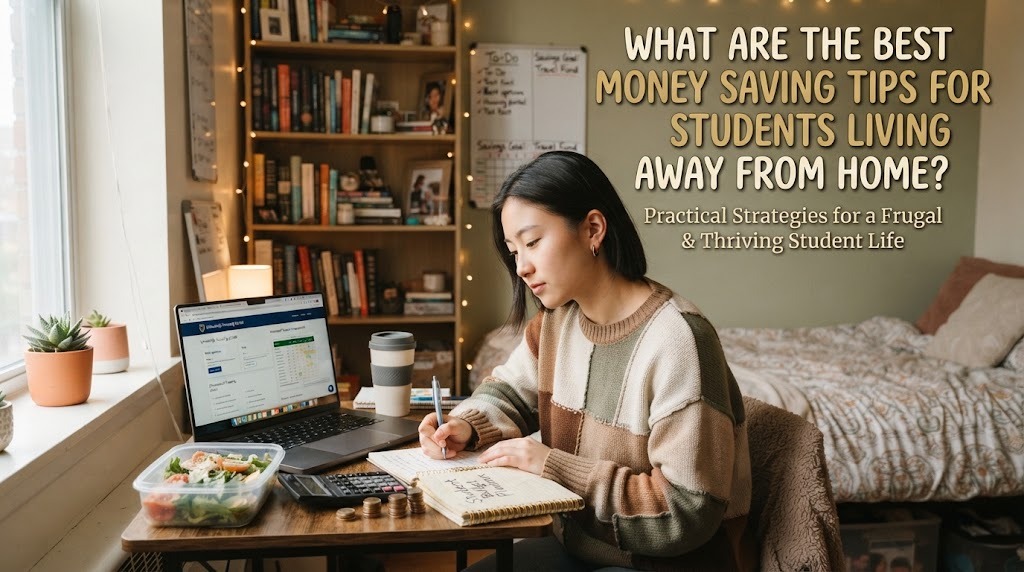
Living away from home gives students more independence, but it also means they need to manage their own money carefully. Students may need to pay for accommodation, food, transportation, study materials, and personal needs. Without proper planning, daily expenses can quickly become difficult to control. Learning simple money saving habits can help students avoid unnecessary financial pressure. Good financial habits can also prepare students for life after college.
CREATE A REALISTIC MONTHLY BUDGET
Creating a monthly budget is one of the most useful ways to manage money while living away from home. Students should first calculate their available income or allowance and then list their regular expenses. Important costs may include rent, food, transportation, internet, study materials, and other basic needs. A clear budget helps students understand how much money they can safely spend. Knowing where your money goes is the first step toward better financial management.
Students should also leave some money for unexpected expenses whenever possible. The budget does not need to be complicated or difficult to follow. A simple list on a notebook, spreadsheet, or budgeting application can be enough. Students can review their spending at the end of each week and adjust the plan if necessary. A realistic budget should match actual income and daily needs.
TRACK DAILY EXPENSES
Small purchases may seem unimportant, but they can become a significant expense when repeated frequently. Students should record their daily spending, including snacks, drinks, transportation, entertainment, and online purchases. Tracking expenses helps students identify habits that may be using too much of their money. Daily expense tracking can make unnecessary spending easier to recognize. It also gives students a clearer picture of their financial situation.
Students can review their spending records every few days or at the end of each week. If they notice that they spend too much on a particular category, they can make adjustments. For example, they may reduce frequent food deliveries or unnecessary purchases. The goal is not to stop spending completely but to spend money more intentionally. This habit can gradually improve financial awareness.
COOK MORE OFTEN
Food can become one of the largest regular expenses for students living away from home. Buying meals outside every day may be convenient, but the total cost can become high over time. Preparing simple meals at home can often help students control both ingredients and spending. Students can plan a few easy meals and buy groceries based on what they actually need. Home cooking can reduce food expenses while also supporting healthier eating habits.
Students do not need to prepare complicated dishes. Simple meals such as rice, vegetables, eggs, noodles, or other affordable ingredients can be practical choices. Cooking larger portions and saving leftovers can also reduce the need to buy another meal later. Students should store food properly to avoid waste. Meal planning and simple cooking habits can make a noticeable difference in a student budget.
USE STUDENT DISCOUNTS
Students should take advantage of legitimate discounts and benefits available to them. Some businesses, transportation services, entertainment venues, or digital services may offer special student prices. Students can ask whether a student discount is available before making a purchase. However, they should compare the discounted price with other options rather than assuming every discount is automatically the best choice. Student discounts can help reduce costs when used for things students actually need.
Students should also avoid buying something simply because it is on sale. A discount does not create a real saving if the item was not necessary in the first place. Before purchasing, students can ask themselves whether the product fits their budget and whether they will actually use it. This simple habit can prevent impulse spending. Saving money is often about controlling unnecessary purchases rather than finding discounts everywhere.
LIMIT ONLINE SHOPPING
Online shopping can make it easy for students to spend money without realizing how much they are buying. Flash sales, free shipping offers, and limited-time promotions can encourage unnecessary purchases. Students can create a shopping list and wait before buying nonessential items. Waiting before purchasing gives them time to decide whether the item is really needed.
Students can also remove saved payment information from shopping applications if it makes impulse purchases too easy. Setting a specific monthly limit for nonessential shopping can provide additional control. They should also compare prices across reliable sellers before purchasing important items. These habits can help students avoid unnecessary expenses. Controlled online shopping can protect a limited student budget.
SAVE MONEY ON TRANSPORTATION
Transportation costs can become significant for students who travel frequently. Students can look for affordable options such as public transportation, walking, cycling, or sharing rides when practical and safe. Choosing accommodation near campus can also reduce daily transportation expenses. Students should compare the cost and convenience of different transportation options. Planning daily travel can help reduce unnecessary spending.
Students can also combine multiple activities into one trip when possible. For example, they can buy groceries while returning from campus instead of making a separate trip. They should choose transportation based on their actual needs rather than always selecting the most expensive option. Small changes in transportation habits can produce meaningful savings over time. Lower transportation costs can leave more money for essential expenses.
BUY USED OR BORROW WHEN POSSIBLE
Students do not always need to purchase new items. Books, furniture, electronic accessories, and other useful items may be available secondhand in good condition. Students can also borrow items from friends, libraries, or other appropriate sources when they only need them temporarily. Buying used or borrowing can reduce the cost of student life.
Before buying secondhand items, students should check their condition and make sure the item is safe and suitable for use. They should also compare the secondhand price with the price of a new item. For academic materials, digital or library options may sometimes be available. Choosing practical alternatives can help students spend less without sacrificing important needs. This approach also encourages responsible consumption.
BUILD AN EMERGENCY FUND
Unexpected expenses can happen while students are living away from home. A student may suddenly need money for transportation, essential repairs, medical needs, or other urgent situations. Setting aside even a small amount regularly can create a basic emergency fund. Emergency savings can provide financial support when unexpected costs appear. Students should keep this money separate from their regular spending whenever possible.
The amount saved will depend on each student's financial situation. Students with limited income can start with a small amount rather than trying to save too much at once. The important part is building the habit consistently. They should avoid using emergency savings for unnecessary purchases. Over time, regular saving can provide greater financial security.
AVOID BORROWING FOR UNNECESSARY SPENDING
Students should be careful about borrowing money for things they do not really need. Using loans or credit for unnecessary purchases can create additional financial pressure later. Before borrowing, students should understand the repayment terms, fees, and consequences. Understanding financial obligations is important before agreeing to any form of borrowing.
If students experience financial difficulties, they can consider discussing the situation with trusted family members or appropriate college support services. They should not feel pressured to maintain a lifestyle they cannot afford. Learning to live within available resources is an important part of financial independence. Responsible borrowing decisions can help students avoid unnecessary debt problems.
REVIEW YOUR BUDGET REGULARLY
A budget should not remain unchanged throughout the year. Students' expenses can change because of new classes, transportation needs, accommodation costs, or other circumstances. Reviewing the budget regularly helps students identify changes before they become serious problems. They can compare their planned expenses with their actual spending. Regular budget reviews can make financial planning more realistic.
Students can review their budget once a week or once a month, depending on their needs. They should identify which expenses are necessary and which can be reduced. If their income changes, they should also adjust their spending plan. Financial management becomes easier when students treat budgeting as an ongoing habit. Consistent financial planning can help students feel more prepared and in control.
CONCLUSION
Students living away from home can save money by developing simple and consistent financial habits. Creating a budget, tracking expenses, cooking at home, using appropriate discounts, controlling online shopping, and choosing affordable transportation can reduce unnecessary costs. Students should also consider saving for emergencies and making careful borrowing decisions. The goal is not to avoid spending completely but to use money according to real needs and priorities. With good financial habits, students can enjoy greater financial stability while living independently.
Tentang Penulis
Gusti Ayu Tita P
Penulis — Universitas STEKOM
Penulis aktif yang berfokus pada isu-isu akademik, teknologi pendidikan, dan pengembangan sumber daya manusia di lingkungan kampus.