What Are the Differences Between PPE Based on Workplace Risks?
Gusti Ayu Tita P
29 September 2026
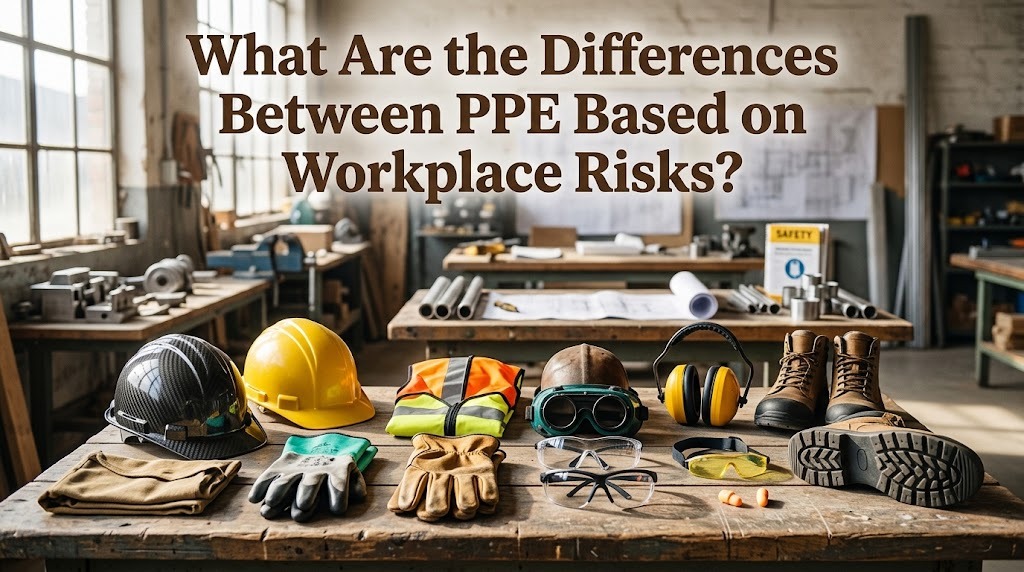
Personal Protective Equipment or PPE is used to help protect workers from hazards that cannot be fully eliminated through other safety measures. Different workplaces have different risks, so the type of PPE required can also vary. A construction worker may need protection from falling objects, while a laboratory worker may need protection from chemicals or biological materials. Choosing PPE based on the actual workplace risk helps ensure that workers receive appropriate protection. Therefore, understanding the differences between PPE is an important part of workplace safety.
WHY PPE DIFFERS ACCORDING TO WORKPLACE RISKS
PPE is not designed to provide the same type of protection in every situation. Each item has specific protective functions based on the hazards it is designed to address. For example, safety helmets can help protect the head from impacts, while safety glasses can help protect the eyes from flying particles or splashes. Gloves, protective clothing, and safety footwear also have different protective purposes.
The workplace environment should be assessed before selecting PPE. Factors such as chemical exposure, noise, falling objects, heat, dust, electrical hazards, and sharp materials can influence the type of protection needed. A risk assessment helps employers identify which hazards are present and what controls are appropriate. PPE should be considered as part of a broader hierarchy of controls rather than as the only safety measure.
PPE FOR HEAD AND EYE HAZARDS
Head protection is commonly required in areas where workers may face falling objects, impacts, or certain electrical hazards. Hard hats and safety helmets can provide an important layer of protection when they are suitable for the identified risk. Workers should select head protection that meets the applicable safety requirements for their work environment. The equipment should also fit correctly and remain in good condition.
Eye and face protection serves a different purpose. Safety glasses, goggles, and face shields can help protect workers from particles, chemical splashes, and other hazards that may affect the eyes or face. The appropriate choice depends on the type and level of exposure. In some tasks, workers may need both eye protection and a face shield for additional coverage.
PPE FOR HANDS, FEET, AND BODY
Hand protection varies depending on the hazard. Different protective gloves can be designed for risks such as cuts, abrasion, chemicals, heat, or other workplace conditions. Workers should not assume that any glove provides protection against every hazard. The material and design of the glove should match the risks associated with the task.
Safety footwear can help protect workers from impact, punctures, slipping, and other foot hazards, depending on its design. Protective clothing may also be necessary when workers face chemicals, heat, contamination, or other risks. Clothing should provide suitable coverage without creating additional hazards. Workers need to follow workplace requirements when selecting and using these forms of PPE.
PPE FOR HEARING AND RESPIRATORY HAZARDS
Some workplaces expose workers to high levels of noise, making hearing protection an important consideration. Earplugs and earmuffs are commonly used to reduce workers' exposure to excessive noise when other controls do not adequately reduce the risk. The appropriate hearing protection depends on the noise conditions and workplace requirements. Workers should also receive instructions on correct fitting and use.
Respiratory protection is used for certain airborne hazards when appropriate controls cannot adequately control exposure. Depending on the hazard, workers may use different types of respirators or filtering equipment. Respiratory protection requires careful selection because different filters and respirators protect against different contaminants. Workers who are required to use respiratory protection should receive appropriate training and follow the applicable workplace procedures.
HOW TO MATCH PPE WITH WORKPLACE RISKS
The correct PPE should be selected after identifying the specific hazards and level of risk associated with a task. Employers should consider the nature of the hazard, the duration of exposure, and the working environment. PPE should also fit properly and be compatible with other equipment that workers need to wear. Regular reviews are important because workplace risks can change when tasks, materials, machinery, or procedures change.
Workers should understand the purpose and limitations of the PPE provided to them. They should inspect equipment before use and report damaged or unsuitable PPE according to workplace procedures. Training can help workers understand how to put on, adjust, remove, clean, and store their protective equipment correctly. When PPE is properly matched to workplace risks and used correctly, it can provide an important additional layer of protection.
CONCLUSION
The differences between PPE based on workplace risks come from the specific hazards each type of equipment is designed to address. Head, eye, hand, foot, body, hearing, and respiratory protection each serve different safety purposes. Selecting PPE requires an understanding of workplace hazards, proper equipment specifications, fit, compatibility, and safe-use procedures. By matching protective equipment to actual workplace risks, workers and employers can support a safer working environment.
Tentang Penulis
Gusti Ayu Tita P
Penulis — Universitas STEKOM
Penulis aktif yang berfokus pada isu-isu akademik, teknologi pendidikan, dan pengembangan sumber daya manusia di lingkungan kampus.