What Are the Disadvantages of Digital Novels?
Gusti Ayu Tita P
29 September 2026
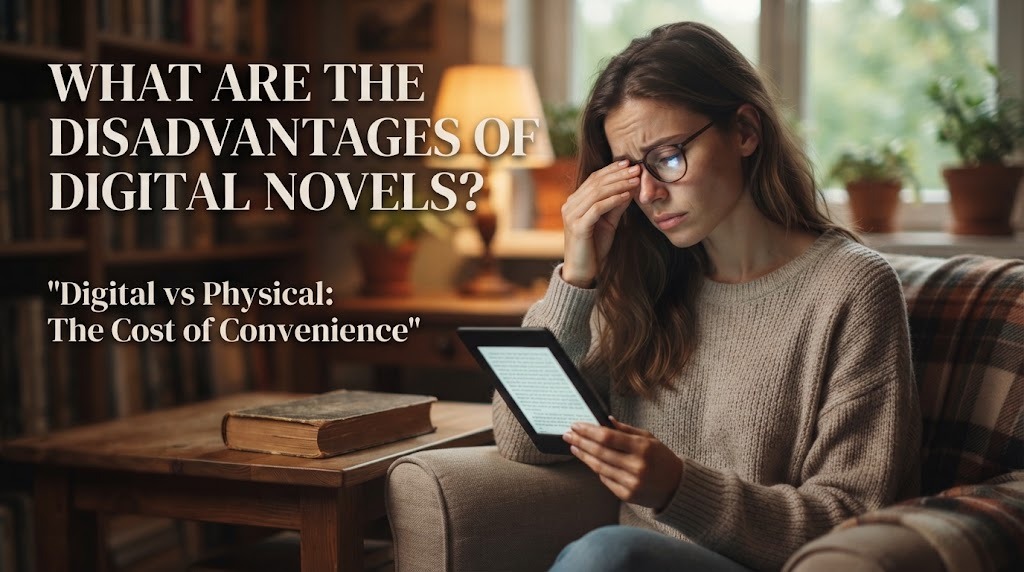
Digital novels have become a convenient alternative to traditional printed books. Readers can access many stories through smartphones, tablets, computers, and other digital devices. However, despite their convenience, digital novels also have several disadvantages that readers should consider. Screen exposure, distractions, and dependence on electronic devices can affect the reading experience. Understanding these limitations can help readers choose the reading format that suits their needs.
DEPENDENCE ON DIGITAL DEVICES
One of the main disadvantages of digital novels is their dependence on electronic devices. Readers need a smartphone, tablet, computer, or another compatible device to access their stories. If the device runs out of battery, becomes damaged, or has technical problems, reading may be interrupted. This is different from printed books, which can generally be read without electricity or an electronic device.
Device dependence can also become inconvenient during travel or in places with limited access to electricity. Readers may need to charge their devices before starting a long reading session. Some digital platforms may also require an internet connection for certain features. These factors can make digital reading less convenient in specific situations.
SCREEN EXPOSURE CAN CAUSE DISCOMFORT
Reading digital novels usually involves looking at a screen for an extended period. Long periods of screen use may cause eye discomfort, tiredness, or difficulty maintaining focus for some readers. Bright screens can also feel uncomfortable when the surrounding environment is dark. For this reason, readers need to pay attention to screen brightness and their reading environment.
Readers can reduce discomfort by adjusting the brightness, increasing the text size, and taking regular breaks. Choosing a comfortable reading position can also help. These habits do not eliminate every potential problem, but they can make digital reading more comfortable. Readers should avoid spending long periods staring at a screen without rest.
DIGITAL DEVICES CAN CAUSE DISTRACTIONS
Another disadvantage is the number of digital distractions available on the same device. While reading a novel on a smartphone, readers may receive messages, social media notifications, emails, or other alerts. These interruptions can break concentration and make it difficult to follow the story. Readers may also switch to other applications instead of continuing their novel.
This problem can affect reading consistency, especially for people who frequently check their phones. Turning off unnecessary notifications or using a dedicated reading mode can help reduce interruptions. Creating a quiet reading environment can also support better concentration. Without these habits, digital reading may become less focused.
NOT ALL CONTENT IS EASILY AVAILABLE
Although digital platforms offer many novels, availability can vary between services and regions. Some books may only be available on particular platforms or may not have a digital version. Certain novels can also require payment, subscriptions, or access through specific applications. This means readers may not always find every title they want in one place.
Digital availability can also change over time because of publishing agreements or platform policies. Readers may therefore need to use different services to find particular stories. Before purchasing a digital novel, it is useful to check the platform, format, and access conditions. This can help readers avoid unexpected limitations.
READING EXPERIENCE CAN FEEL LESS PHYSICAL
Some readers prefer the physical experience of printed books. Holding a book, turning its pages, and seeing its progress can create a reading experience that digital screens do not completely reproduce. Digital novels may feel less personal for readers who enjoy collecting and displaying physical books. This preference can influence whether someone enjoys digital reading.
Printed books also provide a simple reading environment without notifications or application menus. Digital novels, in comparison, are usually connected to a device with many other functions. For readers who enjoy a quiet and traditional experience, this difference can be important. Therefore, the preferred format can depend on personal habits and expectations.
ACCESS AND STORAGE CAN DEPEND ON PLATFORMS
Digital novels can also be affected by platform access and storage systems. Some books may be connected to a particular account or application, meaning readers need to use the supported platform to access them. If an application changes its features or a service becomes unavailable, the reading experience may also be affected.
Readers should understand how their purchased or downloaded novels are stored and accessed. It is also useful to choose reliable platforms and keep account information secure. These steps can reduce problems related to losing access to digital content. Being aware of platform conditions is an important part of responsible digital reading.
CONCLUSION
Digital novels offer convenience and flexibility, but they also have several limitations. Dependence on electronic devices, screen exposure, digital distractions, limited availability, and platform requirements can affect the reading experience. Some readers may also prefer the physical experience of printed books. However, many of these disadvantages can be managed through proper device settings, healthy reading habits, and careful platform choices. Ultimately, readers can choose between digital and printed novels based on their personal needs and preferences.
Tentang Penulis
Gusti Ayu Tita P
Penulis — Universitas STEKOM
Penulis aktif yang berfokus pada isu-isu akademik, teknologi pendidikan, dan pengembangan sumber daya manusia di lingkungan kampus.