What Are The Effects Of Excessive Virtual Friend Use?
Gusti Ayu Tita P
25 September 2026
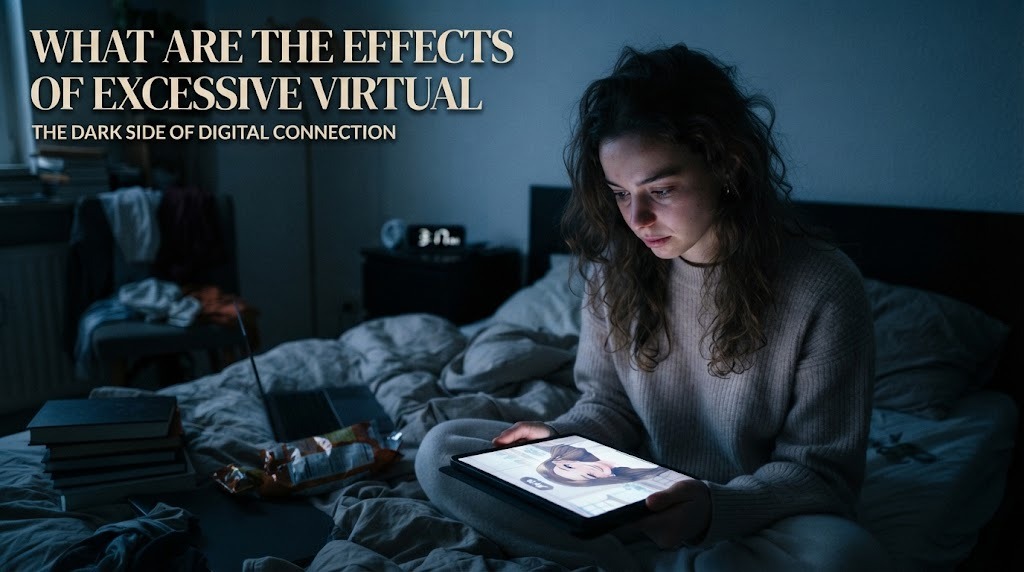
Virtual friends can provide companionship, conversation, and a convenient way to communicate with technology. They may be useful when people want to share thoughts, practice communication, or simply have a conversation. However, excessive virtual friend use can create problems when digital interaction begins to interfere with everyday activities and real-life relationships. Understanding these effects can help users maintain a healthier balance between virtual and real-world connections.
WHAT DOES EXCESSIVE VIRTUAL FRIEND USE MEAN?
Excessive virtual friend use happens when a person spends an unreasonable amount of time interacting with a virtual companion or feels a strong need to use it repeatedly. There is no single number of hours that automatically means someone is using a virtual friend excessively. The more important factor is whether the activity interferes with daily responsibilities, relationships, sleep, or other important activities. A person may need to reconsider their habits if virtual conversations consistently take priority over essential parts of life.
For example, someone might continue chatting with a virtual friend late at night and lose enough sleep to affect the next day. Another person may cancel social activities because they prefer staying online. These patterns can indicate that digital interaction is becoming difficult to manage. The impact on daily life is more important than simply counting hours of use.
HOW CAN EXCESSIVE USE AFFECT DAILY ACTIVITIES?
Spending too much time with a virtual friend can reduce the time available for school, work, household responsibilities, hobbies, and physical activities. A person may repeatedly postpone important tasks because they want to continue a conversation. Over time, this can make daily routines less organized and create unnecessary stress. Important responsibilities should not regularly be replaced by digital conversations.
Excessive use can also reduce opportunities to participate in activities outside the digital environment. People may spend less time exercising, meeting friends, enjoying hobbies, or helping family members. When this pattern continues, their daily routine can become increasingly centered around virtual interaction. Maintaining different activities throughout the day can help prevent this imbalance.
CAN IT AFFECT SLEEP AND REST?
Excessive virtual friend use may interfere with healthy sleep habits, particularly when conversations continue late at night. Using a device before bedtime can also make it harder for some people to follow a consistent sleep routine. If someone regularly stays awake to continue chatting, they may not get enough rest. Poor sleep can affect concentration, mood, energy, and performance during the following day.
A simple way to reduce this problem is to create a clear period without virtual conversations before going to sleep. Keeping devices away from the bed may also make it easier to follow the planned bedtime. Regular sleep should remain a priority even when a virtual friend is available at any time. Constant availability does not mean constant use is healthy.
DOES IT REDUCE REAL LIFE SOCIAL INTERACTION?
One possible effect of excessive use is reduced interaction with people in real life. Virtual conversations may feel convenient because users can communicate without leaving home or dealing with difficult social situations. However, avoiding real-world interaction too often can reduce opportunities to develop communication skills naturally. Face-to-face relationships provide experiences that virtual systems cannot fully reproduce.
Real-life communication includes body language, facial expressions, shared experiences, and emotional responses. These experiences can help people understand others and build stronger relationships. Virtual friends can be used as an additional communication tool, but they should not become the only form of social interaction. Maintaining contact with friends, family, classmates, and other people is important for a balanced social life.
CAN EXCESSIVE USE CREATE EMOTIONAL DEPENDENCE?
Virtual friends are designed to respond to conversations, which can make them feel easy and comfortable to talk to. If a person begins relying on a virtual friend for nearly all emotional support, emotional dependence may develop. The person might feel uncomfortable when they cannot access the virtual companion. They may also stop seeking support from people around them.
This does not mean that every frequent user will become emotionally dependent. The concern arises when virtual interaction consistently replaces human support or makes someone withdraw from important relationships. Keeping regular contact with trusted people can help maintain a healthier emotional balance. Virtual companionship should complement human connection rather than completely replace it.
CAN IT INCREASE SOCIAL AVOIDANCE?
For some people, virtual friends may provide an easier alternative to difficult social situations. This can be helpful for practicing communication, but excessive use may encourage someone to avoid challenging interactions altogether. If a person always chooses a virtual conversation instead of speaking with people in real life, their opportunities to practice social skills may decrease. Avoiding real-world communication repeatedly can make social situations feel more difficult over time.
Healthy use involves gradually maintaining real-world communication alongside digital interaction. People can start with simple activities such as talking to family members, joining group activities, or meeting a friend. A virtual friend can help someone prepare what they want to say, but it should not always be used as an escape from real communication.
HOW CAN EXCESSIVE USE AFFECT PRODUCTIVITY?
Virtual conversations can become distracting when they interrupt study, work, or other important tasks. Frequent notifications or the desire to continue a conversation can make it harder to focus on one activity. Switching repeatedly between tasks can also make daily work feel less efficient. Digital distractions can reduce the quality of attention given to important responsibilities.
Setting specific times for virtual interaction can help users protect their productive hours. Turning off unnecessary notifications may also reduce interruptions. Completing important tasks before starting a long conversation can create a better routine. This approach allows people to enjoy virtual companionship without allowing it to dominate their schedule.
CAN IT AFFECT PRIVACY AND PERSONAL INFORMATION?
Another concern involves the amount of personal information a user shares during frequent conversations. The more someone communicates with a digital service, the greater the opportunity to share details that they might not normally reveal. Users should therefore be careful with passwords, financial information, identification details, and highly sensitive personal information. A friendly conversation does not guarantee that sharing every private detail is safe.
Users should understand the privacy practices of the service they use and review available privacy settings. They should also think carefully before sharing information about other people. Limiting unnecessary personal details can reduce potential privacy risks. Good digital habits are important even when the conversation feels private or personal.
CAN IT CHANGE HOW PEOPLE VIEW REAL FRIENDSHIPS?
Excessive virtual friend use may influence a person's expectations about communication. A virtual companion can often respond quickly and remain available whenever the user starts a conversation. Human relationships are different because people have their own schedules, emotions, opinions, and personal boundaries. Real friendships naturally involve compromise, patience, and mutual effort.
If someone becomes accustomed to constant digital availability, normal human communication may sometimes feel less convenient. This does not mean virtual friends are harmful by themselves. Instead, users should understand that virtual and real relationships have different characteristics. Keeping realistic expectations can help people appreciate the value of human friendships.
HOW CAN PEOPLE REDUCE EXCESSIVE USE?
Reducing excessive virtual friend use can begin with small changes rather than stopping suddenly. Users can set daily time limits, create device-free periods, and schedule activities away from screens. Replacing some virtual conversations with hobbies, exercise, studying, or real-life social activities can also help. Gradual changes can make it easier to build healthier technology habits.
It can also help to identify situations that trigger excessive use, such as boredom, loneliness, or avoiding difficult tasks. Finding other ways to respond to these situations can reduce the need for constant digital interaction. If excessive use is seriously interfering with daily life or relationships, talking to a trusted person or qualified professional may provide additional support.
HOW CAN VIRTUAL FRIENDS BE USED IN A HEALTHY WAY?
Virtual friends can remain useful when they are included as one part of a balanced lifestyle. Users can interact with them for casual conversation, communication practice, brainstorming, or emotional reflection without allowing the activity to replace important responsibilities. Setting boundaries around time, privacy, and emotional dependence can make digital interaction safer and more manageable. Regular breaks can also help users evaluate whether the technology is still serving a useful purpose.
A healthy approach is to combine virtual interaction with real-world activities. People should continue spending time with family and friends, completing responsibilities, sleeping adequately, and participating in hobbies or physical activities. Virtual friends can provide convenience and companionship, but a balanced life should include many forms of connection and activity.
CONCLUSION
Excessive virtual friend use can affect daily routines, sleep, productivity, privacy, emotional habits, and real-life social interaction. Virtual friends can be helpful, but problems may arise when they become more important than responsibilities or human relationships. Setting time limits, protecting personal information, and maintaining real-world connections can help users avoid unhealthy patterns. The goal is not to avoid virtual friends completely, but to use them in a way that supports a balanced and healthy lifestyle.
Tentang Penulis
Gusti Ayu Tita P
Penulis — Universitas STEKOM
Penulis aktif yang berfokus pada isu-isu akademik, teknologi pendidikan, dan pengembangan sumber daya manusia di lingkungan kampus.