What Are the Effects of Workaholism on Mental Health?
Gusti Ayu Tita P
24 September 2026
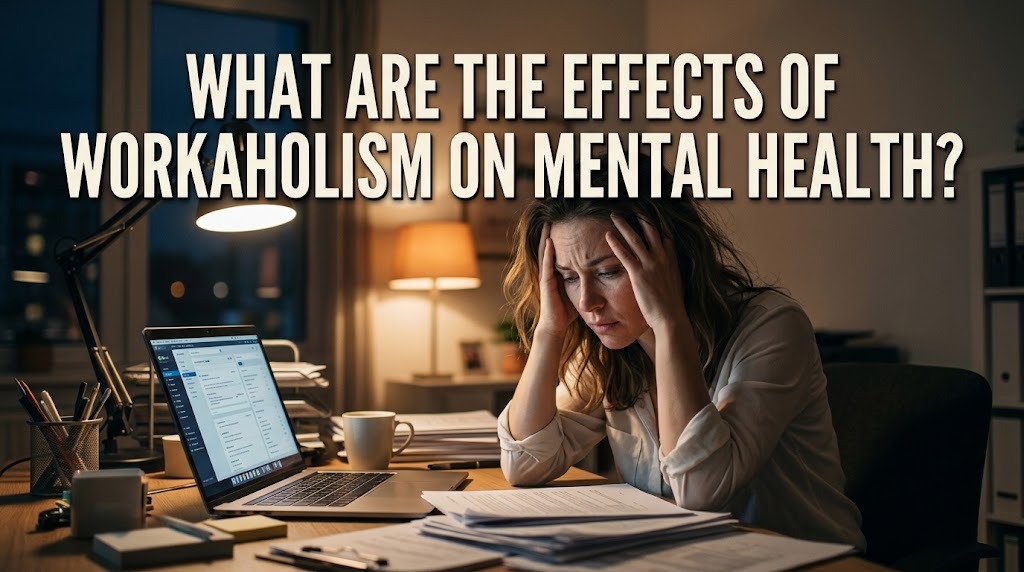
Work can provide purpose, income, and opportunities to develop skills, but excessive focus on work can affect overall well-being. Workaholism describes a pattern of excessive and difficult-to-control involvement in work. A person may continue working even when there is no immediate need to do so or when they need time to rest. Over time, this pattern can affect mental health, relationships, and the ability to recover from daily demands.
UNDERSTANDING WORKAHOLISM AND MENTAL HEALTH
Workaholism is different from simply being busy or working hard during a demanding period. A person can temporarily work longer hours because of an important deadline without developing a persistent pattern of excessive work. Workaholic behavior is more closely associated with a strong internal need to keep working and difficulty mentally disconnecting from work. The relationship with work is therefore an important part of understanding the behavior.
Mental health can be affected when work consistently receives more attention than rest and personal needs. Constant pressure to remain productive may leave less time for recovery and enjoyable activities. When this pattern continues, everyday life can become increasingly centered around professional responsibilities. Healthy boundaries between work and personal life can help reduce this imbalance.
WORKAHOLISM CAN INCREASE STRESS
One common concern associated with excessive working is increased stress. When people constantly feel that more work needs to be completed, they may experience ongoing pressure throughout the day. Deadlines, responsibilities, and expectations can become difficult to mentally switch off from. Even after working hours, thoughts about unfinished tasks may continue.
Persistent stress can also affect how a person approaches everyday challenges. Small problems may feel more difficult when someone has little opportunity to recover between demanding activities. Taking appropriate breaks and creating reasonable boundaries can help provide time for recovery. Managing workload and allowing sufficient rest are important parts of maintaining well-being.
EFFECTS ON MOOD AND EMOTIONAL WELL BEING
Excessive work can also influence emotional well-being. A person who spends most of their time working may have fewer opportunities to enjoy hobbies, social activities, or meaningful personal experiences. This can make daily life feel repetitive and overly focused on responsibilities. A lack of enjoyable activities can reduce opportunities for emotional recovery.
Some people may also become frustrated when work does not go according to their expectations. If self-worth becomes strongly connected to achievement, mistakes or unfinished tasks may feel especially difficult. This does not mean that workaholism automatically causes a specific mental health condition. However, persistent work pressure and limited recovery can contribute to emotional difficulties for some people.
WORKAHOLISM CAN AFFECT SLEEP AND RECOVERY
Healthy sleep and recovery are important for maintaining mental and physical functioning. However, workaholic habits may encourage people to continue working late or think about work before sleeping. Checking work messages at night can also make it harder to create a clear transition from work to rest. Over time, insufficient recovery can make daily responsibilities feel more difficult.
A consistent sleep routine and clear stopping point can help create healthier boundaries. People can also reduce unnecessary work notifications during personal time. Making room for relaxing activities before sleep may help separate the working day from the recovery period. Rest is an essential part of maintaining sustainable performance, not something that needs to be earned by completing every possible task.
EFFECTS ON SOCIAL AND PERSONAL LIFE
Workaholism can extend beyond working hours and affect relationships and personal activities. A person may repeatedly cancel plans, avoid hobbies, or remain unavailable because of work responsibilities. Even when they are physically present with others, checking work messages or thinking about tasks can reduce the quality of interaction. Over time, this can make it harder to maintain meaningful connections.
Personal activities can provide important opportunities to recover from work demands. Spending time with family, friends, hobbies, or other interests can help create variety in daily life. Protecting these activities does not mean ignoring professional responsibilities. Instead, maintaining personal connections and interests can contribute to a more balanced routine.
HOW TO SUPPORT HEALTHIER WORK HABITS
Reducing workaholic habits can begin with small and realistic changes. Setting clear working hours, taking regular breaks, and deciding which tasks are genuinely important can help prevent unnecessary overwork. It can also be useful to create a routine for ending the workday and avoiding nonessential work notifications afterward. These steps can make it easier to mentally disconnect from professional responsibilities.
If excessive work is causing significant difficulties in daily life or well-being, talking to a qualified mental health professional can provide appropriate support. Professional guidance can help someone understand their patterns and identify practical ways to manage them. Support from trusted people can also be valuable when changing long-standing habits. The goal is not to avoid work completely, but to develop a healthier relationship with work and recovery.
CONCLUSION
Workaholism can affect mental health by contributing to ongoing stress, limited recovery, emotional difficulties, sleep disruption, and reduced personal time. The effects can vary from person to person, and workaholism should not automatically be considered the cause of a specific mental health condition. Nevertheless, consistently excessive work and difficulty disconnecting can make it harder to maintain a balanced routine. Healthy boundaries, adequate rest, meaningful relationships, and appropriate support can help create a more sustainable relationship with work.
Tentang Penulis
Gusti Ayu Tita P
Penulis — Universitas STEKOM
Penulis aktif yang berfokus pada isu-isu akademik, teknologi pendidikan, dan pengembangan sumber daya manusia di lingkungan kampus.