What Are the Impacts of Student Demonstrations on Campus Life and Academic Activities?
Gusti Ayu Tita P
28 September 2026
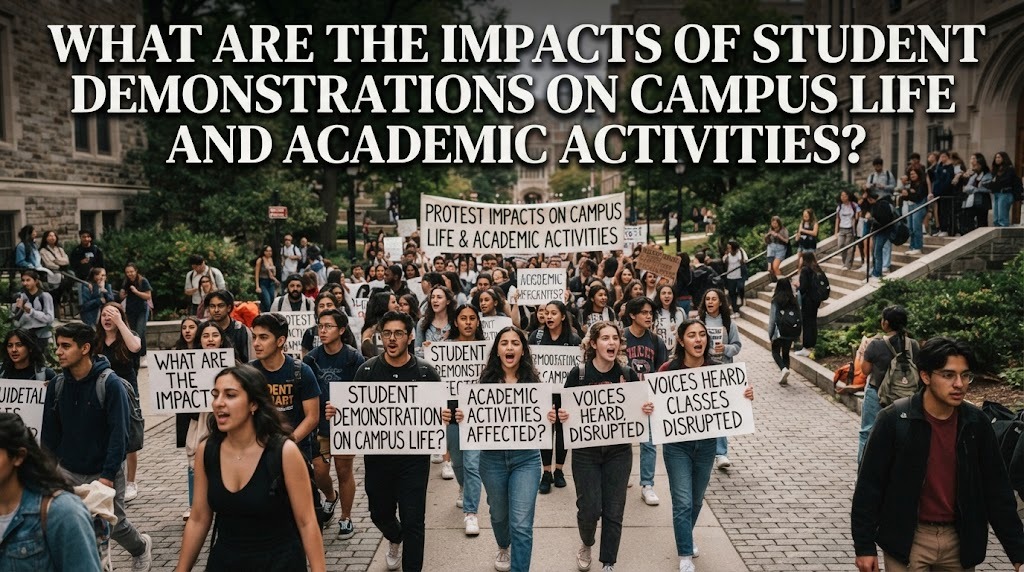
Student demonstrations can influence Campus Life and academic activities in several ways. They may provide students with opportunities to express concerns, discuss issues, and participate in public affairs. At the same time, demonstrations can affect schedules, communication, and activities on or around campus. The impact can vary depending on the size, location, duration, and organization of the activity. Responsible participation can help reduce unnecessary disruption while preserving opportunities for expression.
ENCOURAGING STUDENT PARTICIPATION
Demonstrations can encourage students to become more aware of issues related to education and society. Students may discuss policies, campus conditions, or broader concerns that affect their communities. Student Participation can help students become more engaged with issues beyond classroom subjects. These experiences may encourage discussion among students with different perspectives. Participation can also provide practical lessons about communication and organization.
However, students may have different levels of interest in public activities. Some may choose to participate directly, while others may prefer discussions, research, or other forms of expression. Active Citizenship does not require everyone to participate in the same way. Respecting different choices can help maintain a healthy campus environment. Students can contribute through various responsible channels.
AFFECTING ACADEMIC ACTIVITIES
Demonstrations can sometimes overlap with lectures, examinations, assignments, or other academic activities. When this occurs, students may need to manage their schedules carefully. Academic Activities can remain a priority while students participate in other activities outside the classroom. Planning ahead can help reduce the possibility of missed assignments or academic responsibilities. Communication with classmates and academic staff may also help when scheduling issues arise.
The effect on academic activities can depend on the circumstances of the demonstration. A short activity in a designated area may have a different effect from a large gathering that occupies shared campus spaces. Academic Continuity can be supported when students and organizers consider existing educational activities. Clear scheduling and communication can help reduce unnecessary disruption. Students should remain aware of their academic responsibilities throughout their participation.
CREATING OPPORTUNITIES FOR DIALOGUE
Demonstrations can bring attention to concerns that students want institutions to consider. Public expression may encourage discussions between students, campus organizations, and relevant decision-makers. Constructive Dialogue can provide an opportunity to clarify concerns and explore possible solutions. Students can strengthen these discussions by presenting accurate information and specific arguments. Listening to responses is also an important part of meaningful communication.
Dialogue can continue after a demonstration through meetings, forums, or written communication. These activities can help students and institutions discuss issues in greater detail. Campus Communication can become more effective when different parties have opportunities to explain their perspectives. Students can learn how to present concerns while remaining open to discussion. This can contribute to a more informed campus environment.
DEVELOPING STUDENT SKILLS
Participating in demonstrations can provide students with practical opportunities to develop certain skills. Students may practice Communication Skills when presenting ideas or discussing issues with others. They can also develop teamwork by coordinating with other participants. Analyzing issues before expressing an opinion can strengthen critical thinking. These experiences can complement formal academic learning.
Students may also learn about responsibility and organization through participation. They may need to coordinate schedules, communicate information, and respond to changing circumstances. Leadership Skills can develop when students take responsible roles within organized activities. Reflection after an activity can help students understand what they learned. These skills may later be useful in organizations and professional environments.
MAINTAINING A BALANCED CAMPUS ENVIRONMENT
A healthy campus environment should provide space for both academic activities and responsible expression. Students can communicate their concerns while respecting people who are attending classes or performing other responsibilities. Campus Responsibility involves considering how an activity affects the wider campus community. Organizers and participants can help reduce disruption by maintaining order and respecting shared spaces. Cooperation can make it easier to balance different interests.
Students should also recognize that campus life includes people with different views and priorities. Respectful communication can prevent disagreements from becoming unnecessary conflicts. Respectful Participation encourages students to express their opinions without intimidating or harming others. This approach can support a more inclusive environment. Maintaining balance requires consideration from all members of the campus community.
CONCLUSION
Student demonstrations can affect campus life and academic activities by encouraging participation, creating dialogue, developing skills, and sometimes influencing schedules or shared spaces. Student Participation can provide valuable learning experiences when activities are conducted responsibly. At the same time, students should continue managing their academic responsibilities and respect the needs of others. Clear communication and organized activities can help reduce unnecessary disruption. A balanced approach can allow students to express aspirations while supporting a productive campus environment.
Tentang Penulis
Gusti Ayu Tita P
Penulis — Universitas STEKOM
Penulis aktif yang berfokus pada isu-isu akademik, teknologi pendidikan, dan pengembangan sumber daya manusia di lingkungan kampus.