What Are the Main Duties of a New SAR Team in Emergency Situations?
Gusti Ayu Tita P
29 September 2026
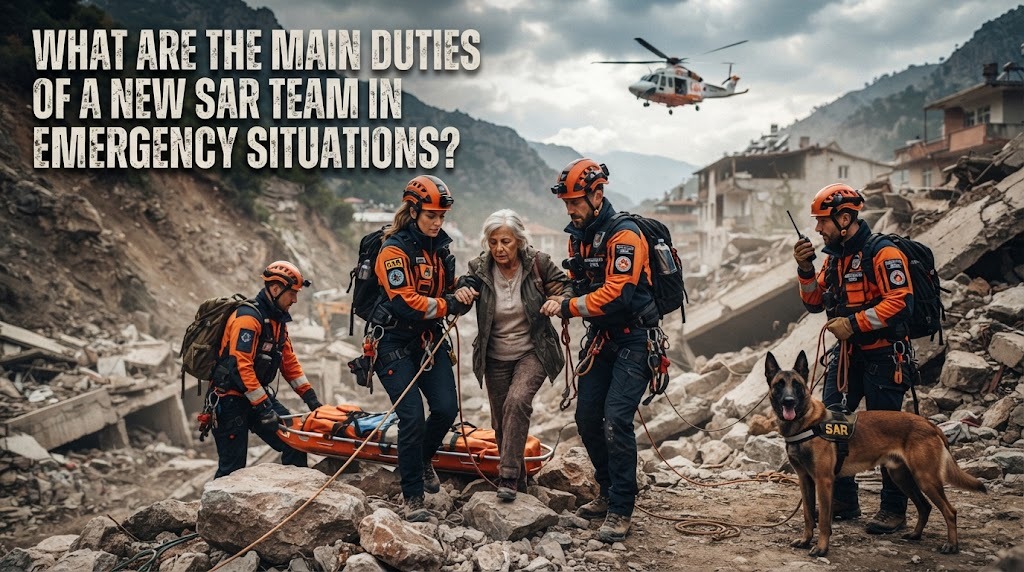
A new SAR team has an important role in responding to people who face accidents, disasters, or other dangerous situations. Its duties generally involve receiving information, preparing personnel and equipment, searching for victims, providing assistance, and supporting evacuation. In Indonesia, search and rescue operations are designed to provide services that are fast, accurate, safe, integrated, and coordinated.
For a new team, understanding its duties is essential before entering an emergency area. Members need to know their individual responsibilities while also following the team's operational structure. A SAR operation involves a series of activities, including information gathering, initial action, planning, mobilization, control, search, assistance, and victim rescue.
RECEIVING AND ASSESSING EMERGENCY INFORMATION
One of the first duties of a SAR team is to obtain clear information about an emergency. The information can include the location, type of incident, number of people involved, last known position, and possible hazards. BASARNAS explains that reported incidents are received, recorded, and verified before search and rescue personnel move toward the location.
A new team should carefully assess the available information before beginning field activities. Accurate information helps determine the personnel, equipment, transportation, and operational approach required for the mission. Members should also identify information that is still uncertain and communicate it to the appropriate coordinator. This initial assessment helps the team avoid confusion and prepare for changing conditions.
CONDUCTING SEARCH OPERATIONS
Searching for people who are missing or in danger is one of the main responsibilities of a search and rescue team. Search activities may take place on land, at sea, in the air, or in difficult environments depending on the incident. A search unit normally receives a defined area or task and conducts the operation according to the established plan. BASARNAS materials describe stages such as briefing, deployment, movement to the search area, searching, possible replacement of search units, withdrawal, and debriefing.
New SAR members need to understand search procedures before participating in an actual mission. They may use maps, navigation equipment, communication systems, and other appropriate resources to support the search. Systematic searching is important because teams need to record what areas have been checked and what information has been discovered. Clear reporting also helps coordinators decide what should happen next.
PROVIDING ASSISTANCE AND RESCUING VICTIMS
After locating a victim, the SAR team's next duty may involve providing appropriate assistance and carrying out a rescue. Depending on the team's training and the incident, this can include reaching the victim, providing basic first aid, moving the person from immediate danger, or preparing the victim for evacuation. BASARNAS identifies searching, helping, saving, and evacuating people facing emergencies as core operational activities.
New rescuers must work according to their training and assigned responsibilities. Technical or medical procedures should only be performed by personnel with the appropriate qualifications. Victim safety should remain central during the rescue because careless movement or an unsuitable technique can create additional risks. When medical support is required, the SAR team should coordinate with the relevant medical personnel.
SUPPORTING EVACUATION AND SAFE TRANSPORT
Finding and assisting a victim does not always end the operation. In many emergencies, the victim must be moved from a dangerous location to a safer area or transferred for further medical care. A SAR team may therefore have duties related to victim evacuation, depending on the situation, available resources, and its operational role. BASARNAS specifically includes victim evacuation within its field operations.
Evacuation needs careful planning because the route may contain additional hazards. Members should consider the victim's condition, terrain, weather, accessibility, and available transportation before moving the person. Safe evacuation procedures can reduce unnecessary injury and help responders work in a more organized way. The team should also communicate with receiving medical or emergency personnel when the victim requires continued assistance.
COORDINATING WITH OTHER RESPONSE TEAMS
A new SAR team rarely works completely alone during a major emergency. It may need to coordinate with other SAR units, police, firefighters, medical teams, local authorities, disaster management organizations, or community responders. BASARNAS describes coordination, mobilization, and control of SAR resources as part of its operational responsibilities.
Good coordination helps different organizations understand their responsibilities and share important information. INSARAG guidance also emphasizes team coordination, communication, information exchange, and cooperation with other response entities during USAR operations. A new team should therefore follow the established command and communication structure rather than creating a separate system during an emergency. Strong coordination can make the overall response more organized.
MAINTAINING RESCUER SAFETY AND OPERATIONAL READINESS
One of the most important duties of a SAR team is protecting its own members while carrying out rescue activities. Rescuers can face hazards such as unstable structures, difficult terrain, dangerous water, severe weather, or other conditions depending on the incident. INSARAG guidance states that safety and security planning should continue throughout the mission, while team management is responsible for oversight of safety and coordination.
A new team should inspect equipment, maintain communication, monitor conditions, and follow established safety procedures throughout an operation. Members also need to understand when a situation requires additional resources or specialized assistance. Operational readiness includes having trained personnel, functioning equipment, communication systems, and clear procedures before deployment. BASARNAS also identifies standby duties, training, communication management, equipment management, and coordination as important functions of its search and rescue offices.
CONCLUSION
The main duties of a new SAR team in an emergency include receiving and assessing information, conducting searches, assisting and rescuing victims, supporting evacuation, coordinating with other responders, and maintaining operational safety. Each responsibility requires clear procedures and cooperation between team members. Search and rescue duties are connected, so weaknesses in one area can affect the wider operation.
A new team should therefore focus on training, communication, equipment readiness, role clarity, and coordination before taking part in demanding missions. Regular exercises can help members understand how to perform their responsibilities under controlled conditions. By following established procedures and working within their capabilities, a new search and rescue team can contribute to emergency operations in a safe and organized manner.
Tentang Penulis
Gusti Ayu Tita P
Penulis — Universitas STEKOM
Penulis aktif yang berfokus pada isu-isu akademik, teknologi pendidikan, dan pengembangan sumber daya manusia di lingkungan kampus.