What Are the Signs That Someone Has Trust Issues?
Gusti Ayu Tita P
26 September 2026
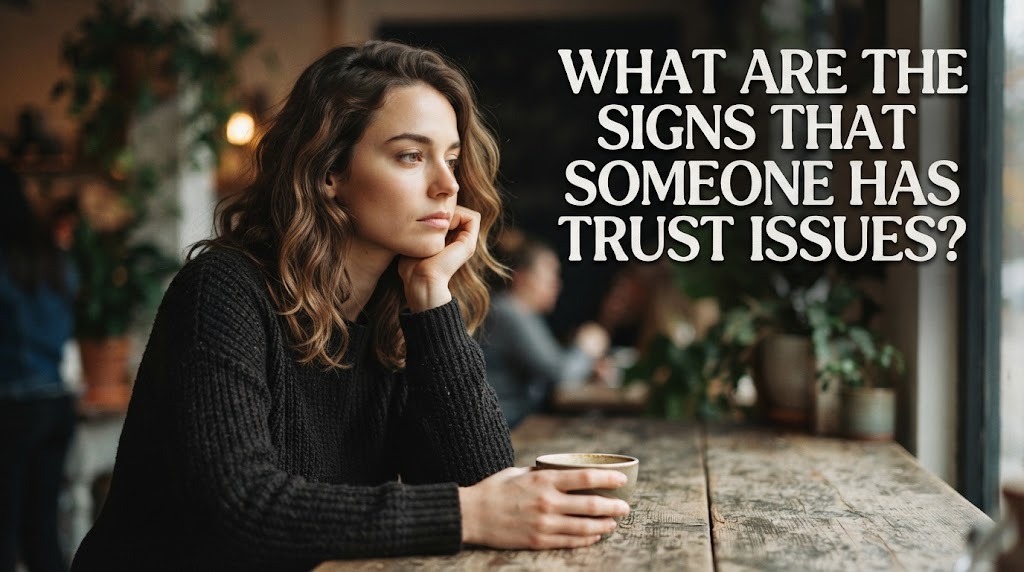
Trust is an important part of healthy relationships, friendships, and social connections. However, someone with trust issues may find it difficult to believe other people even when there is no clear reason to doubt them. These difficulties can affect communication, emotional closeness, and the ability to feel secure around others.
Trust issues can appear in different ways depending on a person's experiences and personality. Some people become highly suspicious, while others avoid emotional closeness altogether. Recognizing the signs of trust issues can help someone understand their behavior and identify healthier ways to build trust.
CONSTANTLY DOUBTING OTHER PEOPLE
One common sign of trust issues is frequently questioning whether other people are being honest. A person may doubt someone's explanation even when there is reasonable evidence supporting it. They may repeatedly wonder whether another person is hiding something.
This doubt can occur in romantic relationships, friendships, family connections, or professional environments. The person may ask the same questions several times because reassurance does not feel sufficient. Over time, constant doubt can create tension and make relationships feel emotionally exhausting.
OVERTHINKING SMALL SITUATIONS
People with trust issues may spend a lot of time analyzing ordinary interactions. A delayed message, short response, or change in plans can lead to many negative interpretations. Instead of seeing the situation as neutral, they may immediately consider what could be wrong.
This pattern can increase overthinking in relationships and make a person feel constantly worried. The more they analyze uncertain situations, the more difficult it may become to separate facts from assumptions. Learning to pause and consider different explanations can help create a more balanced response.
NEEDING CONSTANT REASSURANCE
Another possible sign is frequently needing reassurance from other people. Someone may repeatedly ask whether their partner still cares, whether a friend is upset with them, or whether everything is okay. Even after receiving an answer, they may continue to feel uncertain.
The need for reassurance can come from insecurity or fear of rejection. While occasional reassurance is normal in relationships, constantly depending on it can become emotionally tiring for both people. Developing self confidence and emotional security can help reduce this pattern.
FINDING IT DIFFICULT TO OPEN UP
Someone with trust issues may struggle to share personal thoughts and feelings. They may worry that other people will judge them, reject them, betray their confidence, or use their vulnerability against them. As a result, they may keep emotional distance even from people who genuinely care about them.
This behavior can make it difficult to build emotional intimacy. The person may want a close relationship but still feel uncomfortable becoming vulnerable. Gradually sharing feelings with trustworthy people can help create safer and more positive experiences.
EXPECTING THE WORST FROM OTHERS
A person with trust issues may often expect that other people will eventually disappoint them. They might assume that someone will lie, leave, break a promise, or take advantage of their trust. This expectation can develop after repeated negative experiences.
Expecting the worst can become a form of emotional protection. If someone assumes that a relationship will fail, they may feel less surprised if something goes wrong. However, negative expectations can also prevent them from recognizing genuine honesty and positive behavior.
BECOMING JEALOUS OR SUSPICIOUS
Jealousy and suspicion can sometimes be connected to trust difficulties, especially in romantic relationships. Someone may feel uncomfortable when their partner spends time with other people or communicates with friends and coworkers. They may interpret ordinary interactions as potential signs of betrayal.
When suspicion becomes excessive, it can affect both partners. The person experiencing jealousy may feel anxious, while their partner may feel constantly questioned. Healthy relationships require mutual trust, communication, and reasonable boundaries rather than continuous monitoring.
AVOIDING CLOSE RELATIONSHIPS
Not everyone with trust issues becomes suspicious or controlling. Some people respond by avoiding closeness altogether. They may avoid serious relationships, keep conversations superficial, or withdraw when someone starts becoming emotionally important.
Avoiding relationships can feel safer because it reduces the possibility of being hurt. However, it can also prevent someone from experiencing healthy emotional connections. Recognizing this pattern can be an important step toward understanding why closeness feels uncomfortable.
CONCLUSION
The signs of trust issues can include constant doubt, overthinking, needing reassurance, difficulty opening up, expecting the worst, jealousy, suspicion, and avoiding close relationships. These behaviors may develop as responses to past betrayal, disappointment, insecurity, or fear of being hurt.
Having one of these behaviors does not automatically mean someone has serious trust issues. What matters is whether the pattern happens frequently and begins to interfere with healthy relationships. With self awareness, honest communication, positive experiences, and appropriate support, people can gradually develop healthier ways to trust others.
Tentang Penulis
Gusti Ayu Tita P
Penulis — Universitas STEKOM
Penulis aktif yang berfokus pada isu-isu akademik, teknologi pendidikan, dan pengembangan sumber daya manusia di lingkungan kampus.