
What Challenges Do HR Managers Face in Managing Modern Employees?
Gusti Ayu Tita P
23 September 2026
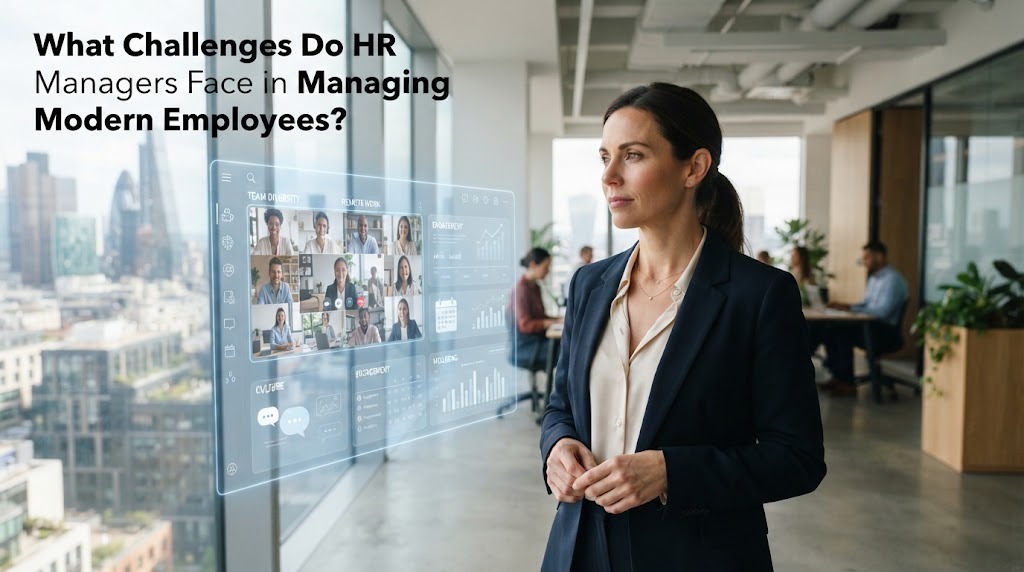
HR managers have an important responsibility in managing employees and supporting organizational goals. However, managing modern employees can be more complex because workplaces are changing due to technology, flexible work arrangements, different generations, and changing employee expectations. HR managers must balance the needs of employees with the requirements of the organization. This requires good communication, adaptability, and effective human resource strategies.
Modern employees may have different expectations about career growth, workplace flexibility, communication, recognition, and work life balance. At the same time, companies need employees who can remain productive and adapt to changing business conditions. HR managers therefore need to create policies and practices that support both employee development and organizational performance.
MANAGING DIFFERENT GENERATIONS
One challenge for HR managers is managing employees from different generations in the same workplace. Employees may have different communication preferences, work experiences, career expectations, and attitudes toward technology. These differences can sometimes create misunderstandings between colleagues or teams. HR managers need to create an environment where employees can work together despite these differences.
The solution is not to assume that everyone from a particular generation behaves in the same way. HR managers should focus on individual needs, skills, and working preferences. Clear communication, teamwork, mentoring, and inclusive workplace practices can help employees understand one another. This can support stronger collaboration across different age groups.
SUPPORTING HYBRID AND REMOTE WORK
Flexible work arrangements have created new responsibilities for HR managers. Remote and hybrid employees may work from different locations and have different schedules. This can make communication, collaboration, performance monitoring, and employee engagement more difficult. HR teams need policies that clearly explain expectations while still providing reasonable flexibility.
HR managers also need to consider whether employees have access to the technology and support required to work effectively. Regular communication can help remote employees remain connected with their teams. Managers should focus on clear goals and measurable outcomes rather than relying only on physical presence. A well-designed flexible work system can support productivity while addressing employee needs.
MAINTAINING EMPLOYEE ENGAGEMENT
Keeping employees engaged is another major challenge for HR managers. Employees may become less engaged when they feel that their work has little meaning, their contributions are not recognized, or their development opportunities are limited. Low engagement can affect motivation, collaboration, and employee retention. HR managers therefore need to understand what employees value in the workplace.
Regular surveys, feedback sessions, and conversations with employees can help HR teams identify concerns. Recognition programs, career development opportunities, meaningful responsibilities, and supportive leadership can also contribute to engagement. However, engagement strategies should be based on actual employee needs rather than assumptions. Different employees may respond to different forms of support.
ADDRESSING WORK LIFE BALANCE
Modern employees often place significant importance on maintaining a healthy balance between professional and personal responsibilities. Excessive workloads, long working hours, and constant digital communication can make this difficult. HR managers need to consider how workplace policies affect employee well being and productivity. They also need to ensure that flexibility does not result in unclear expectations or unequal workloads.
Clear workload planning can help prevent employees from being overwhelmed. Organizations can also establish reasonable communication expectations outside normal working hours. Managers should monitor workload patterns and encourage employees to use available leave and support programs appropriately. A sustainable approach can help employees remain productive without creating unnecessary pressure.
DEVELOPING EMPLOYEE SKILLS
Technology and business processes continue to change, which means employees may need to develop new skills. HR managers must identify which capabilities are important for current and future roles. Training programs need to be relevant to actual workplace requirements rather than simply offering courses without clear objectives. This can make employee development more practical and measurable.
Upskilling and reskilling can involve technical training, digital skills, communication, leadership, problem solving, and other competencies. HR managers can combine formal training with mentoring, coaching, job rotations, and practical projects. Regular skills assessments can help identify gaps and determine where development resources should be focused. Continuous learning can also help employees adapt to changing job requirements.
MANAGING EMPLOYEE EXPECTATIONS
Employee expectations can be challenging to manage when they differ from organizational policies or available resources. Employees may expect rapid promotions, flexible schedules, higher compensation, professional development, or greater autonomy. HR managers need to communicate clearly about what the organization can realistically provide. Failing to communicate expectations can lead to frustration and misunderstandings.
Transparent communication can help employees understand workplace policies and career opportunities. HR managers should explain the criteria for promotions, performance evaluations, compensation decisions, and other important processes. Employees should also have appropriate opportunities to ask questions or provide feedback. Clear expectations can reduce confusion and strengthen trust between employees and the organization.
RETAINING TALENT
Employee retention is another important challenge in modern workplaces. Skilled employees may leave when they find better career opportunities, compensation, flexibility, or development options elsewhere. HR managers need to understand why employees stay and why they consider leaving. This requires more than simply offering higher salaries.
Career development, supportive leadership, recognition, meaningful work, and opportunities to learn can influence employee retention. HR managers can use employee feedback and workforce data to identify patterns in turnover. Exit interviews may also provide useful information about recurring workplace issues. These insights can help organizations improve their employee experience.
USING HR TECHNOLOGY EFFECTIVELY
Technology has become an important part of human resource management. HR managers may use systems for recruitment, payroll, performance management, employee records, training, and workforce analytics. However, implementing technology can create challenges if employees do not understand how to use new systems. Poor data quality or complicated processes can also reduce the benefits of HR technology.
HR managers need to ensure that technology supports rather than unnecessarily complicates HR processes. Employees should receive appropriate training when new systems are introduced. HR teams should also protect employee information and establish responsible data practices. Technology can improve efficiency, but it still requires careful human oversight.
MANAGING WORKPLACE CONFLICTS
Workplace conflicts can arise from differences in communication styles, responsibilities, expectations, or personal perspectives. If conflicts are ignored, they may affect teamwork and employee morale. HR managers often need to help employees address disagreements in a fair and professional manner. The goal should be to understand the issue and find a constructive way forward.
Effective conflict management requires active listening and clear communication. HR managers should avoid making assumptions before understanding the perspectives of the people involved. Workplace policies should also provide consistent guidance for handling serious disputes. A fair process can help employees feel that their concerns are being taken seriously.
CONCLUSION
HR managers face many challenges when managing modern employees, including generational differences, hybrid work, employee engagement, work life balance, skill development, changing expectations, talent retention, HR technology, and workplace conflicts. These challenges require HR professionals to remain flexible while maintaining clear and fair workplace policies. Understanding individual employee needs is also important because modern workforces are not uniform. By combining communication, employee development, technology, and effective HR practices, organizations can create a workplace that supports both employees and business goals.
Tentang Penulis
Gusti Ayu Tita P
Penulis — Universitas STEKOM
Penulis aktif yang berfokus pada isu-isu akademik, teknologi pendidikan, dan pengembangan sumber daya manusia di lingkungan kampus.



