What Challenges Do Ministry Civil Servants Face in Their Careers?
Gusti Ayu Tita P
26 September 2026
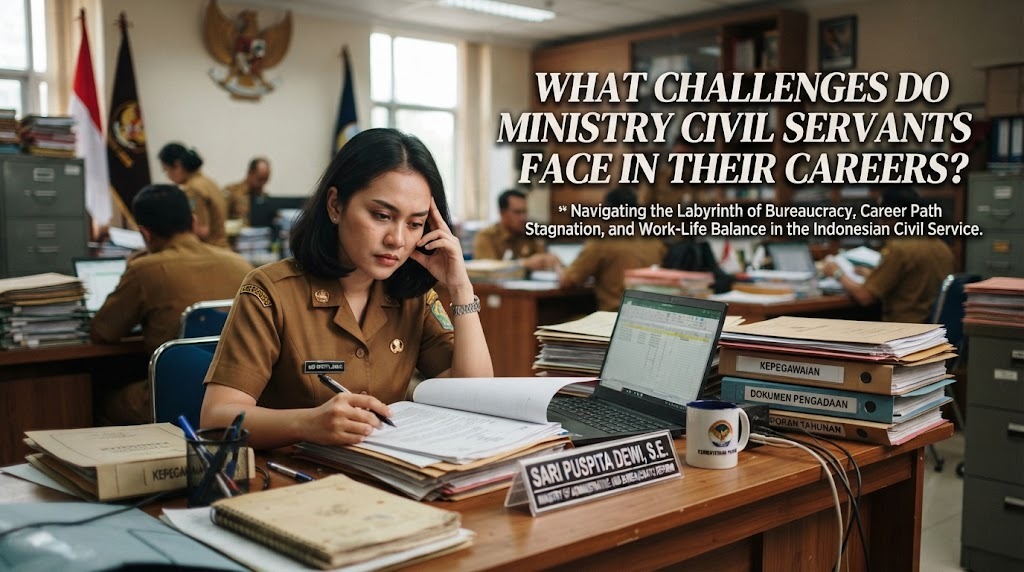
Ministry civil servants have important responsibilities in supporting government programs and providing public services. Their work requires them to follow regulations while responding to changes in technology, policies, and public expectations. Career Challenges can arise from changing responsibilities, complex administrative processes, and the need to continuously improve professional skills. Understanding these challenges can help civil servants prepare for their careers and perform their responsibilities more effectively.
ADAPTING TO POLICY AND REGULATORY CHANGES
Government policies and regulations can change as national priorities and public needs develop. Civil servants need to understand new rules and apply them correctly in their daily work. Policy Changes may require employees to adjust procedures, responsibilities, and methods of providing services. This process can require careful learning and coordination.
Adapting to new regulations can be challenging when changes occur within a short period. Employees need to stay informed and communicate with colleagues to avoid misunderstandings. Regulatory Knowledge is important because incorrect interpretation can affect administrative processes and public services. Continuous professional learning can help employees remain prepared for changes.
KEEPING UP WITH DIGITAL TRANSFORMATION
Government institutions are increasingly using digital systems to manage information and deliver services. Civil servants may need to learn new applications, databases, electronic documents, and online service platforms. Digital Transformation can improve efficiency, but employees need appropriate skills to use new systems effectively. Differences in digital abilities can create additional learning requirements.
Technology also introduces responsibilities related to cybersecurity and data protection. Employees need to understand how to handle information safely and follow institutional security procedures. Digital Skills are therefore becoming an important part of modern public sector work. Regular training can help employees adapt to technological developments while reducing operational risks.
MANAGING WORKLOAD AND ADMINISTRATIVE DEMANDS
Civil servants may handle multiple tasks, deadlines, reports, meetings, and public service responsibilities. Managing these activities requires good planning and prioritization. Workload Management can help employees organize responsibilities according to urgency and importance. Without effective organization, a high workload can make it more difficult to maintain consistent work quality.
Administrative tasks also require accuracy because government documents and records often need to follow specific procedures. Employees must balance efficiency with careful attention to detail. Time Management can help civil servants complete assignments while meeting established deadlines. Cooperation within teams can also make complex workloads easier to manage.
MEETING PUBLIC EXPECTATIONS
Public expectations for government services can continue to increase as people become more familiar with fast and convenient digital services. Civil servants need to provide services according to applicable standards while responding professionally to different public needs. Public Expectations can sometimes create pressure to improve service quality and accessibility. Employees therefore need strong communication and problem-solving skills.
Feedback from the public can also reveal areas that require improvement. Complaints and suggestions should be handled professionally and used as information for evaluating services. Service Quality depends on both effective systems and the way employees interact with the community. Maintaining respectful communication can help build trust during public service interactions.
DEVELOPING SKILLS AND CAREER COMPETENCE
Government work continues to change, so civil servants need to develop their professional abilities throughout their careers. They may need to improve technical knowledge, communication, leadership, data skills, or other competencies relevant to their positions. Professional Development can help employees remain prepared for changing responsibilities. Learning opportunities may include training, workshops, mentoring, and practical assignments.
Career development can also require employees to understand their strengths and areas for improvement. Setting professional goals can help them identify which skills need further development. Career Growth can be supported by continuous learning and meaningful work experience. A proactive approach to professional development can help employees respond to future workplace demands.
CONCLUSION
Ministry civil servants can face challenges related to Policy Changes, digital transformation, workload management, public expectations, and professional development. These challenges require employees to remain adaptable and willing to learn throughout their careers. Strong digital skills, communication abilities, time management, and regulatory knowledge can help employees handle changing responsibilities. Institutions can also support employees through training, clear procedures, and effective teamwork. By continuously developing their competencies, civil servants can remain prepared to meet changing demands in the public sector.
Tentang Penulis
Gusti Ayu Tita P
Penulis — Universitas STEKOM
Penulis aktif yang berfokus pada isu-isu akademik, teknologi pendidikan, dan pengembangan sumber daya manusia di lingkungan kampus.