What Challenges Do People Face in Hobby Communities?
Gusti Ayu Tita P
29 September 2026
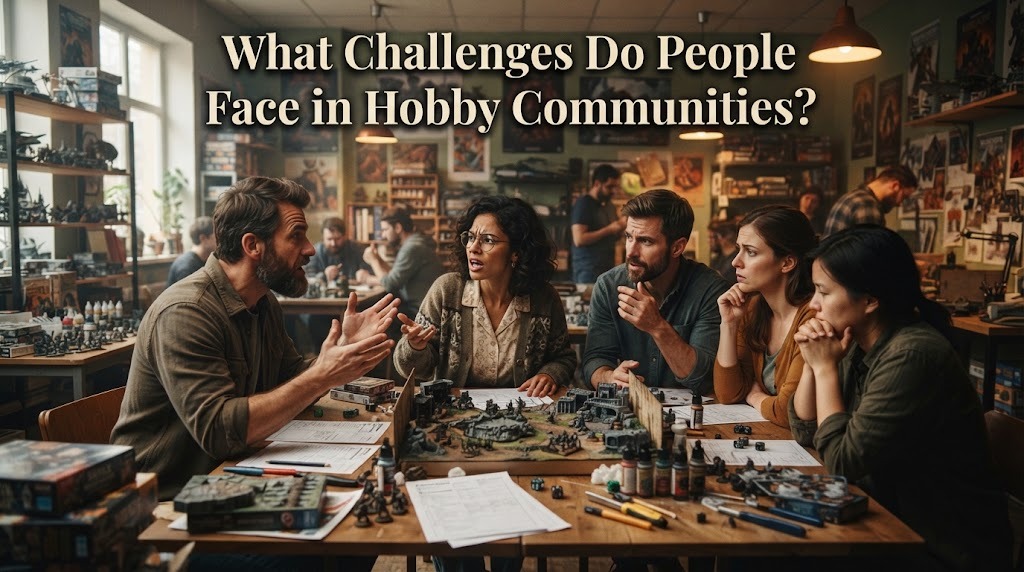
Hobby communities bring together people who share similar interests, such as photography, gaming, cooking, sports, music, reading, or creative activities. These communities can provide opportunities to learn, make friends, and exchange ideas. However, being part of a hobby community is not always easy. Members may experience differences in opinions, communication problems, competition, or difficulties in maintaining active participation.
Understanding these challenges can help members build healthier and more supportive hobby communities. With good communication, respect, and clear expectations, many common problems can be managed effectively.
DIFFERENCES IN PERSONALITIES AND OPINIONS
One common challenge in hobby communities is the difference in personalities and opinions among members. People may have different backgrounds, experiences, communication styles, and ways of approaching the same hobby. These differences can sometimes lead to misunderstandings, especially when members strongly defend their own ideas. For example, members in a photography community may disagree about editing styles, equipment, or creative techniques.
Differences do not always have to become conflicts. Members can learn to respect different perspectives and focus on sharing knowledge rather than proving who is right. Open discussions can also help people understand why others have different preferences. A community becomes stronger when members can express their opinions without making others feel uncomfortable.
COMMUNICATION PROBLEMS
Communication is another important challenge in hobby communities. Misunderstandings can happen when messages are unclear, especially in online groups where members cannot see facial expressions or hear someone's tone of voice. A simple comment can sometimes be interpreted differently from what the writer intended. Poor communication may eventually make members feel ignored, uncomfortable, or unwilling to participate.
To reduce these problems, members should communicate clearly and respectfully. Community administrators can also establish simple rules about discussions, criticism, and appropriate behavior. When disagreements occur, members should discuss the issue calmly instead of immediately blaming one another. Good communication helps create a more comfortable environment for both new and experienced members.
COMPETITION BETWEEN MEMBERS
Healthy competition can motivate members to improve their skills, but excessive competition can create problems. Some people may become too focused on being the most skilled, receiving the most attention, or producing better results than others. This situation can make beginners feel inferior or afraid to participate. Competition can also reduce the sense of cooperation that should exist within a hobby community.
A healthy community should encourage improvement without creating unnecessary pressure. Experienced members can support beginners by sharing advice and constructive feedback. Community activities can also focus on collaboration, such as group projects, workshops, or shared challenges. In this way, competition can remain positive while members continue to learn from each other.
DIFFERENT LEVELS OF EXPERIENCE
Hobby communities usually include people with different levels of experience. Some members may have practiced their hobby for years, while others may have just started learning. This difference can sometimes make beginners feel left behind when discussions use advanced terms or techniques. Experienced members may also become frustrated if basic questions are asked repeatedly.
The solution is to create an environment where people at different skill levels can participate. Beginner-friendly explanations can make new members feel more comfortable asking questions. Experienced members can share their knowledge without making beginners feel embarrassed about their lack of experience. When knowledge is shared openly, both new and experienced members can benefit.
INACTIVE MEMBER PARTICIPATION
Maintaining active participation can also be difficult for hobby communities. Members may become busy with school, work, family responsibilities, or other activities. As a result, online groups may become quiet and community events may receive fewer participants. If inactivity continues for a long time, members may lose interest in the community.
Organizers can encourage participation by creating activities that are simple, interesting, and relevant to members' interests. Regular discussions, small challenges, workshops, and collaborative projects can provide reasons for members to stay involved. However, participation should not become an obligation. Giving members flexibility can help them remain connected without feeling pressured.
CONFLICTS WITHIN THE COMMUNITY
Conflicts can occur when members have different expectations or misunderstand one another. Arguments may involve leadership, community rules, event planning, personal behavior, or differences in opinions. If conflicts are ignored, they can affect the atmosphere of the entire community. In serious cases, members may decide to leave because they no longer feel comfortable participating.
Community leaders can help by listening to different sides and encouraging respectful discussion. Rules should be applied consistently so that members understand what behavior is acceptable. Personal attacks should be avoided, and disagreements should focus on the issue rather than the individual. A fair approach can help prevent small disagreements from becoming larger problems.
DIFFERENT EXPECTATIONS FROM MEMBERS
Every member may join a hobby community for a different reason. Some people want to improve their skills, while others mainly want to socialize, find inspiration, or simply enjoy their hobby. Problems can occur when members expect the community to provide something different from what others want. For example, some members may prefer serious discussions while others prefer casual conversations and social activities.
Setting clear expectations can help prevent this situation. Community organizers can explain the purpose, activities, and basic rules of the group. Members should also understand that not every activity will match their personal preferences. Respecting different reasons for joining can make the community more inclusive and enjoyable.
CONCLUSION
Hobby communities can provide valuable opportunities for learning, friendship, creativity, and personal development, but they also face several challenges. Differences in personality, communication problems, competition, varying experience levels, inactivity, conflicts, and different expectations can affect the community experience. These challenges can be managed through respectful communication, clear rules, cooperation, and mutual support. When members understand and respect each other, a hobby community can become a positive place where people feel comfortable learning and sharing their interests.
Tentang Penulis
Gusti Ayu Tita P
Penulis — Universitas STEKOM
Penulis aktif yang berfokus pada isu-isu akademik, teknologi pendidikan, dan pengembangan sumber daya manusia di lingkungan kampus.