What Challenges Do Senior Employees Face in the Modern Workplace?
Gusti Ayu Tita P
25 September 2026
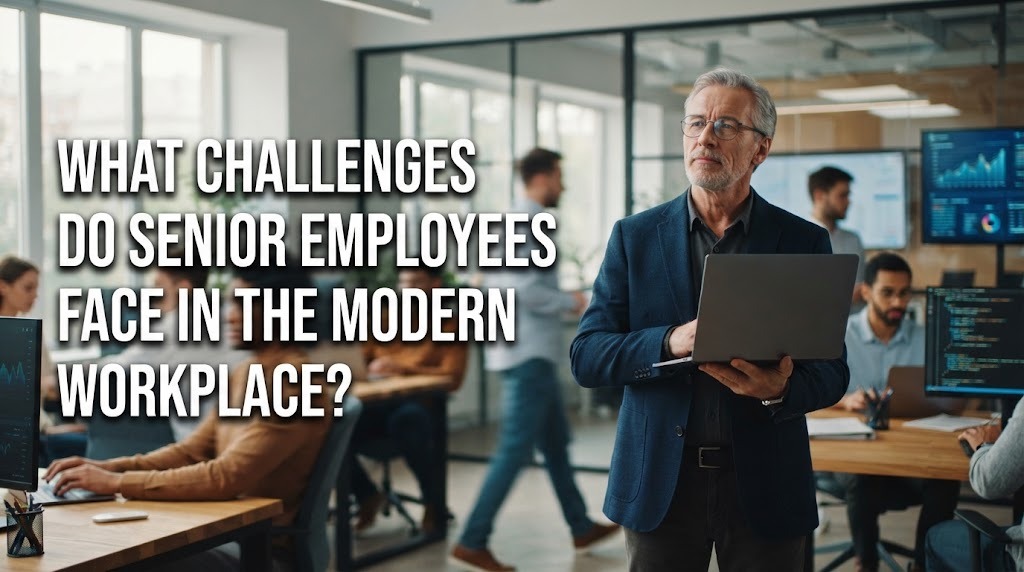
The modern workplace is changing quickly because of technology, new working systems, changing business needs, and different employee expectations. These changes create opportunities for companies, but they can also create challenges for senior employees who have spent many years working with established methods. Their professional experience remains valuable, but they may need to develop new skills to stay effective. Understanding these challenges can help senior workers and companies create a workplace that supports adaptation, learning, and collaboration.
ADAPTING TO RAPID TECHNOLOGICAL DEVELOPMENT
One of the biggest challenges faced by senior employees is adapting to rapid technological development. Companies increasingly use digital platforms, artificial intelligence, cloud applications, automation, and online communication tools. Employees who began their careers before these technologies became common may need additional time and training to understand new systems. Digital skills are now important for many jobs, regardless of an employee's age or level of experience.
However, difficulty learning new technology does not mean that experienced employees lack professional ability. Senior workers often have strong knowledge of business processes and can understand how technology affects daily operations. Companies can support them through digital training, practical workshops, and hands-on learning. Combining professional experience with modern technology can help senior employees remain productive and confident.
WORKING WITH DIFFERENT GENERATIONS
Another challenge is working with colleagues from different generations. A modern company may have senior employees working alongside younger professionals with different communication styles, expectations, and approaches to work. Younger workers may prefer fast digital communication, while experienced employees may be more familiar with direct discussions or traditional workplace procedures. These differences can sometimes create misunderstandings.
The solution is not to separate employees based on age but to encourage intergenerational collaboration. Senior workers can share professional experience, while younger employees can introduce new ideas and digital approaches. Both sides can learn from each other when communication is based on respect. A workplace that encourages knowledge sharing and teamwork can turn generational differences into opportunities for learning.
KEEPING UP WITH NEW WORKING METHODS
Modern companies increasingly use remote work, hybrid work, flexible schedules, digital meetings, and project-based teams. These systems may feel unfamiliar to senior employees who developed their careers in traditional office environments. Adjusting to these methods can require changes in communication, time management, and daily routines. Workplace flexibility can therefore become both an opportunity and a challenge.
Senior employees can gradually become comfortable with new systems by learning the basic tools and understanding how their teams communicate. Companies should provide clear instructions and sufficient training instead of expecting employees to immediately understand every new process. Regular practice can make unfamiliar systems easier to use. With adaptability and proper support, senior workers can successfully participate in modern working arrangements.
MAINTAINING RELEVANT PROFESSIONAL SKILLS
Industries continue to change because of new technologies, regulations, customer expectations, and business models. Skills that were highly useful in the past may need to be updated to meet current requirements. For senior employees, this creates the need for continuous learning throughout their careers. Experience remains valuable, but it becomes stronger when combined with current industry knowledge.
Senior employees can participate in professional training, seminars, online courses, certifications, and workplace development programs. They can also learn from younger colleagues who may have experience with newer tools and technologies. Upskilling and reskilling can help experienced workers maintain relevant abilities while preparing for new responsibilities. Continuous learning also demonstrates that professional development does not stop after many years of employment.
DEALING WITH CHANGING CAREER EXPECTATIONS
Career expectations have also changed significantly. Employees today may be expected to handle cross-functional projects, learn new technologies, work flexibly, or take on responsibilities outside their traditional roles. Senior employees may need to adjust their understanding of career development as a result. Career growth does not always mean receiving a higher position.
Experienced employees can continue developing through leadership, mentoring, specialization, and knowledge sharing. They can become valuable sources of organizational knowledge while also learning new skills. Companies can support this process by offering clear career development opportunities for employees at different stages. This allows senior workers to continue contributing without assuming that professional growth has only one direction.
MANAGING WORKPLACE CHANGE AND PRESSURE
Organizational change can create pressure for employees, especially when companies introduce several changes at the same time. New management systems, restructuring, automation, or changes in business strategy may require employees to adjust quickly. Senior workers may need to modify routines that they have followed for many years. Change management is therefore an important part of adapting to the modern workplace.
Senior employees can manage these changes by asking questions, learning the reasons behind new policies, and focusing on the areas that directly affect their responsibilities. Managers also have an important role in providing clear information and realistic training. Employees should have opportunities to express concerns without being discouraged from learning new methods. Open communication and supportive leadership can make workplace changes easier to manage.
MAINTAINING CONFIDENCE AND PROFESSIONAL VALUE
Another challenge is maintaining confidence when workplace expectations change. Senior employees may sometimes feel uncertain when younger colleagues have stronger familiarity with new technologies or emerging work practices. However, professional experience remains a valuable asset that technology cannot completely replace. Knowledge about customers, business processes, workplace relationships, and past challenges can provide important context.
Senior employees can strengthen their position by combining experience with new skills. They do not need to compete with younger workers in every area; instead, they can contribute their unique knowledge while remaining open to learning. Companies can also recognize the value of experienced employees through mentoring opportunities and meaningful responsibilities. Experience and innovation can work together to create a stronger workforce.
CONCLUSION
Senior employees face several challenges in the modern workplace, including technological change, generational differences, new working methods, changing skill requirements, and evolving career expectations. These challenges can be addressed through continuous learning, digital training, effective communication, and workplace support. At the same time, senior employees bring valuable experience that can benefit younger workers and organizations.
The modern workplace does not require senior employees to abandon everything they have learned throughout their careers. Instead, successful adaptation involves combining professional experience with digital skills, flexibility, continuous learning, and collaboration. When companies provide appropriate support and employees remain willing to develop, senior workers can continue making valuable contributions in a changing professional environment.
Tentang Penulis
Gusti Ayu Tita P
Penulis — Universitas STEKOM
Penulis aktif yang berfokus pada isu-isu akademik, teknologi pendidikan, dan pengembangan sumber daya manusia di lingkungan kampus.